Guna Yala (San Blas): Baba, Nana and the great teacher Ibeorgun
On 365 islands of the Panamanian Caribbean, the Guna say the earth was made by a father and a mother, and that a teacher came down to show them how to live.
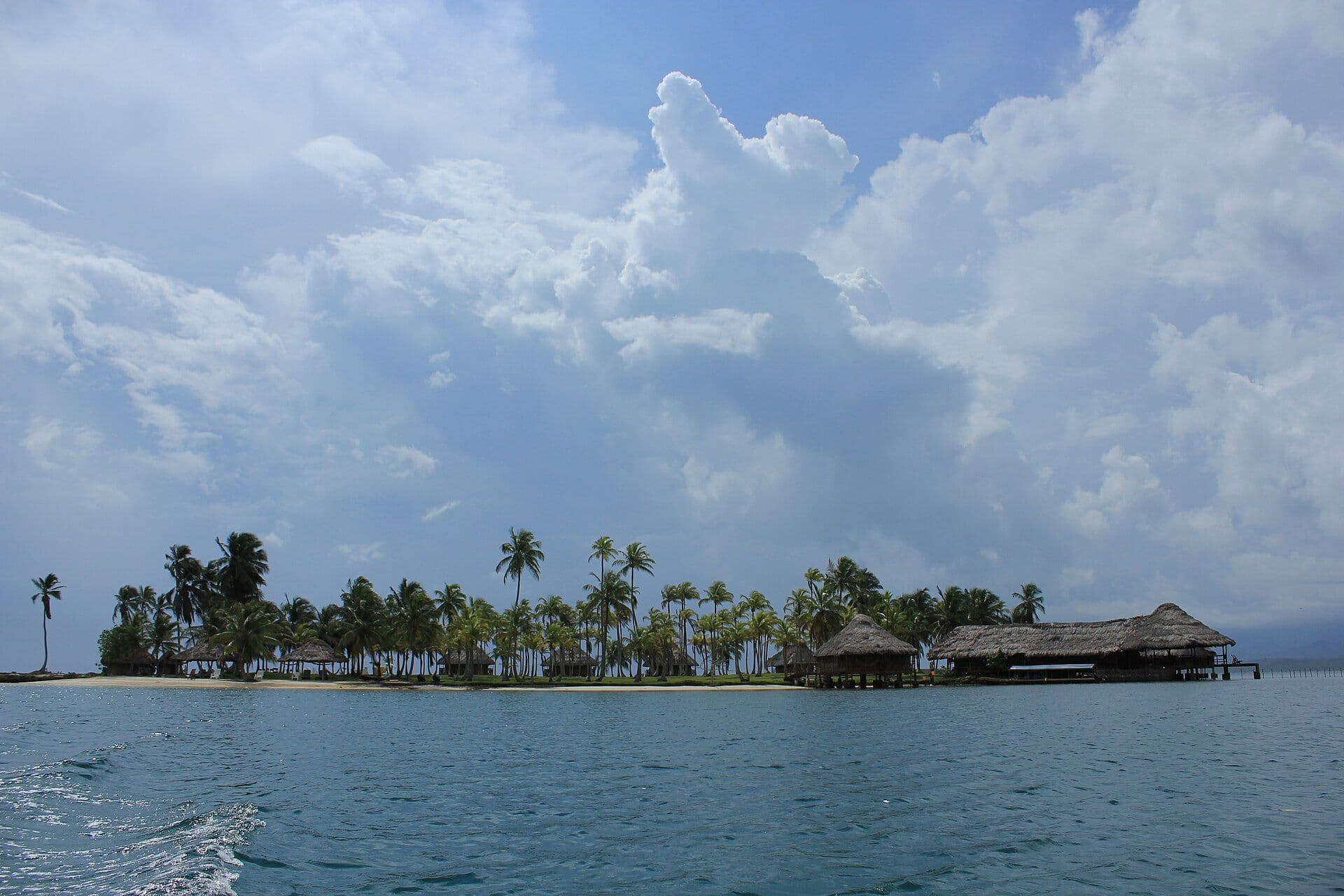
Guna Yala (formerly San Blas) is an autonomous Indigenous territory on Panama’s Caribbean coast, with hundreds of white-sand islands. The Guna govern it through their own congress, and they are known for their molas, textiles made of layers of colour. Their sacred history is sung in the congress house.
The creation
In the beginning, Baba (the Father) and Nana (the Mother) created the earth together, which the Guna call Nabgwana, Mother Earth. The rivers, trees, animals and stones are part of her body and must be respected.
The first humans knew how to cook, build and live, but they did not do it well: they forgot the rules and abused the earth. So Baba and Nana sent a great teacher, Ibeorgun, with his sister Gigadyriai and his younger brother Wigudun. Ibeorgun taught the Guna their history, their chants, the rules of the community, how to build their houses and how to organise the congress. His sister taught the women weaving and the arts. That is why he is regarded as the founder of Guna culture.
After Ibeorgun came the nele (seers and sages), who keep the tradition alive. The stories vary from community to community, and they are passed on in chants by the saila (chiefs) in the congress.
Recent history
In 1925 the Guna rose in the Dule Revolution against repression by the Panamanian government; their autonomy was born from it.
The comarca was formally recognised in 1938 and its current statute dates from 1953 (with later changes). In 2010 its official name became Guna Yala.
Some islands face rising sea levels; in 2024 the community of Gardi Sugdub was moved to the mainland.
Plan your visit
Practical notes for travelling there. Conditions, schedules and prices change: check before you go.
Good to know
- Access by road from Panama City to the port of Cartí, then by boat.
- Stay in Guna cabins. The comarca charges entry fees. Ask permission before photographing people.
Related stories
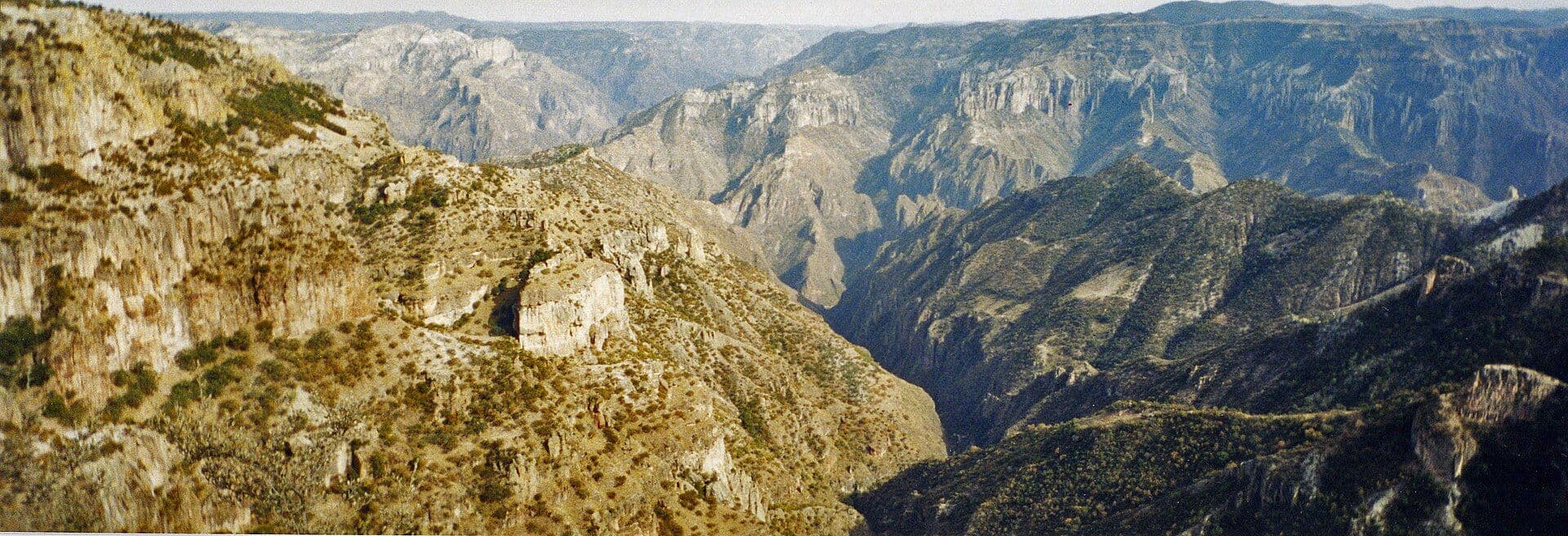
Peoples & Communities·Mexico
Copper Canyon: how Onorúame created the Rarámuri
In Mexico’s deepest canyons live the “light-footed” people. Their god made them from clay.
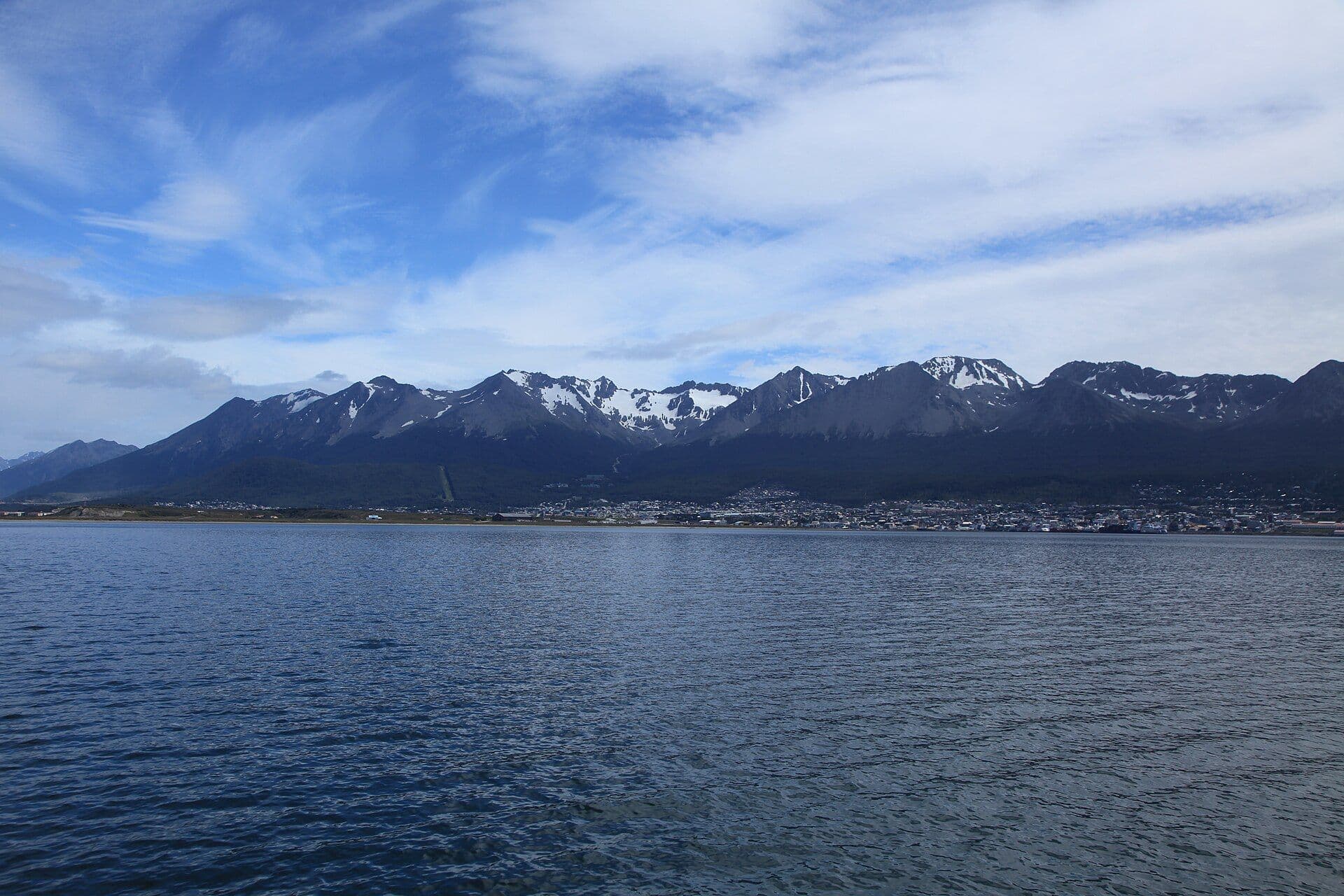
Peoples & Communities·Argentina
Tierra del Fuego: the Hain, the secret of the Selk’nam
At the end of the world, Selk’nam men painted their bodies and became spirits. It all began, they said, with a lie told by the women and a fight between the Sun and the Moon.
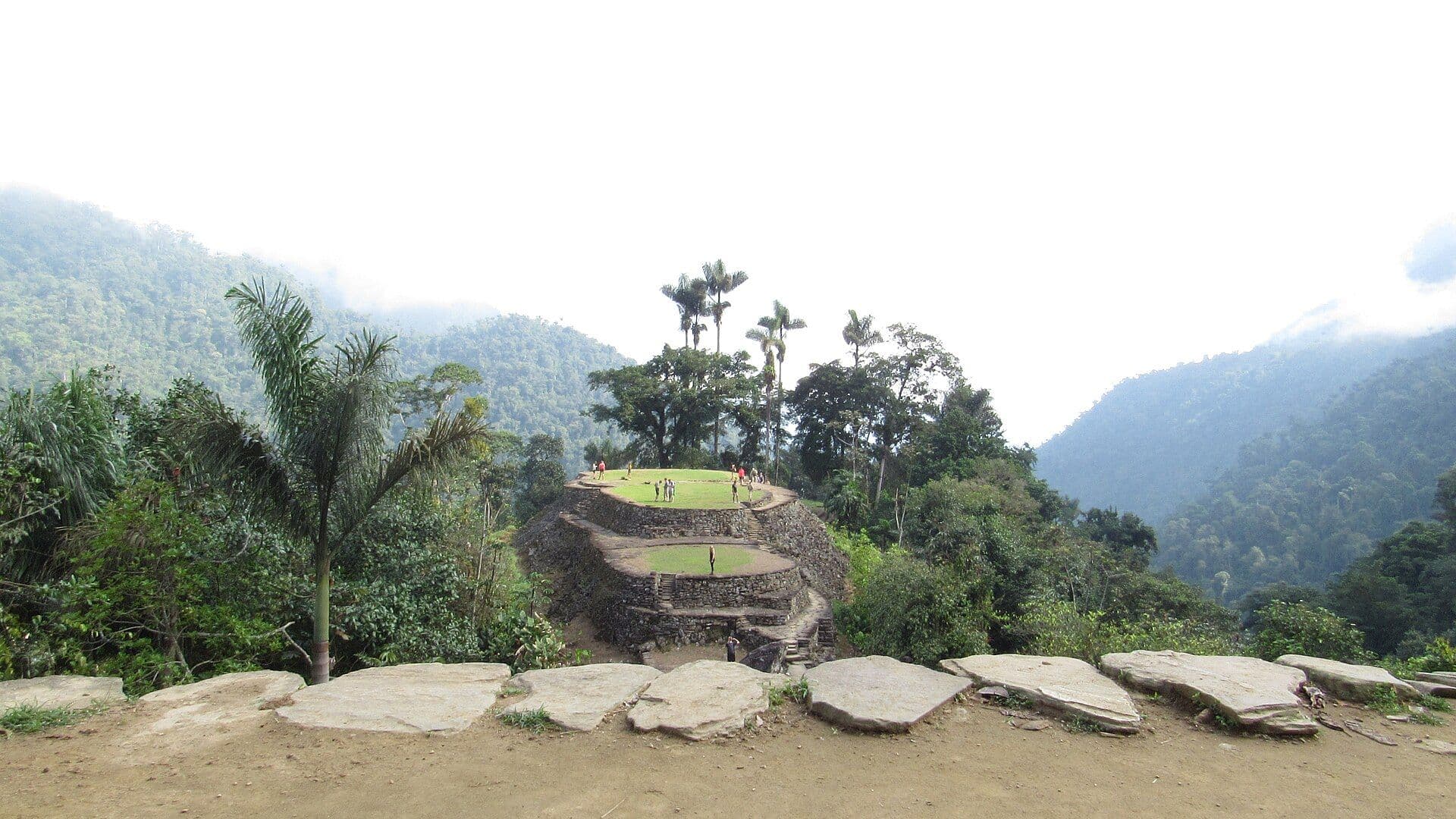
Peoples & Communities·Colombia
Sierra Nevada de Santa Marta: the Kogi Heart of the World
For the peoples who live on it, this mountain beside the Caribbean is the heart of the planet. In 1990 they came down to warn us that it was falling ill.