Peoples & Communities·Argentina
Tierra del Fuego: the Hain, the secret of the Selk’nam
At the end of the world, Selk’nam men painted their bodies and became spirits. It all began, they said, with a lie told by the women and a fight between the Sun and the Moon.
The photographs of the Selk’nam (also called Ona), painted white, red and black and wearing conical masks, have become famous around the world. They were taken by the priest and ethnologist Martin Gusinde in 1923, during the last great Hain ceremony. Behind those images lies a myth.
The myth of the Sun and the Moon
In ancient times, women ruled. Led by Kreeh, the Moon, a powerful shaman, they gathered in a great ceremonial hut. There they disguised themselves as spirits, painting their bodies and covering their faces, and came out to frighten the men, who believed they were real spirits and obeyed.
One day the men discovered the deception. Krren, the Sun, husband of the Moon, led a revolt: the men killed the women and kept the secret for themselves. Kreeh escaped to the sky; Krren pursued her, and has followed her ever since without catching her. The Moon still bears the marks of the blows on her face, which is why women feared eclipses.
Since then, in the Hain ceremony, it is the men who dress as spirits — such as Shoort, the most feared, or Xalpen, the monstrous woman from beneath the earth — and the women must not learn the secret.
The ceremony
The Hain was both an initiation rite for young men (klóketen) and a great theatrical performance that could last for months.
Gusinde took part in the Hain of 1923, which lasted about 50 days, and devoted some 300 pages to it in Die Feuerland-Indianer: Die Selk’nam (1931).
The anthropologist Anne Chapman worked with Lola Kiepja, regarded as the last Selk’nam shaman, and wrote Hain and Drama and Power in a Hunting Society.
Plan your visit
Practical notes for travelling there. Conditions, schedules and prices change: check before you go.
Good to know
- Ushuaia (Argentina): the End of the World Museum and the Maritime Museum; Tierra del Fuego National Park; boat trips on the Beagle Channel.
- Punta Arenas and Porvenir (Chile): the Regional Museum of Magallanes.
- Río Grande (Argentina): the Fueguino Museum.
Related stories

Nature & Geography·Argentina
Patagonia: Elal, the hero who arrived at El Chaltén on a swan
The Tehuelche say their creator hero crossed the sea on a swan and landed on the summit of Fitz Roy. From there he spread life across Patagonia.
Culture & Traditions·Argentina
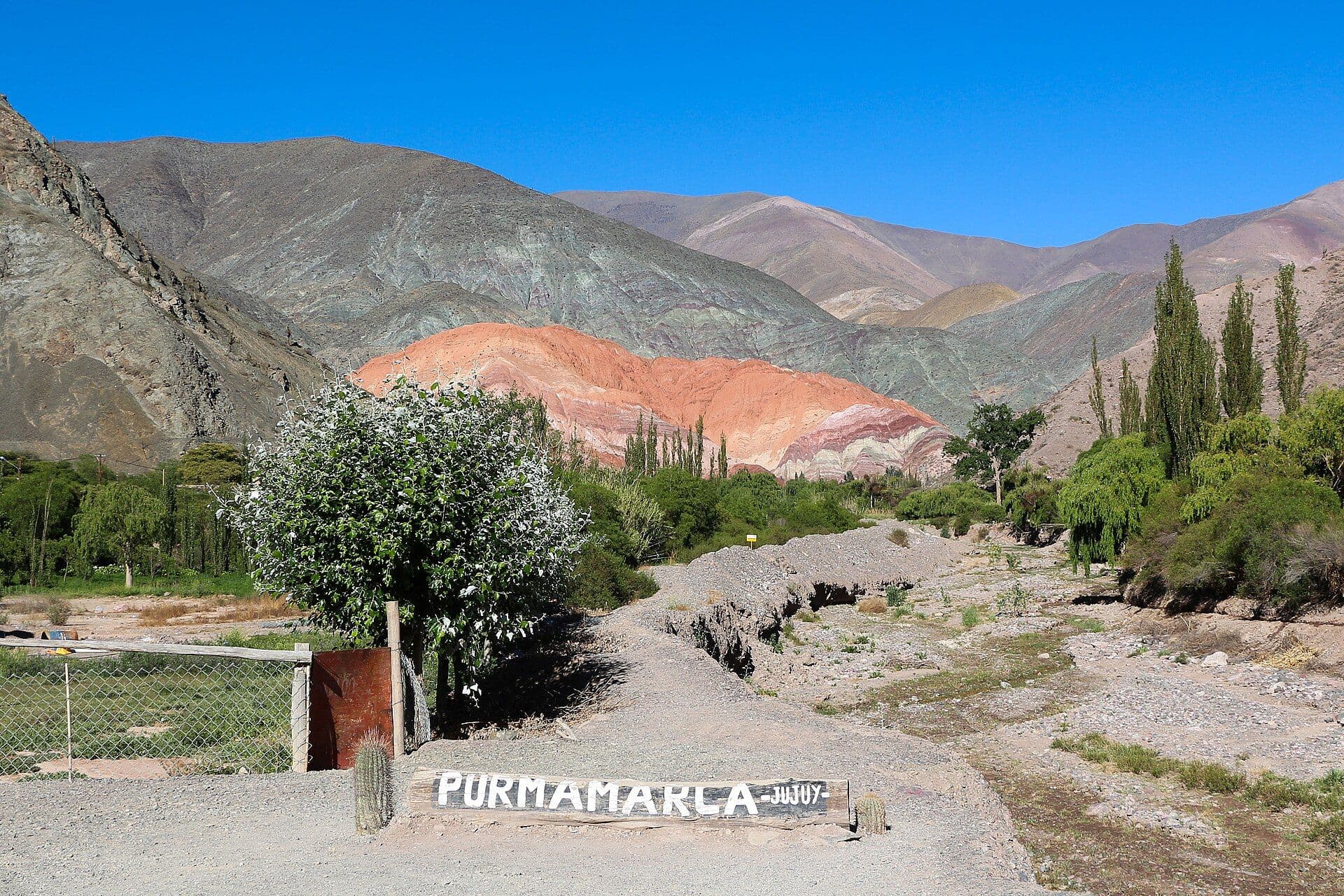
Quebrada de Humahuaca: feeding the Pachamama
Every 1 August, in northern Argentina, a hole is opened in the ground to feed Mother Earth. It is a living rite.
Legends & Folklore·Argentina
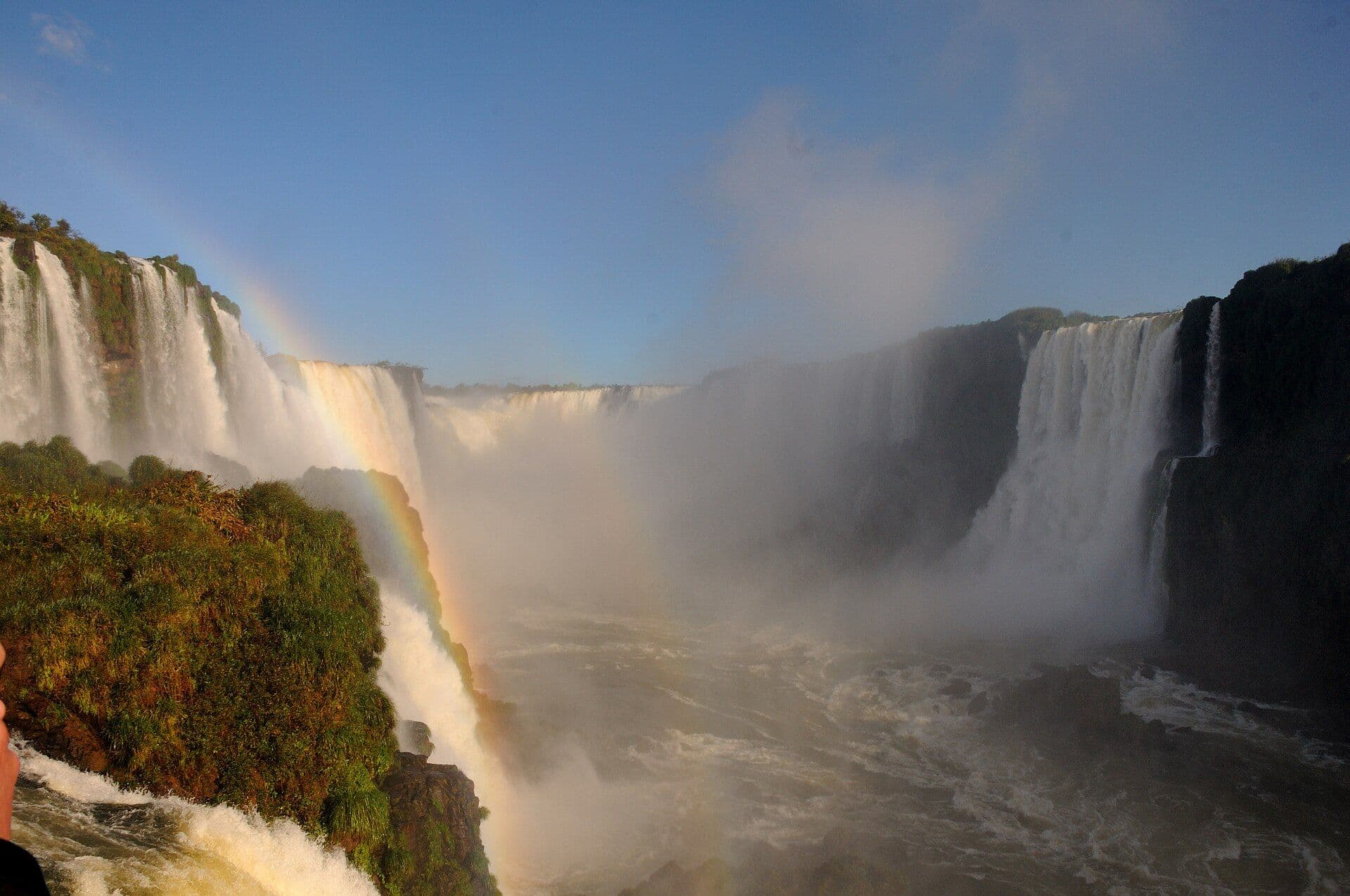
Iguazú Falls: the legend of Naipí and Tarobá
A serpent god tore the earth open to keep two lovers apart. The oldest written version of the story was told beside the falls in 1901.