Machu Picchu was never lost
The Inca estate on the mountain became famous in 1911. The farmers who led the expedition there had known it all along.
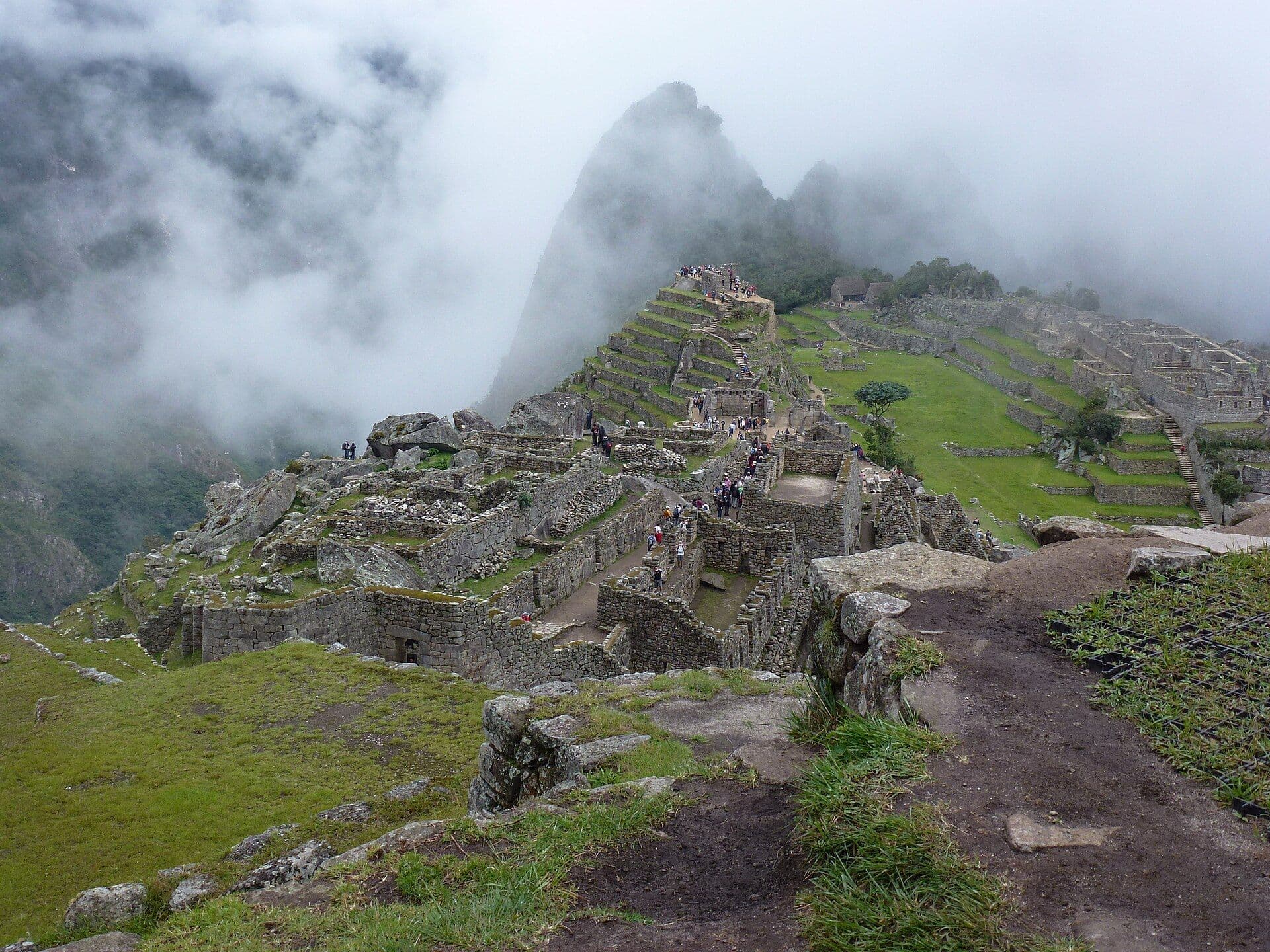
Clouds rise from the Urubamba valley, open for a moment and reveal terraces, stairways and stone houses balanced on a ridge between two peaks. Machu Picchu is the most famous image of Peru and one of the most recognisable places on Earth. Its usual story begins with an explorer; the real one begins long before.
An emperor’s estate
Machu Picchu was built in the fifteenth century, at the height of Inca power. Most archaeologists consider it a royal estate associated with the ruler Pachacuti, the emperor who transformed the Inca state into an empire. Documents from the colonial period mention lands belonging to Pachacuti’s lineage in this area, which supports the idea, although the exact identification is still discussed.
An estate of this kind was not a city in the modern sense. It was a place of residence, ritual and rest for the ruler and his household, maintained by a permanent staff of servants and specialists.
Stone that fits without mortar
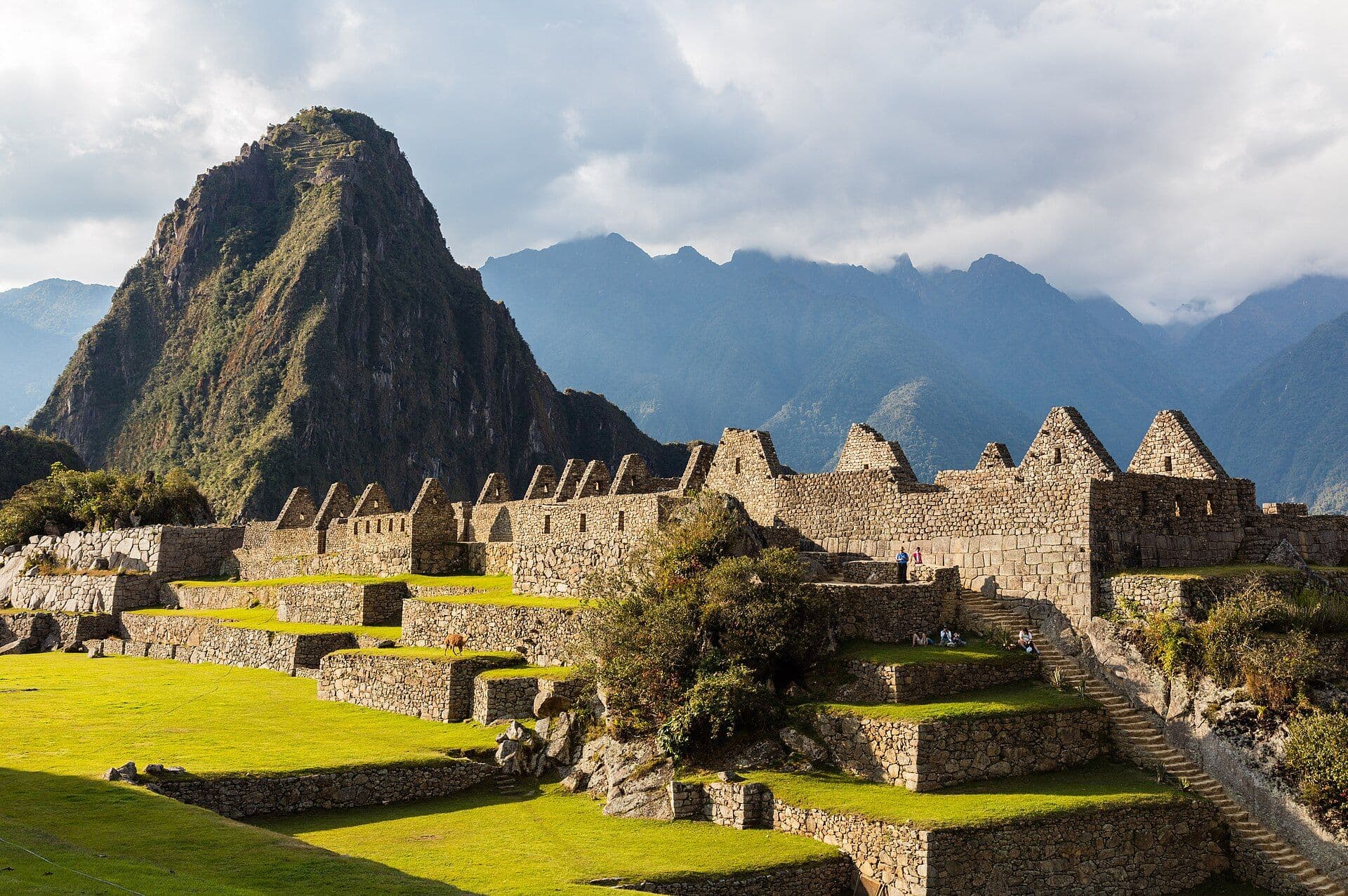
Inca builders shaped granite blocks so that they fit tightly without mortar, especially in the most important buildings, such as the Temple of the Sun and the so-called Temple of the Three Windows. Less important buildings used rougher stone. The terraces, staircases and drainage channels were designed to manage the heavy rain of the eastern slope of the Andes, and they still do.
The carved rock known as the Intihuatana is one of the few such stones the Spanish did not destroy, because they never reached Machu Picchu.
1911: a famous arrival
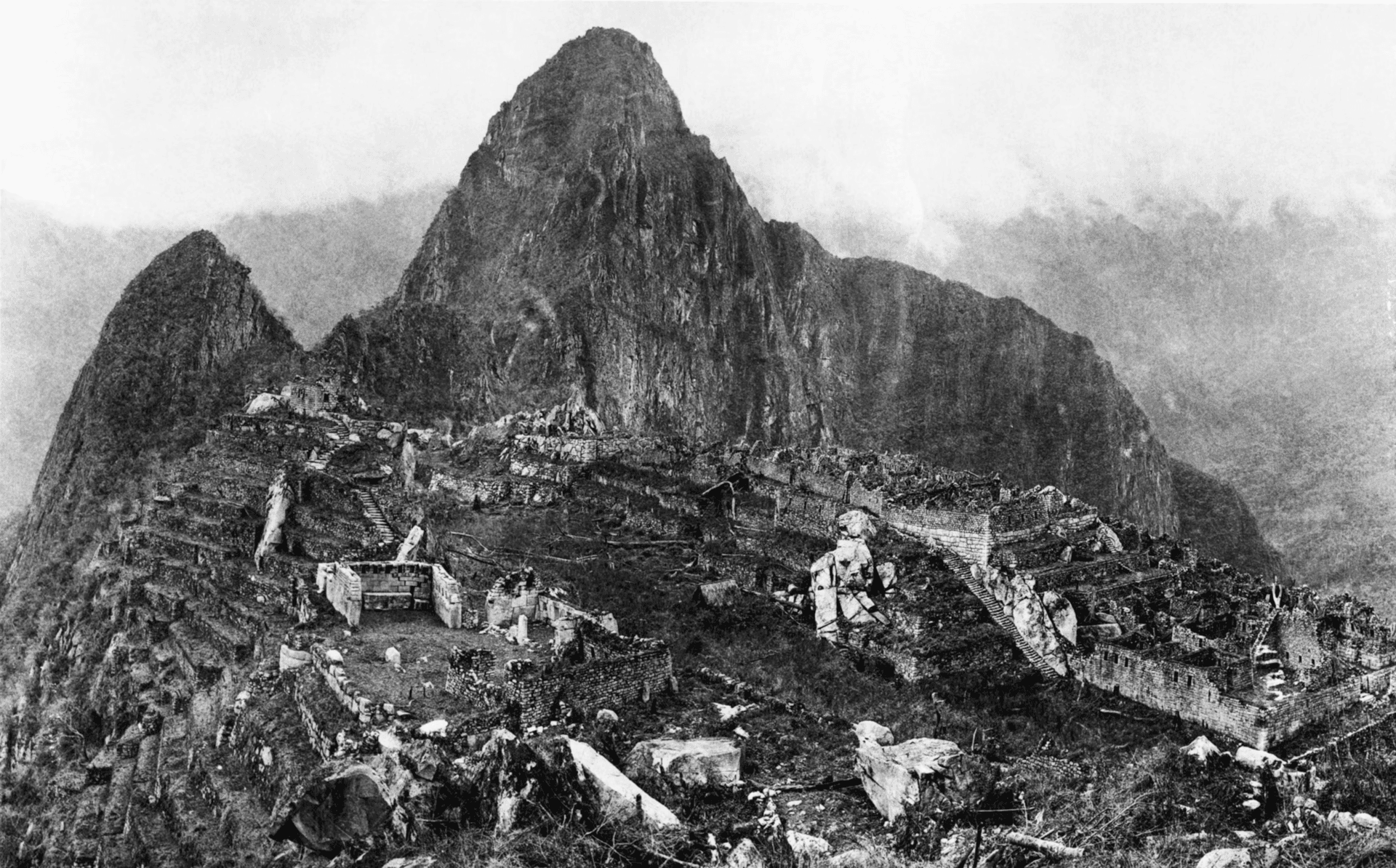
In July 1911 the American academic Hiram Bingham reached the ruins guided by Melchor Arteaga, a farmer of the valley. Families were living and farming on the old terraces at the time. Bingham’s photographs, published in National Geographic in 1913, made the site internationally famous.
Bingham believed he had found Vilcabamba, the last refuge of the Incas. He was wrong: Vilcabamba was elsewhere. Objects excavated by his expeditions were taken to Yale University, and after a long dispute they were returned to Peru starting in 2011.
A legacy under pressure
Today Machu Picchu receives so many visitors that Peru controls access with timed tickets and fixed circuits. Balancing protection and tourism is a permanent challenge for the sanctuary and for the town of Aguas Calientes below it.
The origin of Cusco: the children of the Sun
Machu Picchu has no documented origin legend of its own; it belonged to Cusco, the sacred capital, and Cusco does. The Inca Garcilaso de la Vega, son of an Inca princess, wrote down in 1609 what his mother’s relatives had told him. People lived like wild animals, without houses or crops. The Sun, taking pity on them, sent his children Manco Cápac and Mama Ocllo to Lake Titicaca and gave them a golden rod: where it sank into the ground at a single stroke, there they were to found their city.
They walked north, testing the earth. In the valley of Cusco, on the hill of Huanacauri, the rod sank completely. Manco Cápac taught the men to farm and build; Mama Ocllo taught the women to spin and weave. So Cusco was born, the “navel of the world”.
Another version: the Ayar brothers
Pedro Cieza de León (c. 1553) recorded a different story: from a cave at Pacaritambo (Tampu Tocco) came four brothers and four sisters, the Ayar. One by one the brothers were shut in a cave or turned to stone, until only Manco Cápac reached the valley of Cusco and founded the city. One of them, turned to stone on Huanacauri, became one of the most sacred shrines of the empire.
Plan your visit
Practical notes for travelling there. Conditions, schedules and prices change: check before you go.
- Base town
- Cusco · Aguas Calientes
- Best time to go
- The dry season, roughly April to October, is the most popular. The Inca Trail closes every February for maintenance.
- Getting there
- Trains run from Cusco and Ollantaytambo to Aguas Calientes, at the foot of the mountain; buses climb from there to the entrance. The alternative is the Inca Trail, which requires a permit booked through an authorised agency, often months ahead.
Good to know
- Entry tickets are sold by time slot and circuit, and sell out: buy them in advance.
- Bring your passport: it is checked at the entrance.
- Spend a couple of days in Cusco first to acclimatise.
Related stories
Nature & Geography·Peru
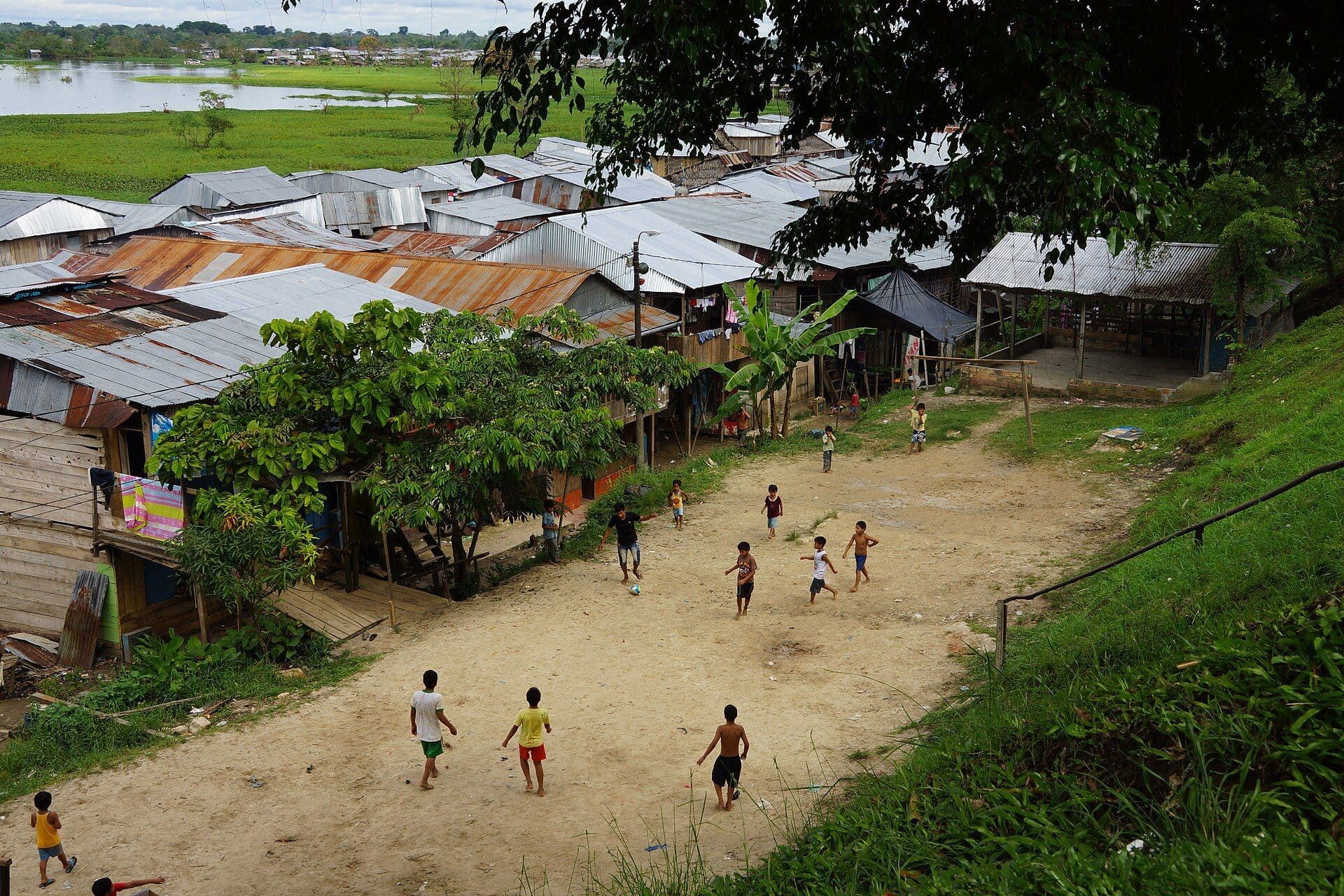
Iquitos: the Yacuruna and the Chullachaqui, owners of the river and the forest
Beneath the Amazon there are cities of water people. And in the forest, someone with your father’s face invites you to follow him. Look at his feet.
Extraordinary Places·Peru
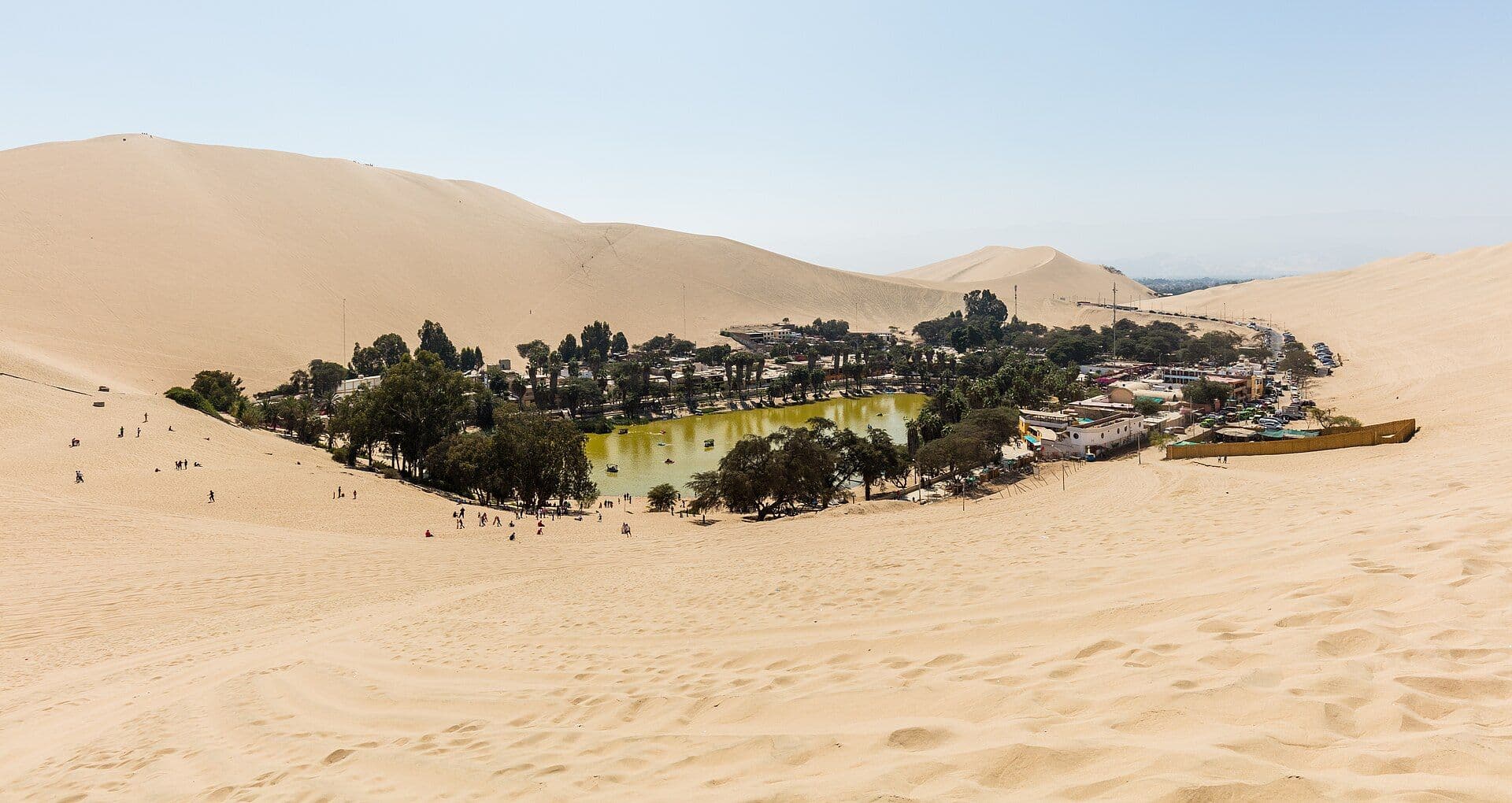
Huacachina: the princess who became a mermaid in the desert
Among the dunes of Ica lies a green lagoon. People say it was formed by the tears — or the broken mirror — of a princess.
Nature & Geography·Peru
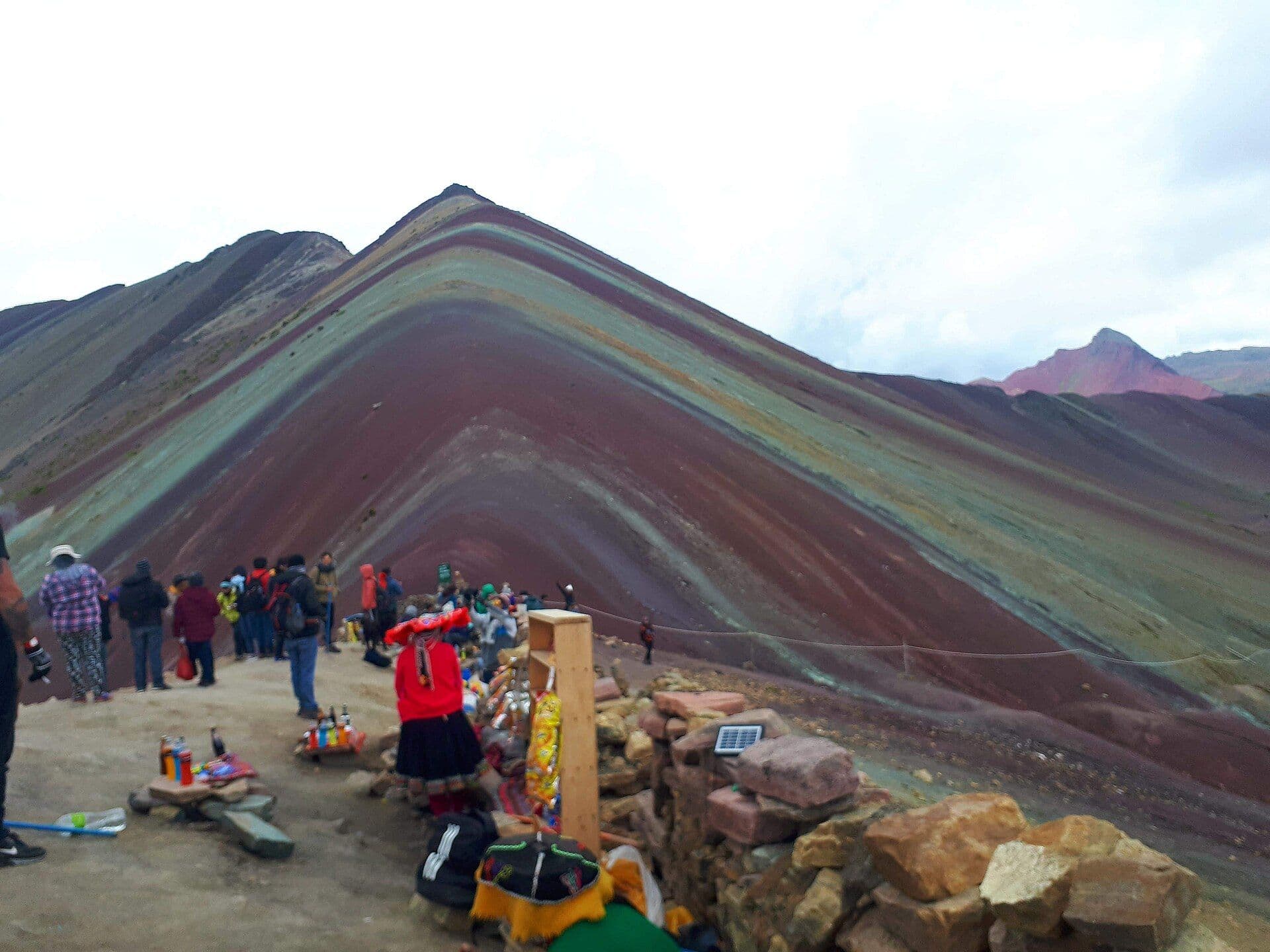
Rainbow Mountain and Ausangate: the apu who gives the water
Thousands of tourists climb to see the rainbow mountain. A few kilometres away, every year, 90,000 pilgrims climb to a glacier to honour the mountains.