La Paz and the Ekeko: a city that buys its dreams in miniature
Every January the highest seat of government in the world fills with tiny houses, cars and banknotes, blessed in the name of a little god of abundance.

La Paz pours down a canyon from the edge of the Altiplano, its houses climbing the slopes towards El Alto and the snowy peak of Illimani. Every year on 24 January the city opens the Alasitas fair, and for a few weeks its streets belong to the Ekeko, a small moustached figure who carries on his back everything a household could wish for.
A city in a canyon
La Paz was founded by the Spanish in 1548 in the valley of the Choqueyapu river, sheltered from the wind of the high plateau. Today it forms a single urban area with El Alto, the city that grew on the plateau above it. Its centre lies at around 3,600 metres, and the difference in altitude between the lowest and highest districts is more than a thousand metres.
Since 2014 the two cities have been linked by Mi Teleférico, a network of urban cable cars that is part of daily transport and one of the best ways to understand the geography of La Paz.
Alasitas: a fair of wishes
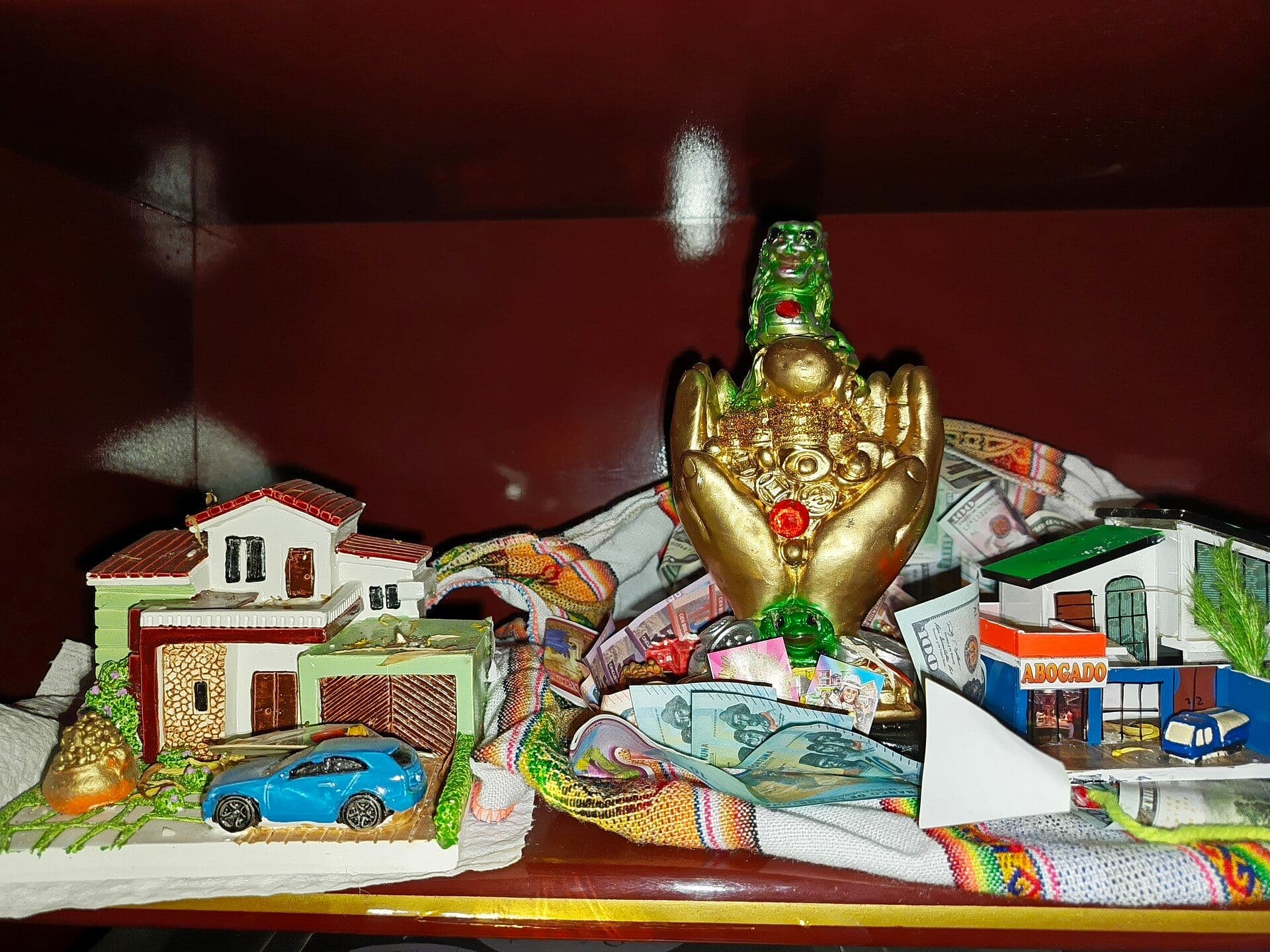
Each year on 24 January, the Alasitas fair opens in La Paz. Its name is usually explained as coming from the Aymara for “buy me”. Stalls sell miniatures of everything people hope to obtain during the year: houses, cars, diplomas, passports, food, tools and stacks of tiny banknotes, including miniature dollars and euros.
At midday, buyers have their miniatures blessed, often by a Catholic priest and by a yatiri, an Andean ritual specialist, who uses incense and alcohol. The miniatures are then kept at home, sometimes hung on the family Ekeko. In 2017 UNESCO inscribed the ritual journeys of Alasitas in La Paz on its list of Intangible Cultural Heritage.
How to keep an Ekeko happy
Owners of an Ekeko say he must be looked after. On Tuesdays and Fridays he is offered a lit cigarette in his mouth, and if the cigarette burns down evenly it is a good sign. He should not be left without gifts, and an Ekeko that is received as a present is said to bring more luck than one that is bought for oneself.
These customs vary between families, and they are treated with a mixture of faith and humour that is typical of how the Ekeko is lived in La Paz.
Where does the Ekeko come from?
Researchers see in the Ekeko the meeting of very old Andean practices with colonial and modern ones. Small stone figures associated with fertility and abundance, known as illas, have a long history in the Andes, and some scholars connect them with the Ekeko. His present appearance, with mestizo clothes and moustache, developed much later.
Popular accounts also link the figure to the siege of La Paz by the Aymara leader Túpac Katari in 1781, when, the story goes, an Ekeko helped a household survive the hunger of the siege. This is a tradition, and its details cannot be verified.
Plan your visit
Practical notes for travelling there. Conditions, schedules and prices change: check before you go.
- Base town
- La Paz (Bolivia)
- Best time to go
- The Alasitas fair opens on 24 January and runs for several weeks. For dry, sunny weather, come between May and October.
- Getting there
- La Paz is served by El Alto International Airport, on the plateau above the city. The Mi Teleférico cable-car network links El Alto with the centre and the southern districts and is the best way to see the city from above.
Good to know
- The city sits at about 3,600 m and El Alto at over 4,000 m: rest on arrival.
- Be at the fair at midday on 24 January for the blessing of the miniatures.
- The Mercado de las Brujas sells ritual items for offerings to the Pachamama.
Related stories
Extraordinary Places·Bolivia
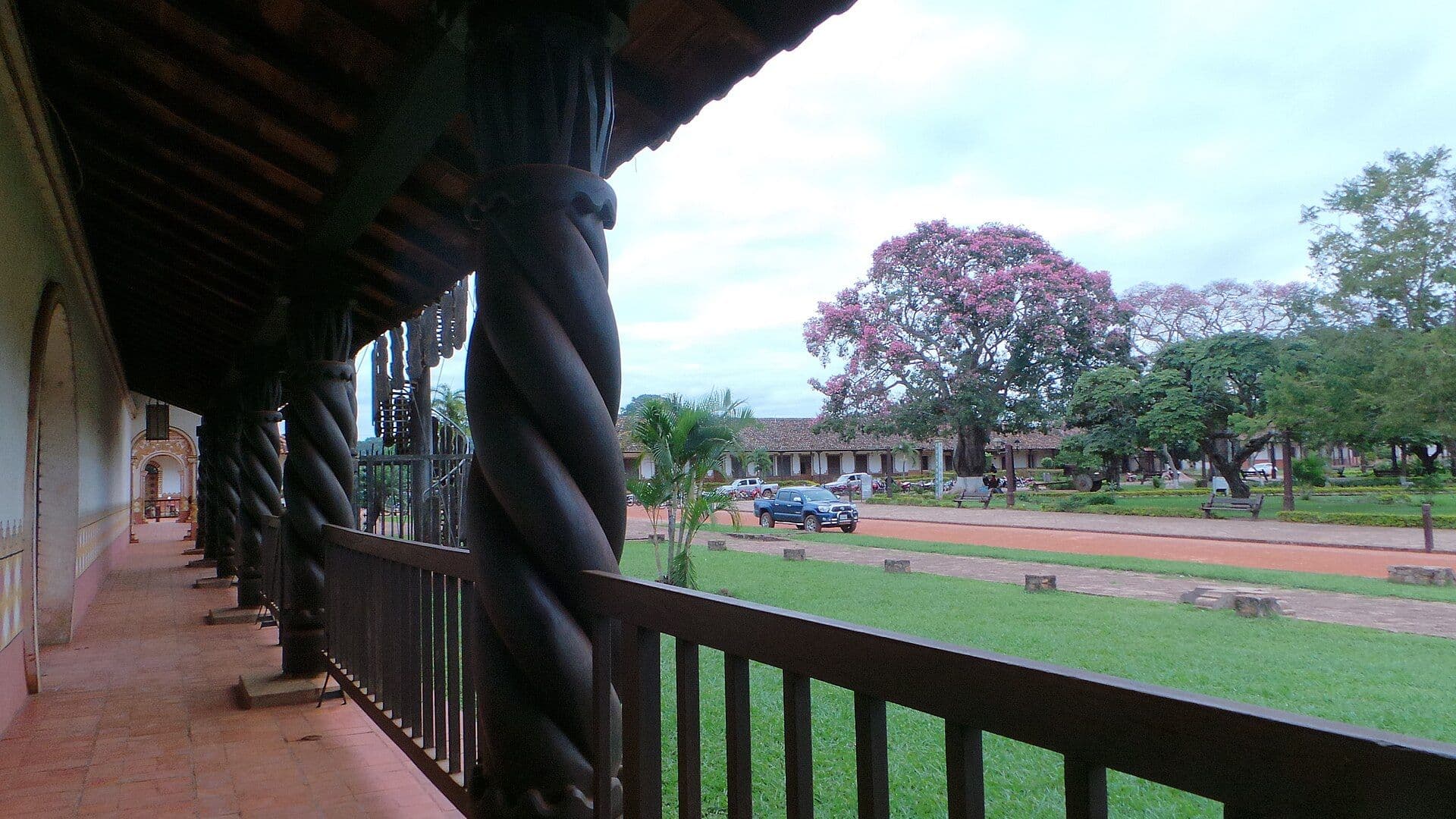
The toborochi: the tree that shelters a mother (Santa Cruz, Bolivia)
Its trunk swells like a belly. The Guaraní know who is hiding inside.
Legends & Folklore·Bolivia
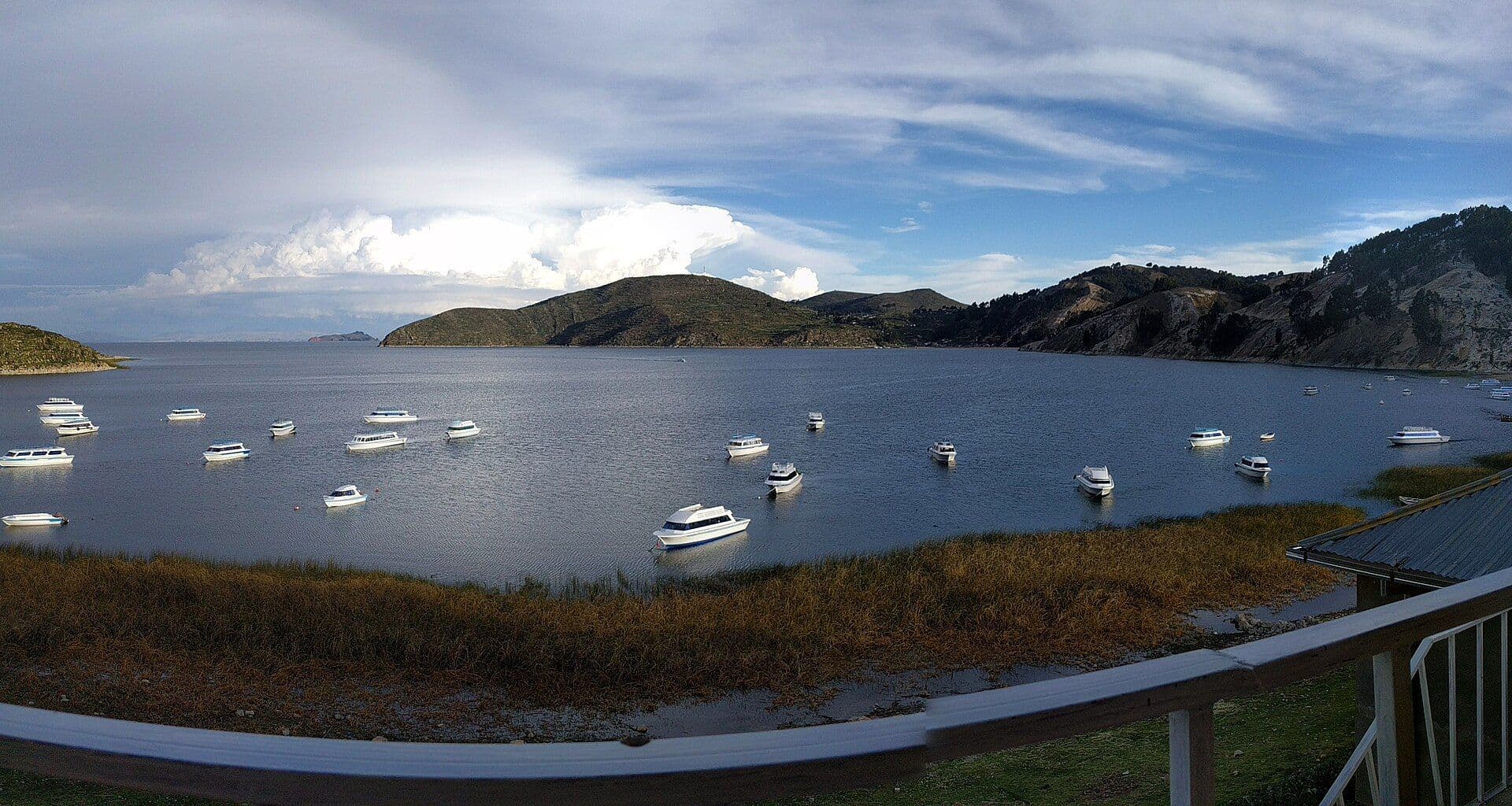
Lake Titicaca, where the Andean world began
For the Incas the sun and the first rulers rose from these waters. Archaeologists are still finding what earlier peoples left beneath them.

Nature & Geography·Bolivia
Salar de Uyuni: how an ancient lake became a desert of salt
The largest salt flat on Earth was once covered by enormous lakes. The Aymara tell a different story: the tears and milk of a mountain.