The Tule Tree: the tree planted by the priest of the wind
The widest trunk in the world grows in a village in Oaxaca. The Zapotecs say a priest of Ehecatl planted it 1,400 years ago.

In the churchyard of Santa María del Tule, about 12 km from the city of Oaxaca, stands a Montezuma cypress (*Taxodium mucronatum*, the ahuehuete) with a trunk more than 40 metres around: one of the widest in the world. It has two legends of origin.
The Zapotec version: Pechocha
The Zapotecs say the tree was planted about 1,400 years ago by Pechocha, a priest of Ehecatl, the god of the wind. Pechocha cared for it all his life, talking and singing to it so that it would grow strong. That a tree of the wind god still stands after so many storms is no accident, they say.
The version of King Condoy
Another legend tells of King Condoy, a lord of the Mixe region who ruled the mountain of Zempoaltépetl and is associated with the building of Mitla. Returning to his lands, he stopped to rest at this spot and drove his staff into the ground. The staff took root, and from it grew the Tule Tree.
What science says
Studies estimate its age at between 1,400 and 3,000 years (figures vary; many sources say about 2,000).
Because of its size it was thought to be several trees grown together, but DNA analysis showed it is a single individual.
The site was sacred before the Spanish arrived and built the church beside the tree. The tree has its own festival in the community calendar, on the second Monday of October.
The village’s child guides point out the “figures” in the trunk: an elephant, a lion, a pineapple, a crocodile.
Plan your visit
Practical notes for travelling there. Conditions, schedules and prices change: check before you go.
Good to know
- A short stop on the road from Oaxaca to Mitla and Hierve el Agua.
- Combine with Teotitlán del Valle (wool rugs) and mezcal distilleries.
Related stories
Peoples & Communities·Mexico
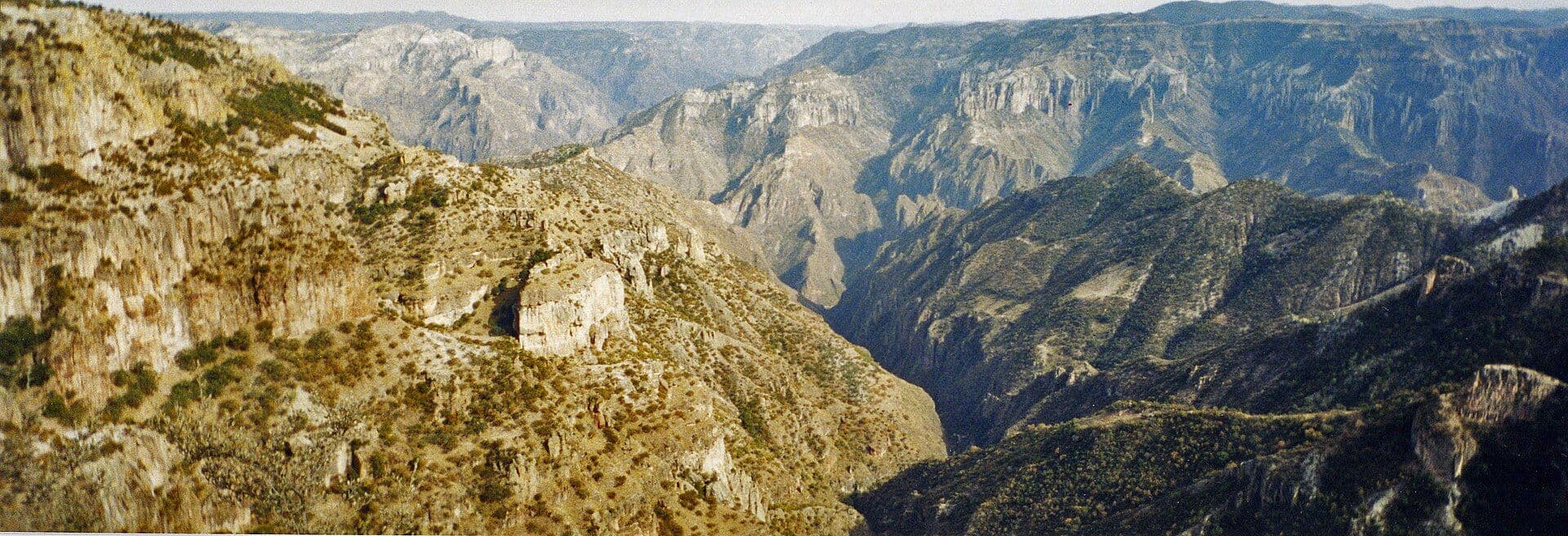
Copper Canyon: how Onorúame created the Rarámuri
In Mexico’s deepest canyons live the “light-footed” people. Their god made them from clay.
Extraordinary Places·Mexico
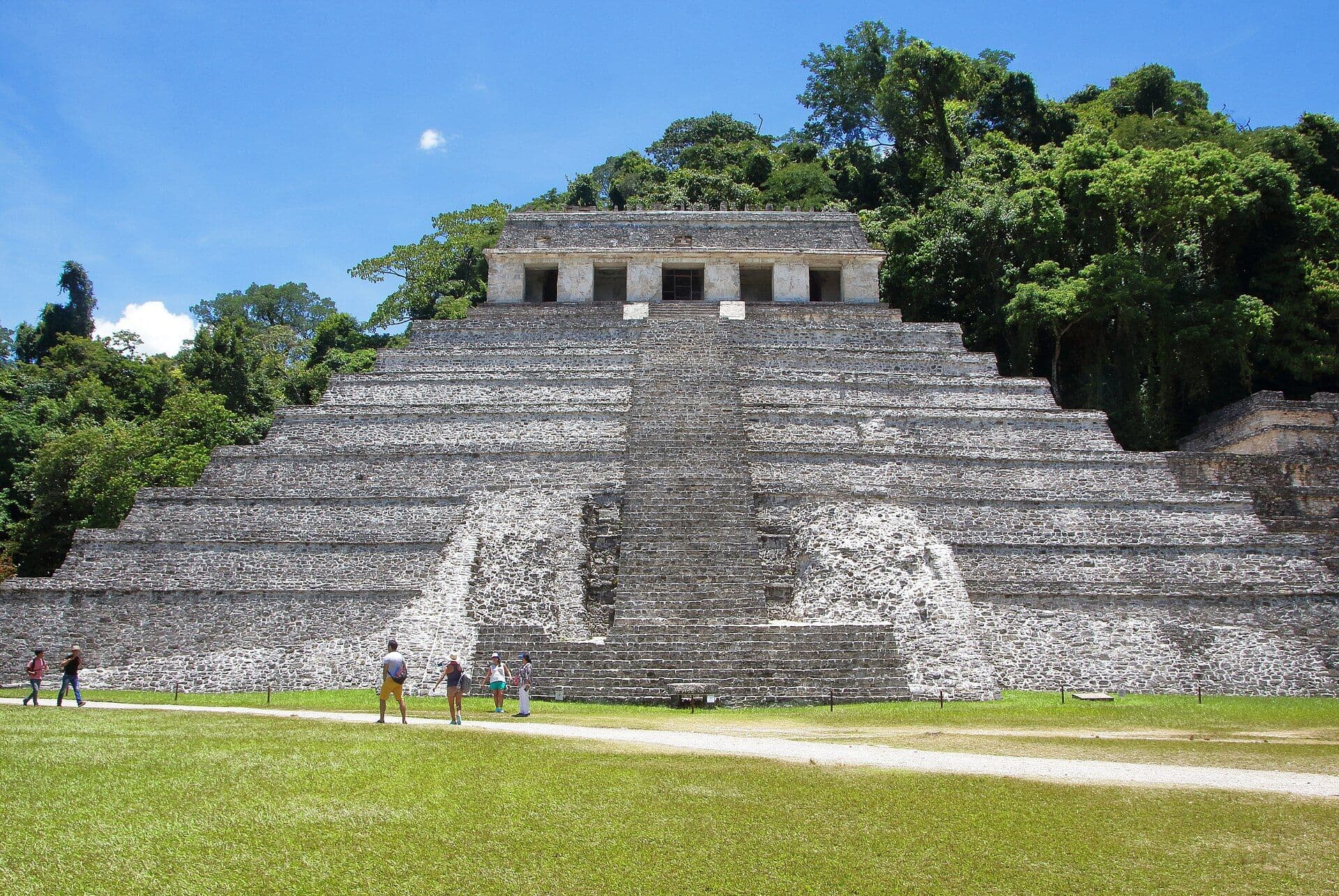
Palenque: Pakal, the king who went down to Xibalba (and was no astronaut)
In 1952 an archaeologist found a secret stairway inside a pyramid. At the bottom waited a Maya king, and his tomb lid sparked one of the most famous modern myths.
Nature & Geography·Mexico
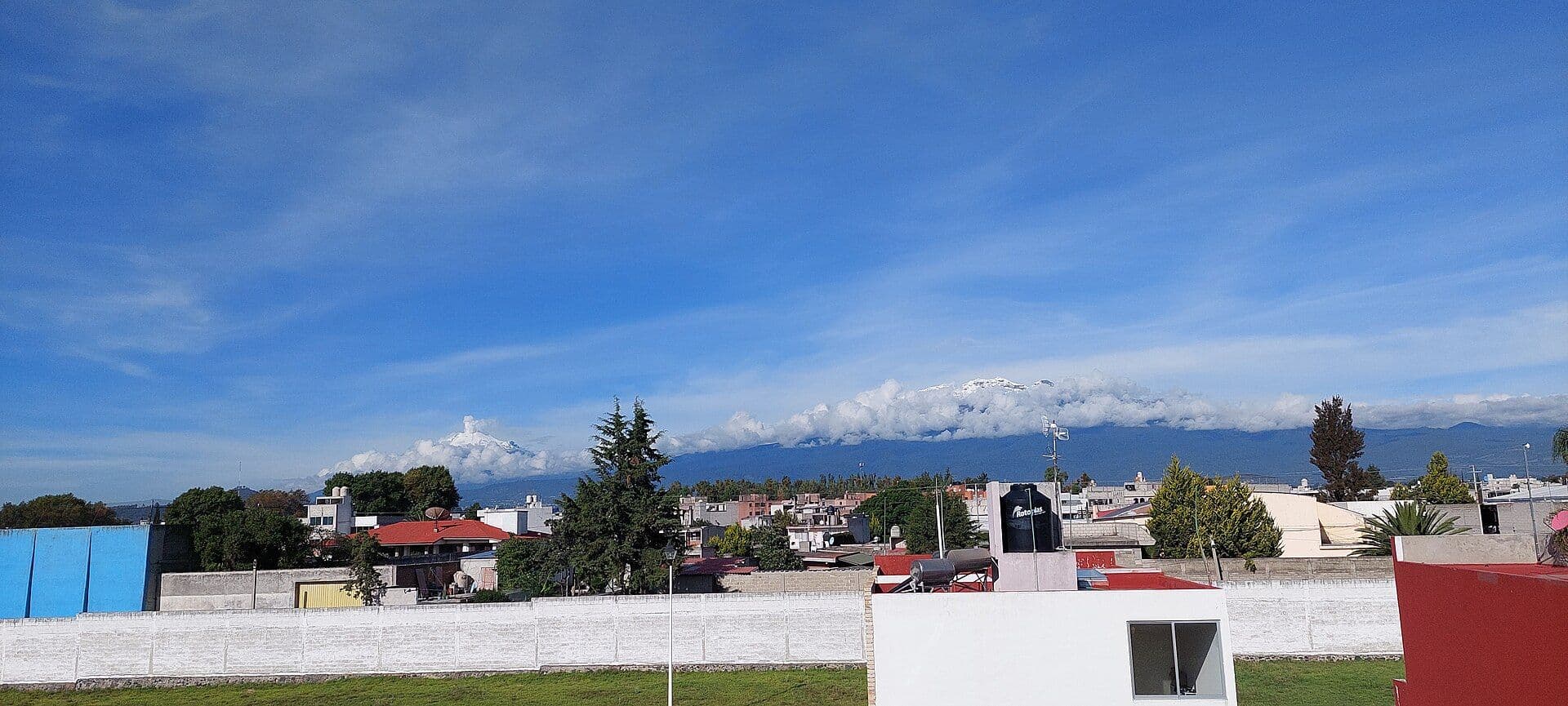
Popocatépetl and Iztaccíhuatl: the legend of the volcanoes
A warrior keeps watch forever over a sleeping princess. It is Mexico’s most famous legend — and one of the most reinvented.