Palenque: Pakal, the king who went down to Xibalba (and was no astronaut)
In 1952 an archaeologist found a secret stairway inside a pyramid. At the bottom waited a Maya king, and his tomb lid sparked one of the most famous modern myths.
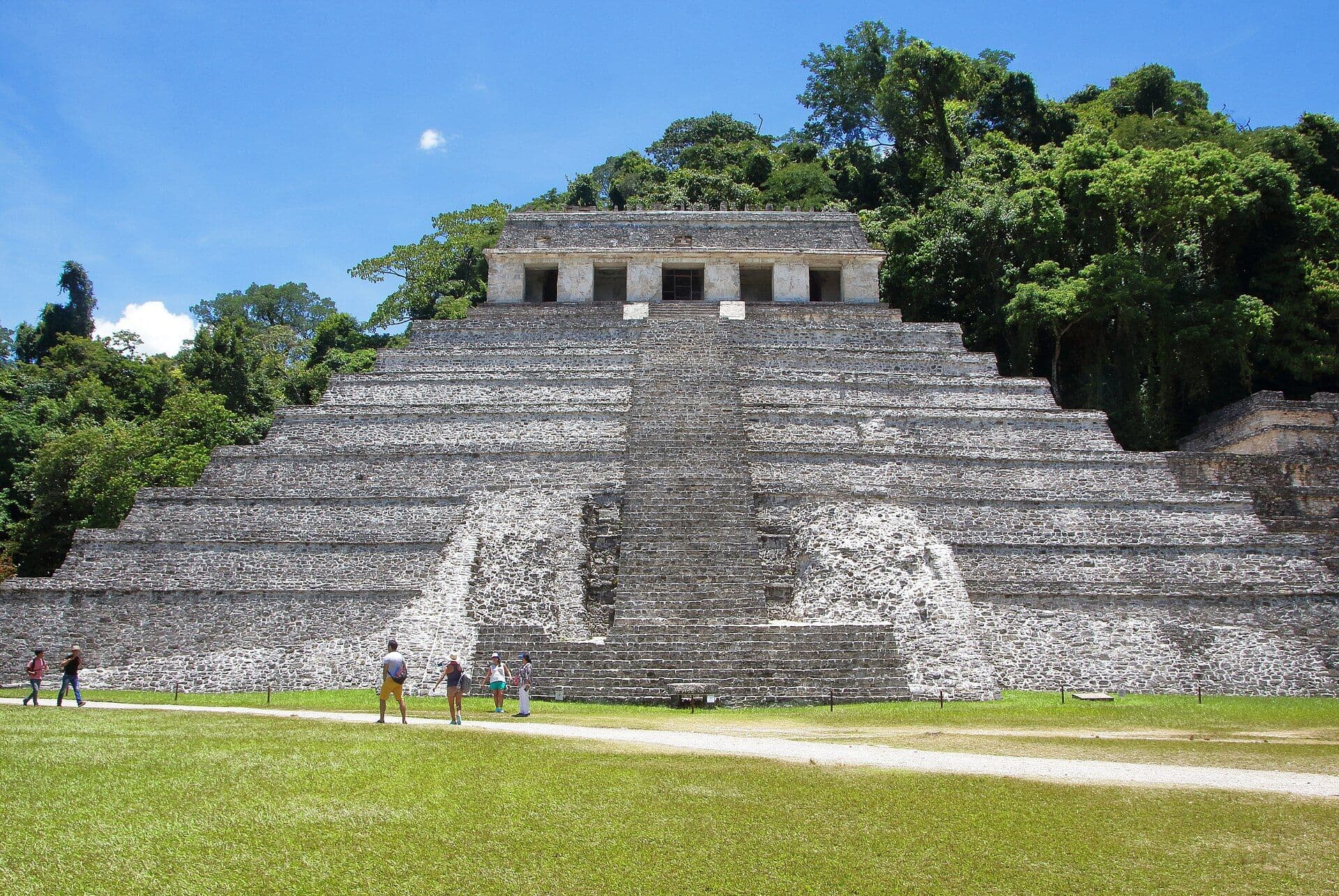
Palenque (Lakamha’ in Maya), in the rainforest of Chiapas, is one of the most beautiful Maya cities. Its most famous ruler, K’inich Janaab’ Pakal, reigned for 68 years in the seventh century. His tomb is one of the most important archaeological discoveries in the Americas. This is documented history, with an ancient myth and a modern one.
The discovery
In 1949 the archaeologist Alberto Ruz Lhuillier noticed that a floor slab in the Temple of the Inscriptions had holes for lifting it. Beneath it was a stairway filled with rubble, which his team took years to clear. On 15 June 1952 they reached a chamber closed by a large triangular slab. Behind it lay a crypt with a stone sarcophagus, covered by a carved lid weighing several tonnes. In November 1952 they raised it with hydraulic jacks and logs: inside was Pakal, wearing a jade mosaic mask.
The Maya myth
The lid shows Pakal at the moment of his death, falling into the jaws of the underworld, Xibalba, and at the same time being reborn as the maize god. Above him rises the cosmic tree, the axis joining the underworld, the earth and the sky, with a celestial bird at its top. On the walls of the crypt are the nine lords of the underworld. A stone duct, the “psychoduct”, connects the tomb with the temple above, so that the king’s soul could communicate with the living.
The modern myth: the “astronaut”
In 1968 Erich von Däniken published a drawing of the lid in Chariots of the Gods? and claimed it showed an astronaut at the controls of a spaceship. Archaeologists and epigraphers — Mexico’s INAH, Linda Schele and Stanley Guenter among others — explain that every element of the lid is a well-known Maya symbol: the world tree, the jaws of the underworld and the rebirth of the king.
Plan your visit
Practical notes for travelling there. Conditions, schedules and prices change: check before you go.
Good to know
- The archaeological zone and site museum, with a replica of the tomb; the original jade mask is in the National Museum of Anthropology in Mexico City.
- The crypt itself is not open to the public.
- Nearby: the waterfalls of Agua Azul and Misol-Ha.
Related stories

Nature & Geography·Mexico
The Tule Tree: the tree planted by the priest of the wind
The widest trunk in the world grows in a village in Oaxaca. The Zapotecs say a priest of Ehecatl planted it 1,400 years ago.
Peoples & Communities·Mexico
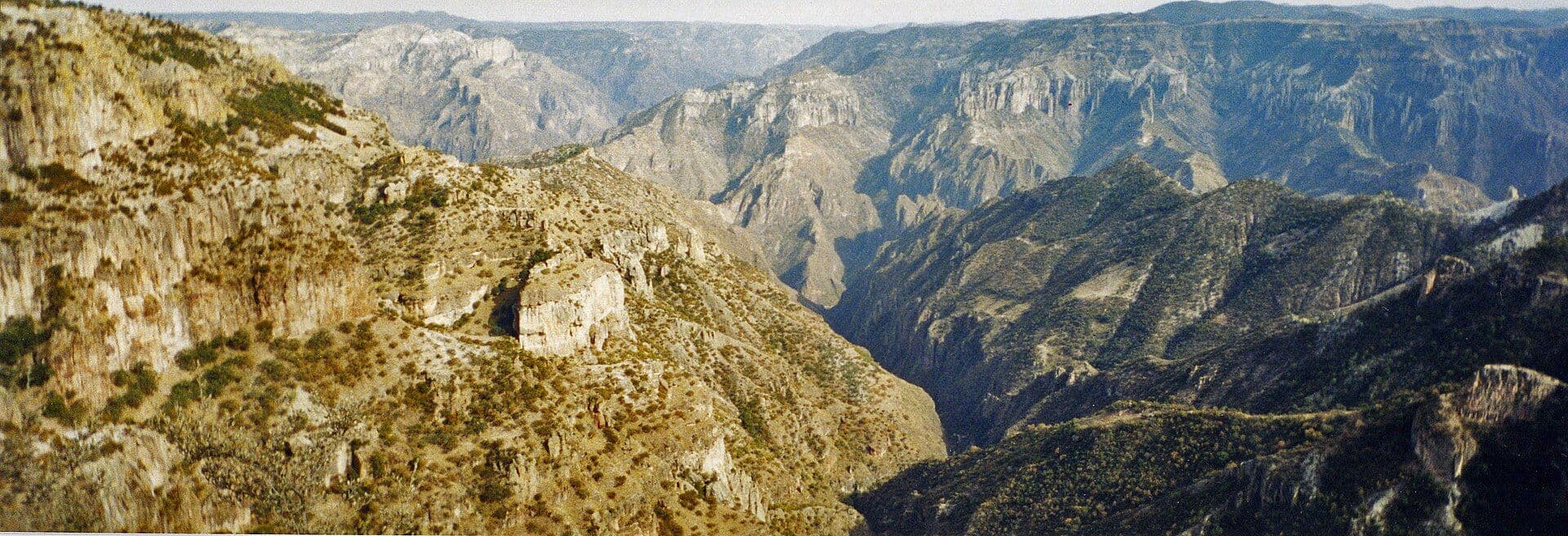
Copper Canyon: how Onorúame created the Rarámuri
In Mexico’s deepest canyons live the “light-footed” people. Their god made them from clay.
Nature & Geography·Mexico
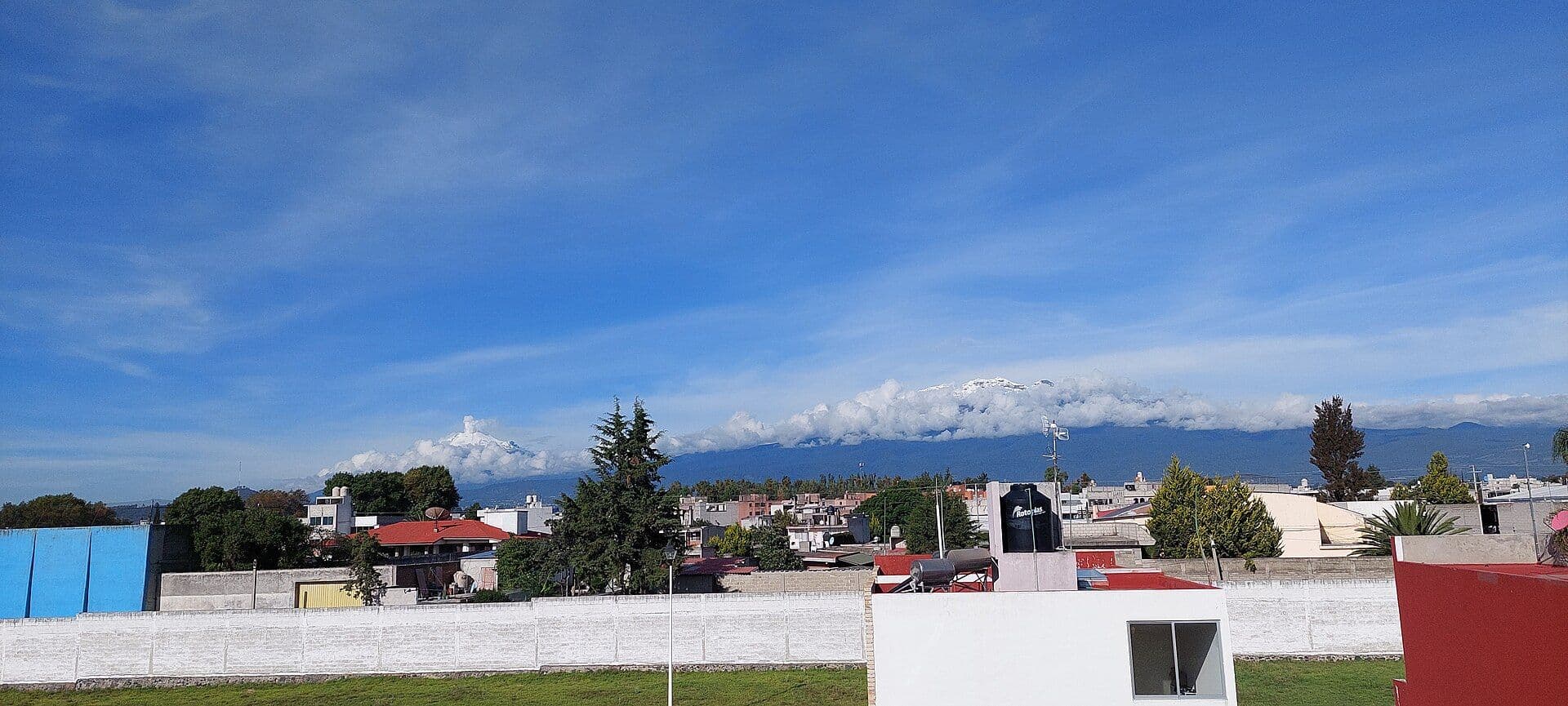
Popocatépetl and Iztaccíhuatl: the legend of the volcanoes
A warrior keeps watch forever over a sleeping princess. It is Mexico’s most famous legend — and one of the most reinvented.