Mount Roraima: the tree of all fruits and the Makunaima brothers
The Pemón say Roraima is the stump of a giant tree that bore every fruit in the world — and that on one of its peaks the heroes who freed the Sun tied up their canoe.
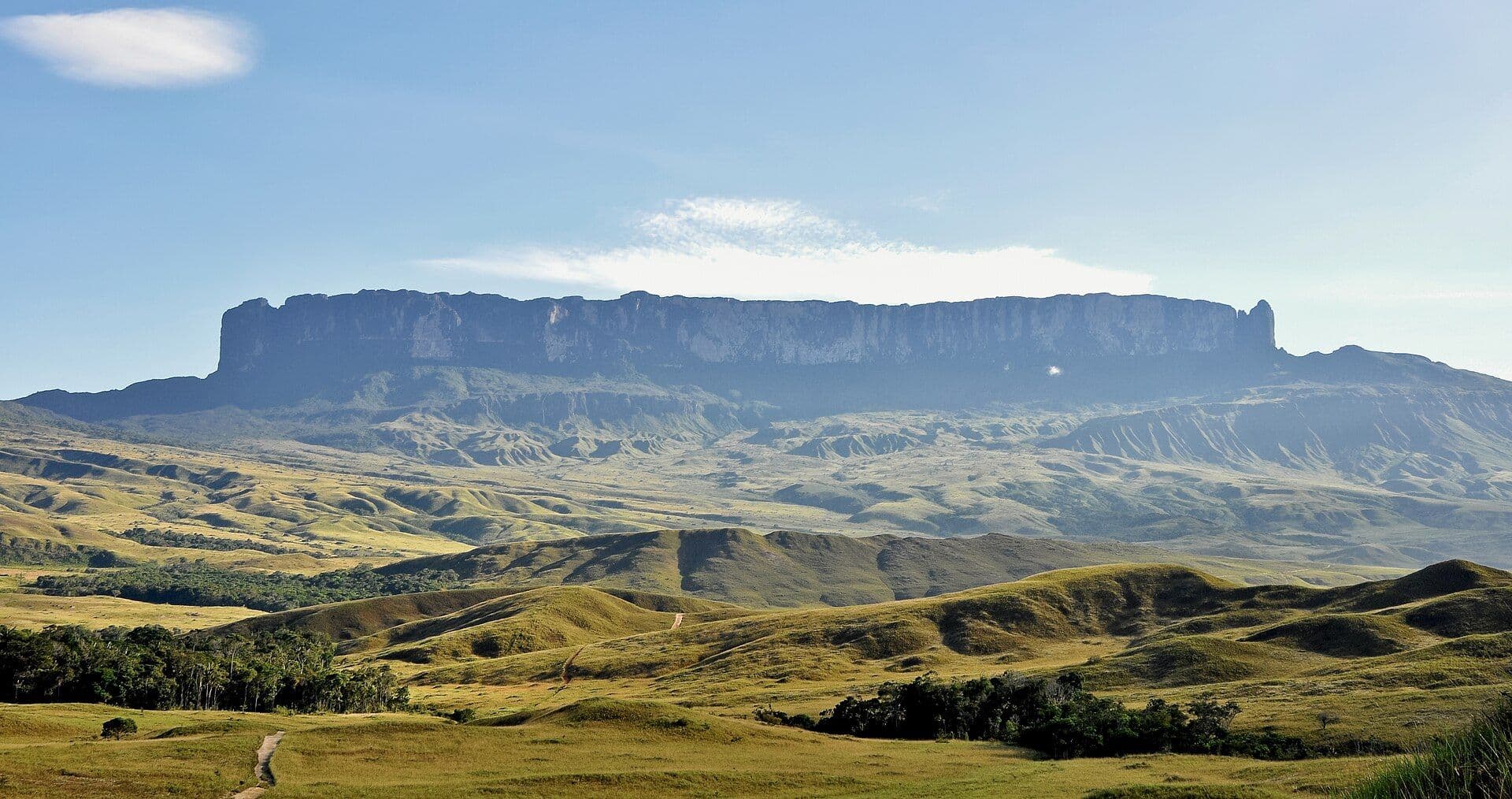
Roraima, where Venezuela, Brazil and Guyana meet, is the most famous tepui: a rock table 2,810 metres high, always among the clouds, which inspired Arthur Conan Doyle’s *The Lost World*. For the Pemón it is Roroima, and it plays a leading role in their oldest myths.
The tree Wazaká
In the beginning, every food plant grew on a single gigantic tree, Wazaká, which bore plantains, cassava, maize and fruits of every kind. It was found by the akuli, a forest rodent, which ate from it in secret. The Makunaima brothers followed it and discovered the tree. To spread its seeds across the earth, they decided to fell it. A torrent of water burst from the stump, and what remained of the trunk is Roraima: that is why so many rivers are born there.
Chiké frees the Sun
The Capuchin friar Cesáreo de Armellada recorded another adventure: the Makunaima travelled by canoe up a river to Roroima, and the youngest, Chiké, tied it to a peak of the tepui, “the one that looks torn apart”. They went on foot to Wei-tepui, the Mountain of the Sun, where the mawarí kept the Sun trapped under a giant upturned pot. A thread of light escaped from the rim. Chiké broke the pot with a shot, dazzled the mawarí, and the Sun, thin from so long a captivity, rose into the sky. That is why lightning sometimes flashes in a clear sky: it is Chiké’s shot.
The tepui
Sandstone about 1.8–2 billion years old, part of the Guiana Shield.
Canaima National Park (Venezuela), a UNESCO World Heritage Site.
It inspired The Lost World (Conan Doyle, 1912) after the explorations of the nineteenth century.
The Pemón Makunaima is the origin of the character Macunaíma in Mário de Andrade’s 1928 novel.
Plan your visit
Practical notes for travelling there. Conditions, schedules and prices change: check before you go.
Good to know
- A 6–8 day trek from Paraitepui (Gran Sabana, Venezuela), with compulsory Pemón guides and porters.
- Check the security situation and access conditions before travelling.
Related stories
Culture & Traditions·Venezuela
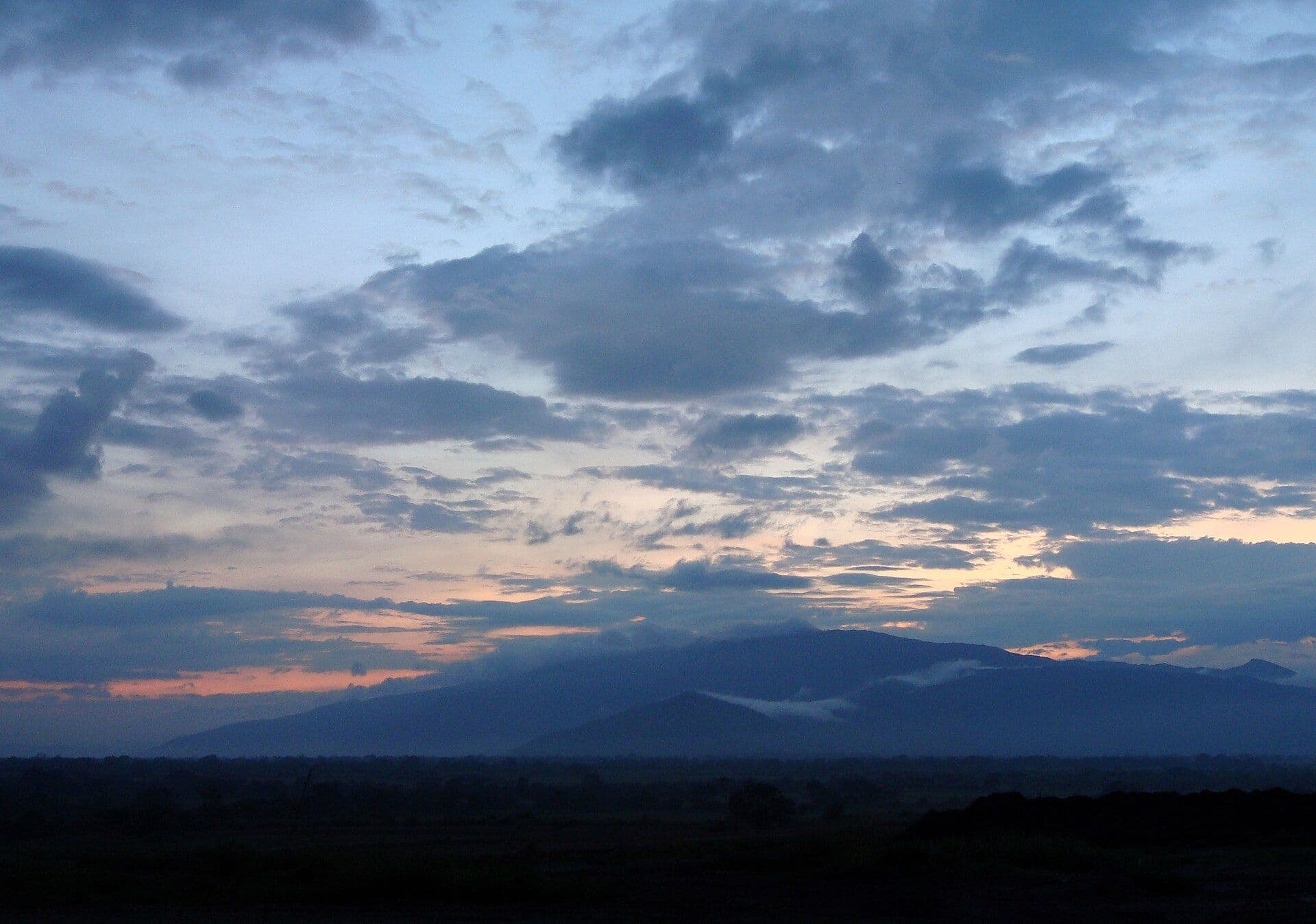
Sorte Mountain: María Lionza, queen of the mountain
Daughter of a chief, guardian of the waters, riding a tapir. Thousands of Venezuelans climb her mountain in Yaracuy every year.
Nature & Geography·Venezuela
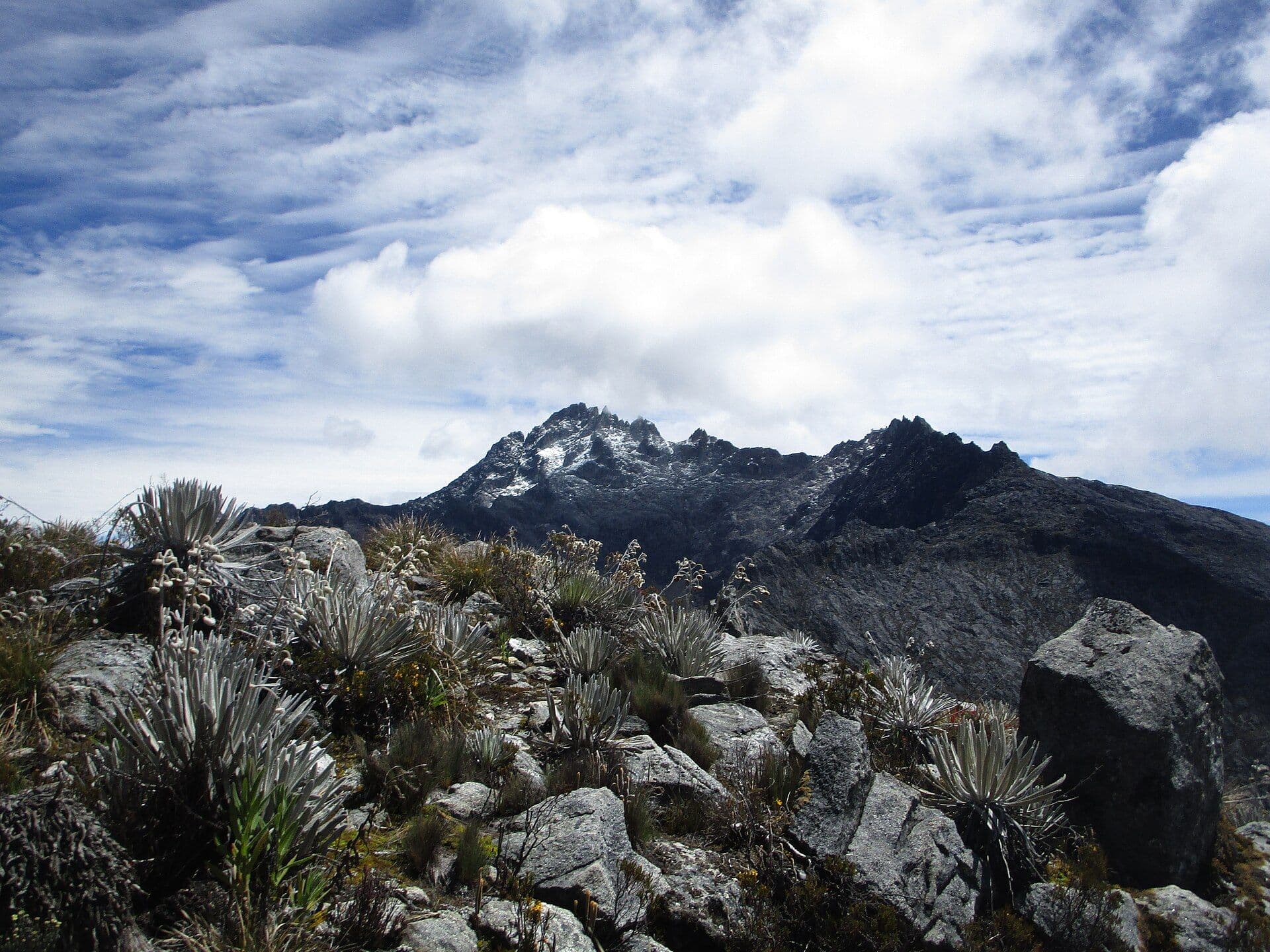
Sierra Nevada de Mérida: the five white eagles
The snowy peaks of the Venezuelan Andes were once, the legend says, five eagles that Caribay tried to catch.
Legends & Folklore·Venezuela
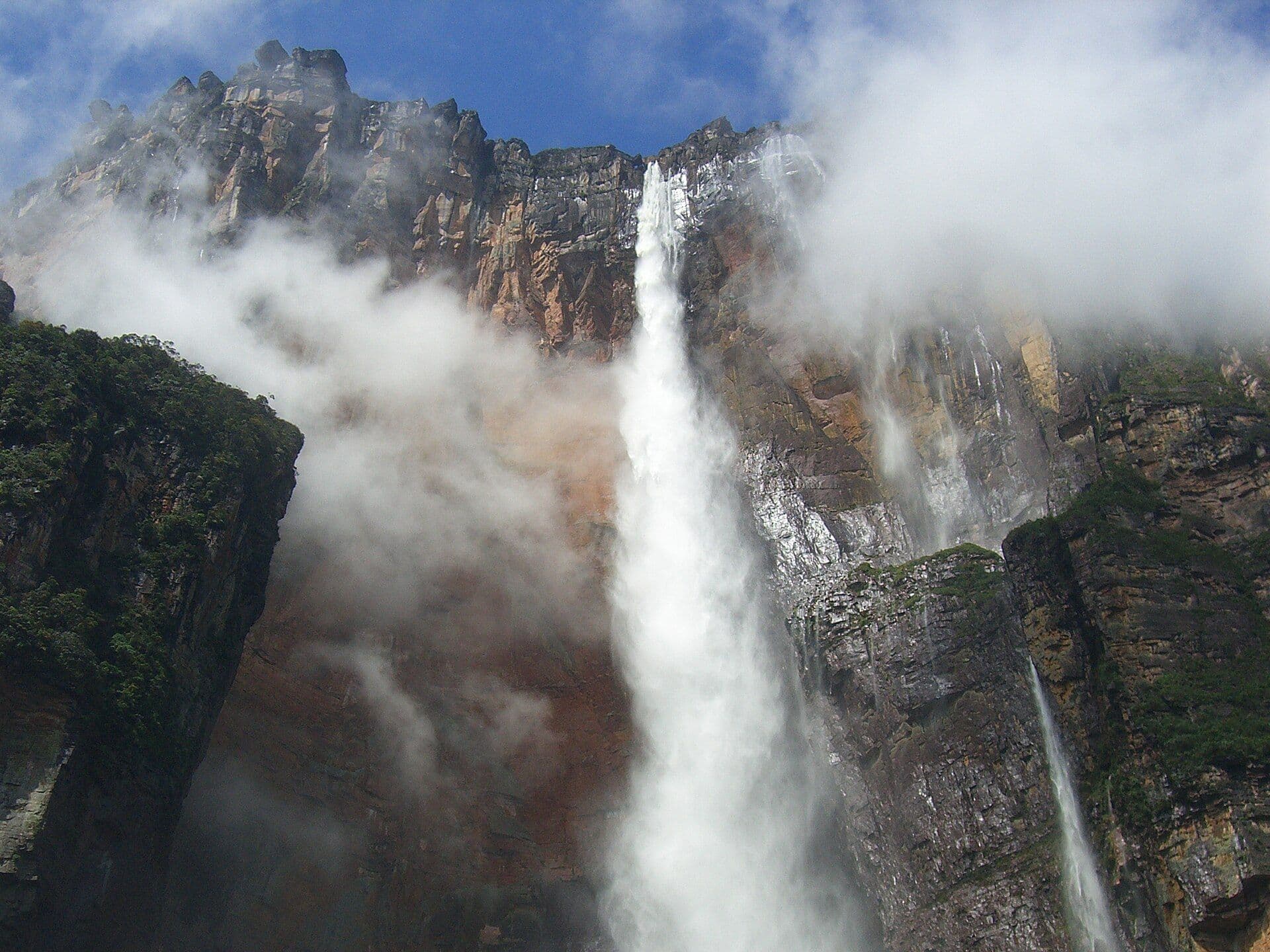
Auyantepuy and Angel Falls: the mountain that took a village
The Pemón of Kamarata say a whole village vanished from the foot of this tepui in one night. Centuries later, a pilot landed on its summit and never got his plane back.