Culture & Traditions·Venezuela
Sorte Mountain: María Lionza, queen of the mountain
Daughter of a chief, guardian of the waters, riding a tapir. Thousands of Venezuelans climb her mountain in Yaracuy every year.
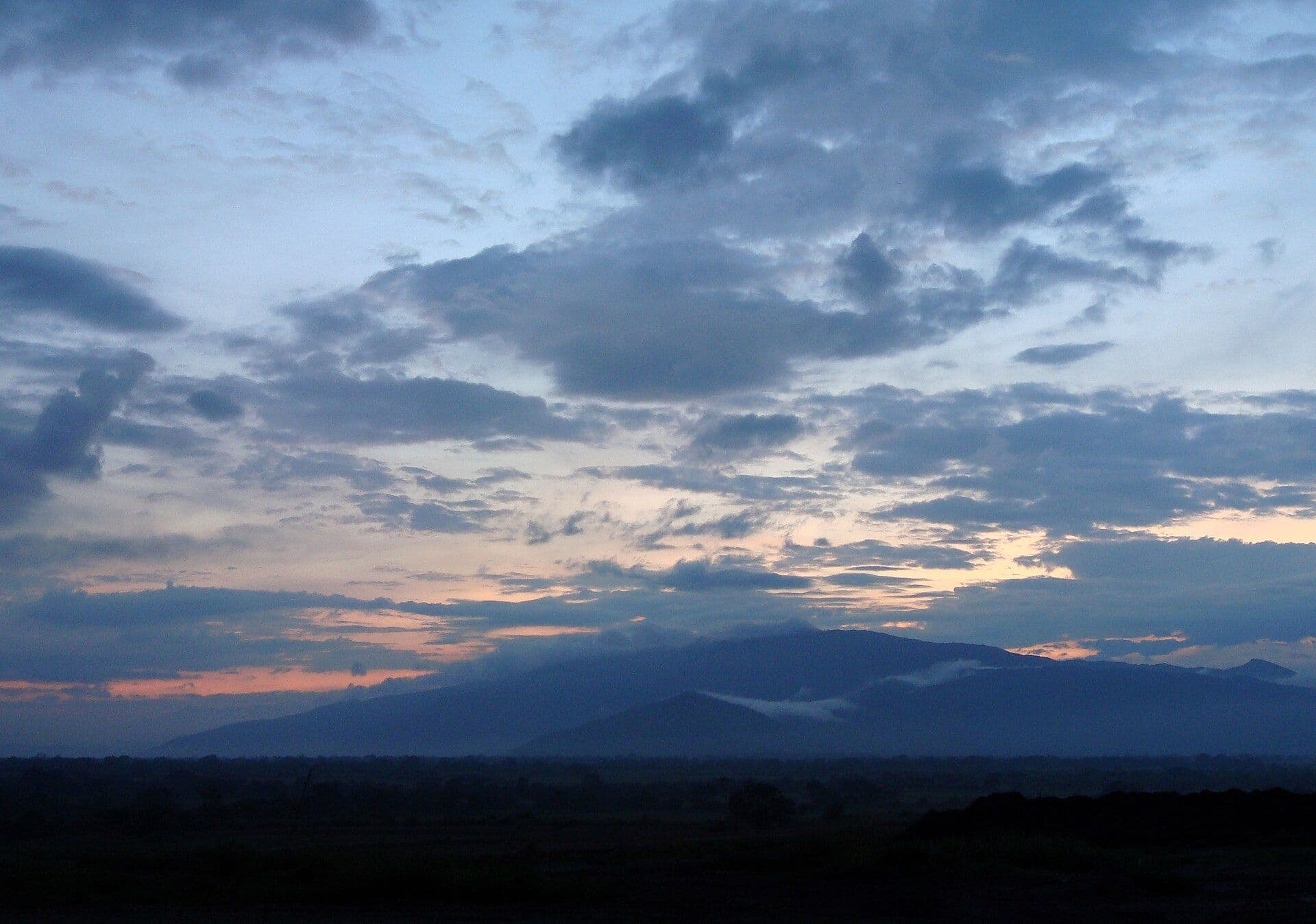
On the mountain of Sorte, in Yaracuy state, Venezuela, thousands of followers of the cult of María Lionza, also called Yara, gather every year. Her statue — a naked woman astride a tapir, raising a pelvis in her hands — is one of the icons of Caracas.
The legend
In the region of Yaracuy, around the fifteenth or sixteenth century, a girl with light-coloured eyes was born into the family of a chief. The shamans warned that she carried a destiny: if she ever looked at herself in the water, a great serpent of the lake would come for her and disaster would follow. The chief kept her hidden.
One day the girl escaped and saw her reflection in a lagoon. The anaconda of the water fell in love with her and swallowed her, or carried her off to live at the bottom. The serpent grew so large that it burst, and the waters overflowed and flooded the region. From then on the young woman became the owner of the waters, the mountain, the animals and the plants: Yara, later called María Lionza. She lives at Sorte, in its waterfalls and streams.
This is the most widely told version; many others exist.
The cult and the monument
In the 1930s Gilberto Antolínez published “Un mito arcaico del estado Yaracuy” in the magazine Guarura, and together with the sculptor Alejandro Colina and the architect Hermes Romero promoted the figure of Yara as a Venezuelan Indigenous symbol.
Alejandro Colina made the statue of María Lionza in 1951 for the stadium of the University City; in 1953 the government of Pérez Jiménez moved it to the Francisco Fajardo motorway in Caracas. There is a replica at Sorte.
Today the cult includes the “courts” (Indigenous, Black and Liberator) and celebrations such as that of 12 October at Sorte.
Plan your visit
Practical notes for travelling there. Conditions, schedules and prices change: check before you go.
Good to know
- Cerro María Lionza Natural Monument, near Chivacoa (Yaracuy). Go with a local guide.
- Do not interrupt rituals or take photographs without permission.
Related stories
Nature & Geography·Venezuela
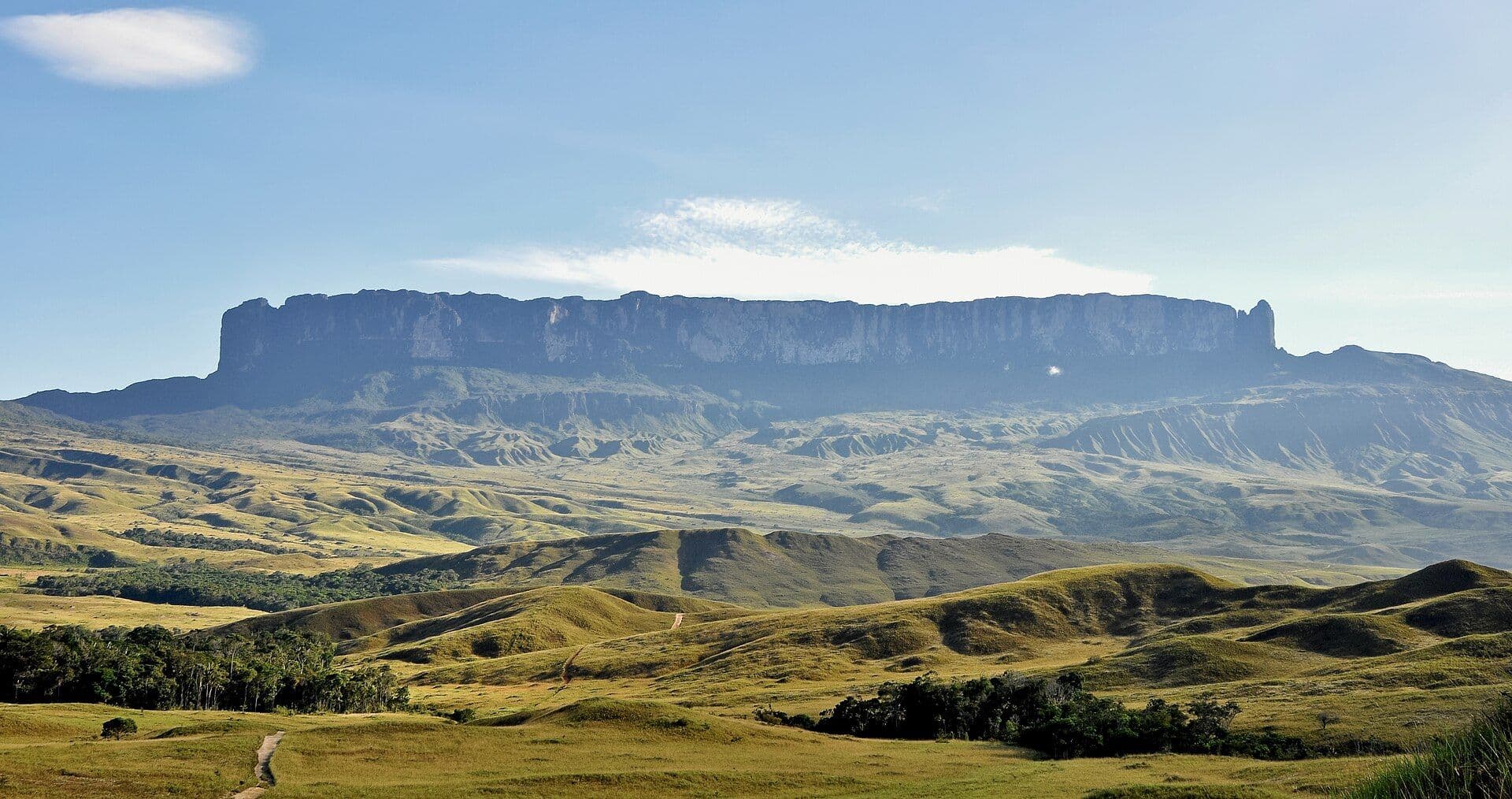
Mount Roraima: the tree of all fruits and the Makunaima brothers
The Pemón say Roraima is the stump of a giant tree that bore every fruit in the world — and that on one of its peaks the heroes who freed the Sun tied up their canoe.
Nature & Geography·Venezuela
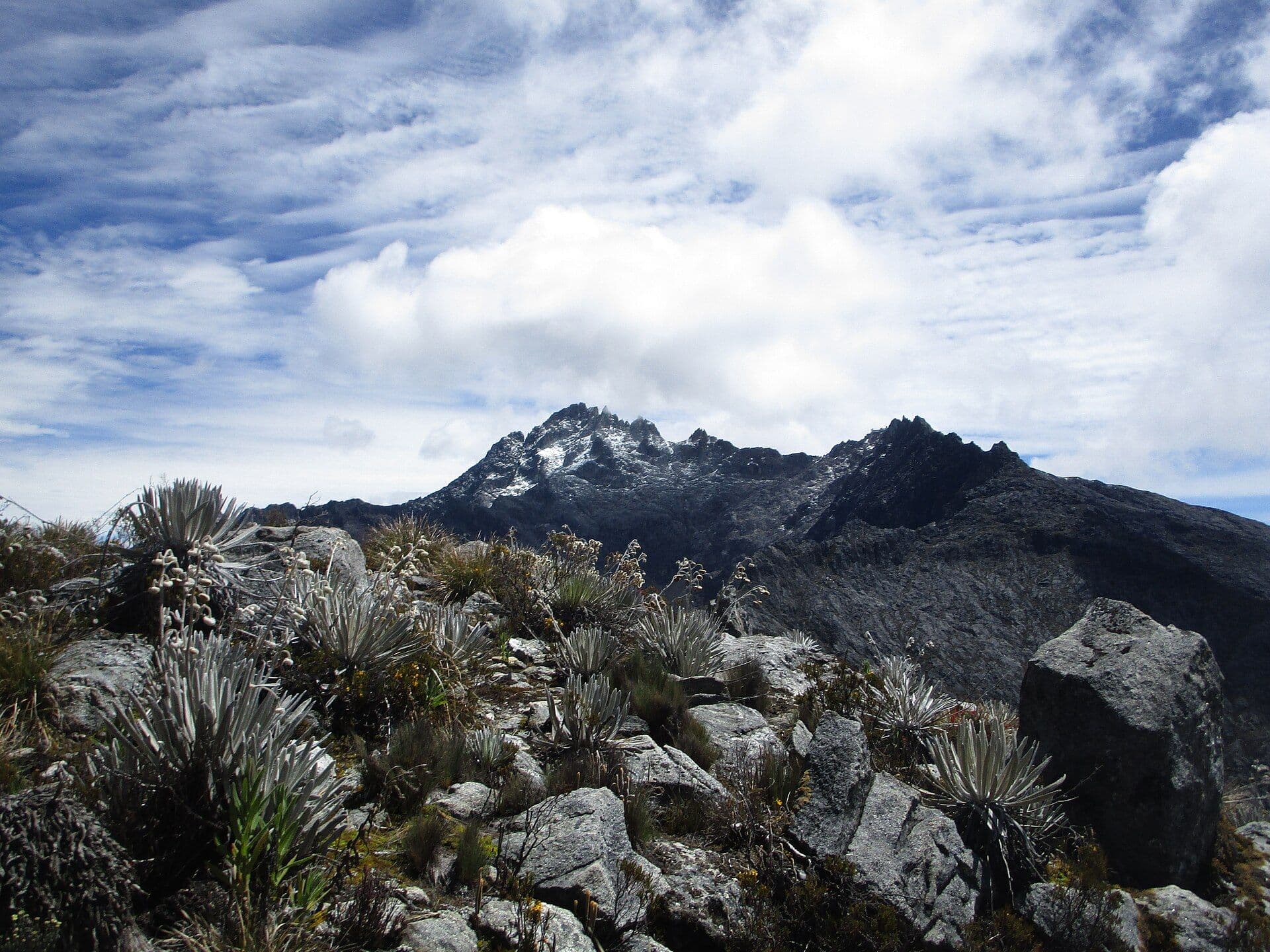
Sierra Nevada de Mérida: the five white eagles
The snowy peaks of the Venezuelan Andes were once, the legend says, five eagles that Caribay tried to catch.
Legends & Folklore·Venezuela
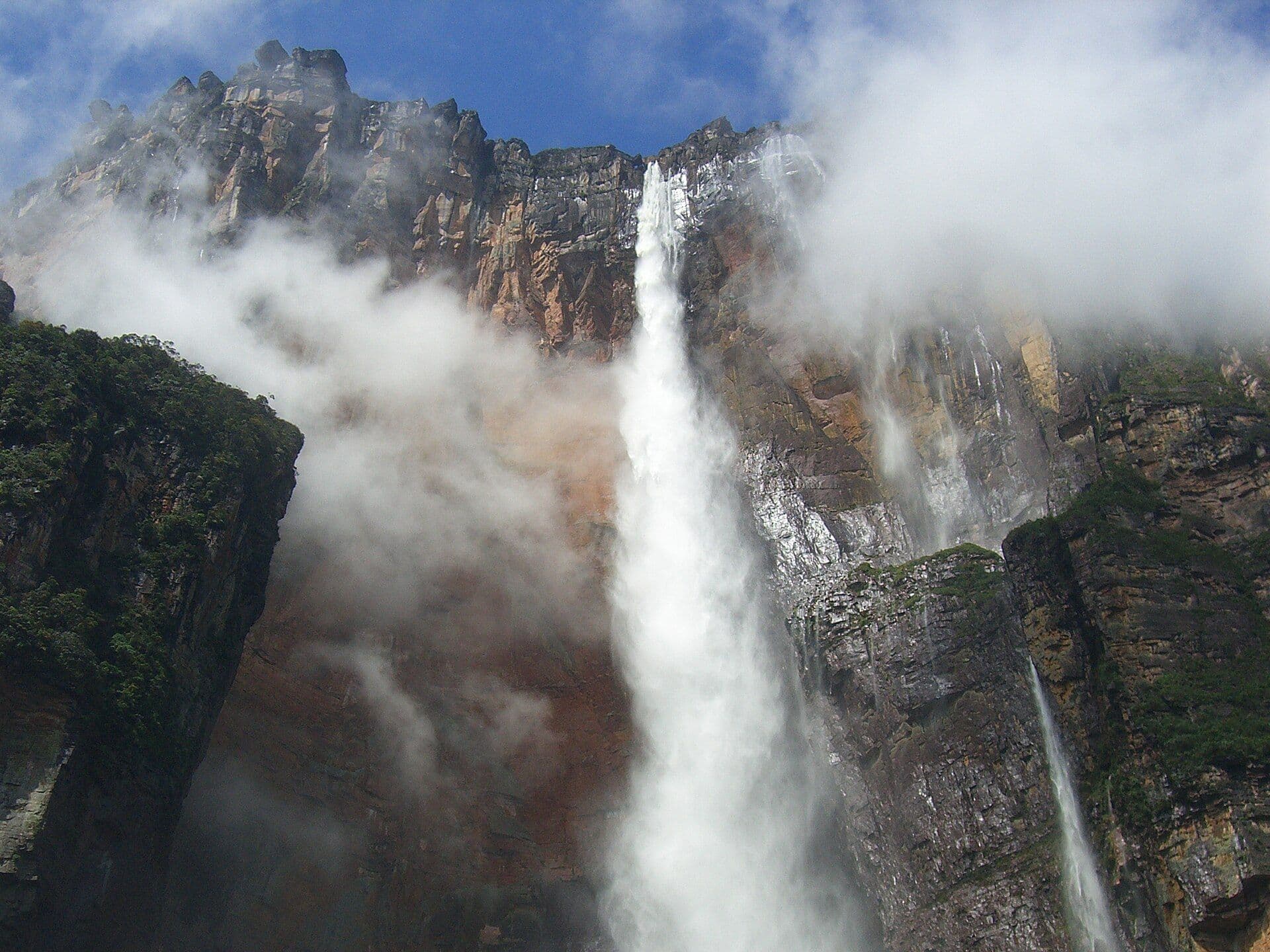
Auyantepuy and Angel Falls: the mountain that took a village
The Pemón of Kamarata say a whole village vanished from the foot of this tepui in one night. Centuries later, a pilot landed on its summit and never got his plane back.