Auyantepuy and Angel Falls: the mountain that took a village
The Pemón of Kamarata say a whole village vanished from the foot of this tepui in one night. Centuries later, a pilot landed on its summit and never got his plane back.
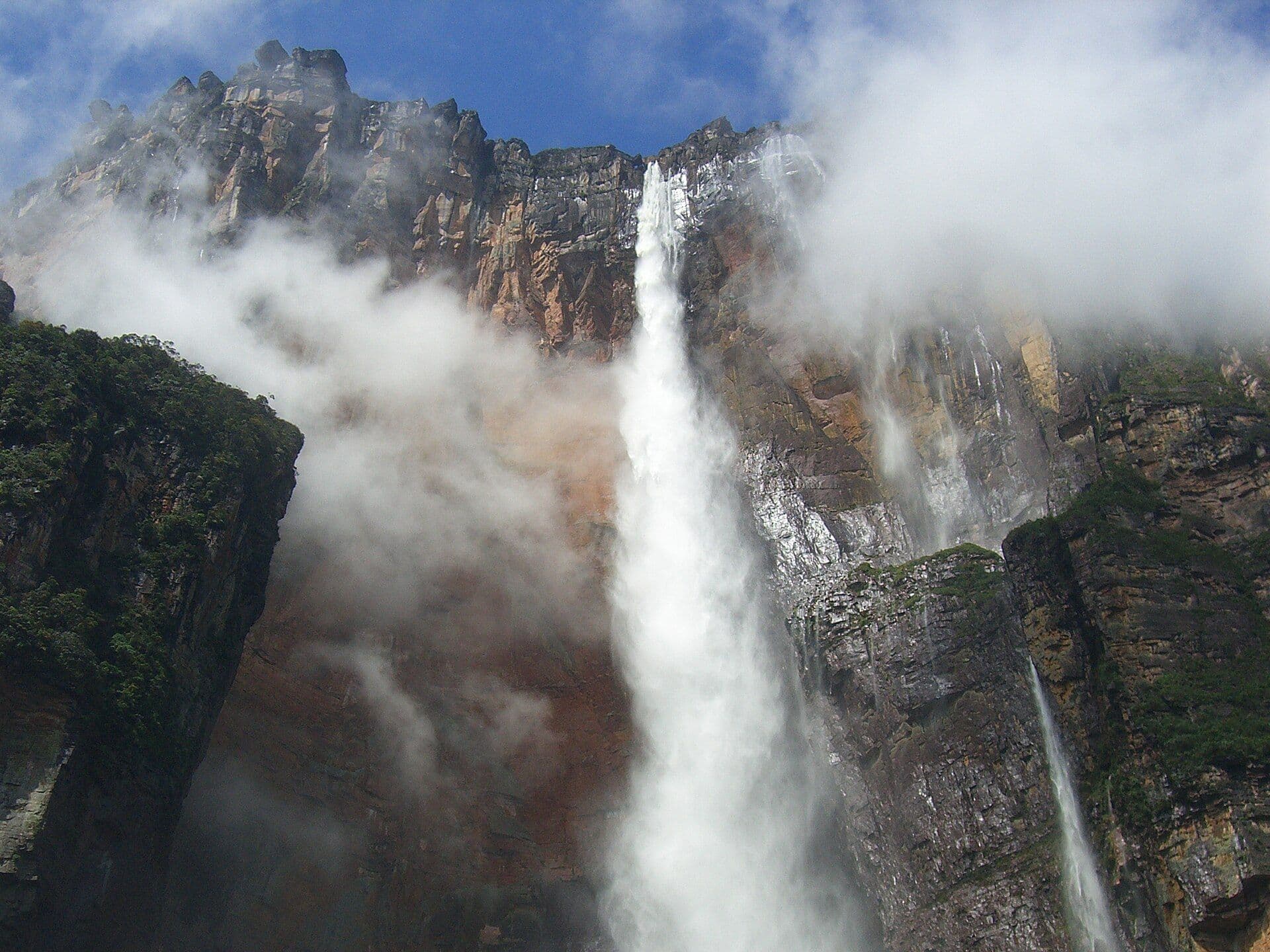
In southeastern Venezuela, flat-topped mountains called tepuis rise from the savanna like stone islands, their walls hundreds of metres high. From the largest of them, Auyantepuy, falls the highest waterfall in the world. For the Pemón people who live around it, the mountain is not empty: it is inhabited.
Islands of stone
Tepuis are the remains of an ancient sandstone plateau eroded over an immense span of time, and their rocks are among the oldest exposed on the planet. Their summits, isolated by sheer walls, have plants found nowhere else, including carnivorous pitcher plants.
Auyantepuy covers some 700 square kilometres. From a cleft in its northern wall drops the waterfall the world knows as Angel Falls and the Pemón call Kerepakupai Vená, nearly a thousand metres of water that turns to mist before reaching the bottom.
Do not answer the voices
The Pemón of Kamarata tell that, long ago, a village lived at the foot of the wall. One night the shaman warned a girl who had just become a woman: if you hear voices, do not answer. They are not people. They are the mawarí, who live in the mountains, and they are looking for you.
The mawarí came singing, “Auyamá yeukú…”, a song about the auyama, the squash. The girl thought it was her own people and sang along. Before dawn a wind full of whirlwinds rose and carried everyone away, houses and all. People say their doors can still be seen in the cliff, and their houses turned to stone on the summit. And from that song the mountain took its name: Auyán.

The plane on the summit
In 1937 the American pilot Jimmie Angel landed his small plane on top of Auyantepuy, looking for gold. The wheels sank in the boggy ground and the plane could not take off again. Angel, his wife and two companions walked down the mountain for eleven days before reaching help. The waterfall he had seen from the air took his name, and the plane, recovered decades later, is on display in Ciudad Bolívar.
“When the little birds sing on the summit, it is the lost village. That is why, up there, you speak softly.”
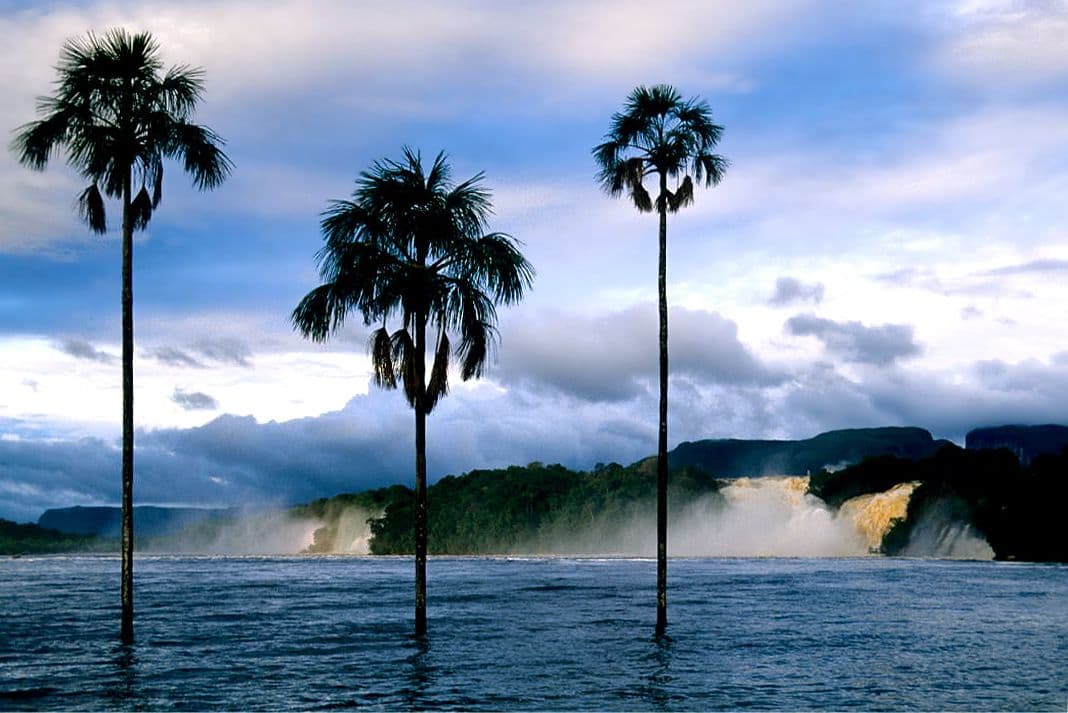
Plan your visit
Practical notes for travelling there. Conditions, schedules and prices change: check before you go.
- Base town
- Canaima (Bolívar, Venezuela)
- Best time to go
- Boat trips to the foot of Angel Falls depend on high water, roughly June to November, when the falls are also at their fullest. In the dry season the rivers may be too low and the falls thin.
- Getting there
- Canaima village has no road access: it is reached by small plane, usually from Ciudad Bolívar or Puerto Ordaz. From there, trips to Angel Falls go by curiara (dugout canoe) up the rivers, or by overflight.
Good to know
- Check your government’s travel advice and Venezuela’s entry requirements before planning.
- A national park fee is charged on arrival.
- Pemón communities run many of the camps and boats.
- Bring a rain jacket and dry bags for the river trip.
Related stories
Culture & Traditions·Venezuela
Sorte Mountain: María Lionza, queen of the mountain
Daughter of a chief, guardian of the waters, riding a tapir. Thousands of Venezuelans climb her mountain in Yaracuy every year.
Nature & Geography·Venezuela
Mount Roraima: the tree of all fruits and the Makunaima brothers
The Pemón say Roraima is the stump of a giant tree that bore every fruit in the world — and that on one of its peaks the heroes who freed the Sun tied up their canoe.
Nature & Geography·Venezuela
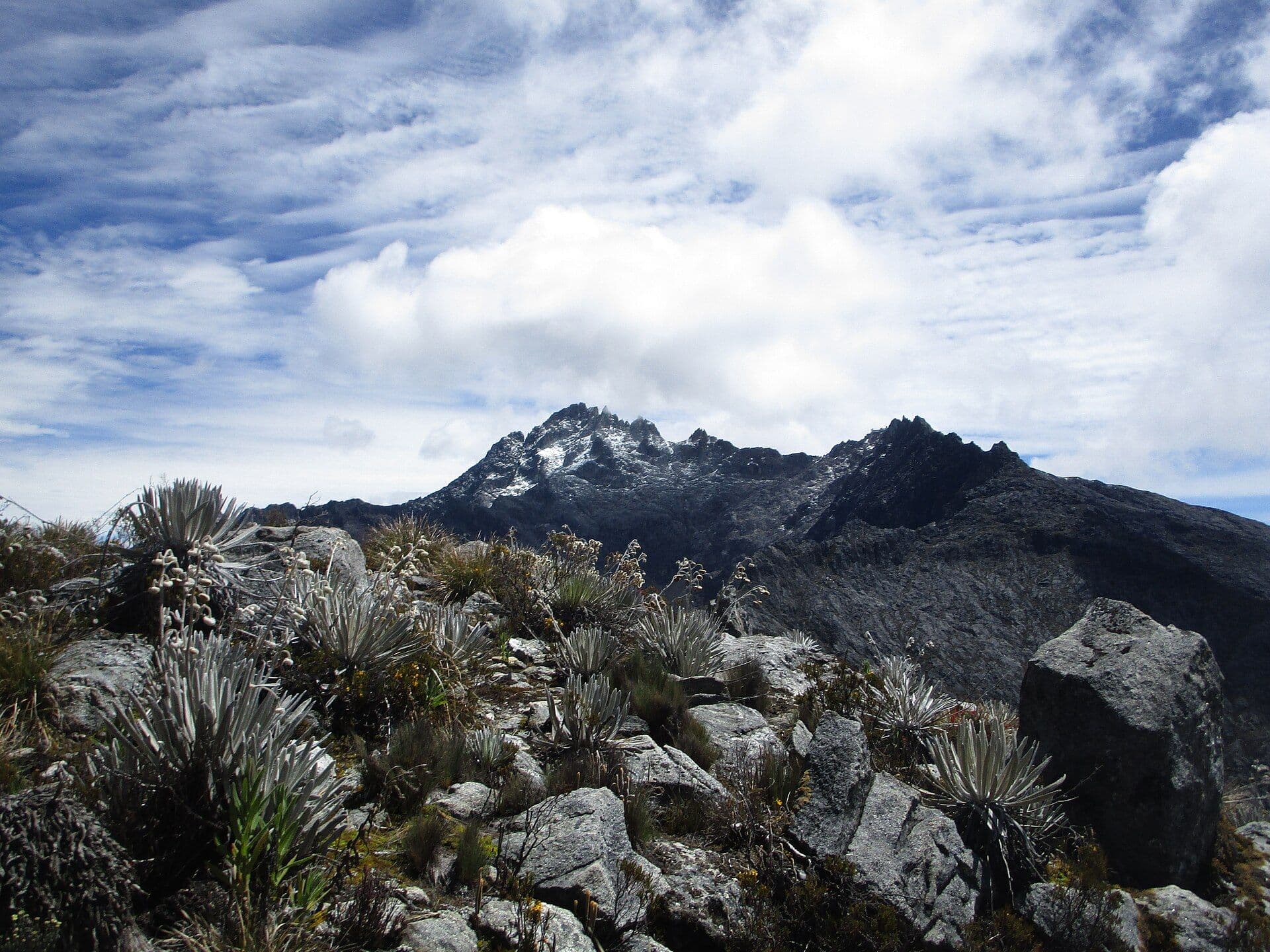
Sierra Nevada de Mérida: the five white eagles
The snowy peaks of the Venezuelan Andes were once, the legend says, five eagles that Caribay tried to catch.