Chimborazo and Tungurahua: Ecuador’s volcano love story
Taita Chimborazo won a war of giants for the love of Mama Tungurahua. Their son, people say, is Guagua Pichincha.
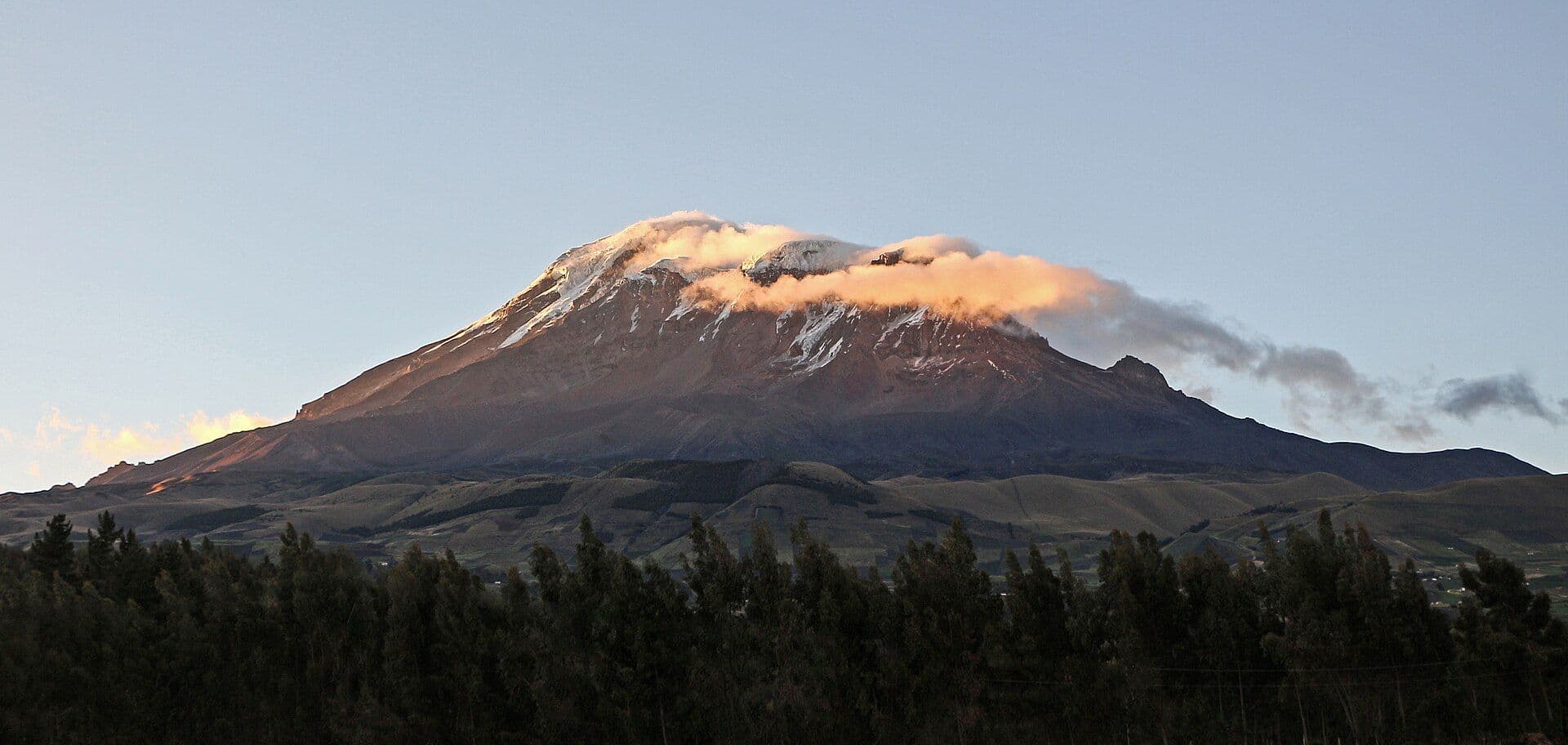
Chimborazo (6,263 m) is the point on Earth farthest from its centre, because of the planet’s flattened shape. For the Kichwa peoples of Ecuador’s central highlands, and the Puruhá before them, it is Taita (Father) Chimborazo, and it is not alone: the volcanoes around it form a family with its loves, quarrels and jealousies.
The legend
Long ago, the volcanoes were giants who moved and fought. Mama Tungurahua, young and fiery, had several suitors. Chimborazo and another giant — Cotopaxi in some versions, Carihuairazo in others — fought over her in a terrible struggle of fire and stones.
Chimborazo won and married Tungurahua. From that marriage was born Guagua Pichincha (guagua means “child” in Kichwa), the volcano beside Quito. In the Carihuairazo version, the defeated rival was left with a shattered top, which is why its summit is ragged.
Other stories tell of the couple’s arguments: Tungurahua reproached the taita for not having more children, and when she gets angry, she erupts. The Puruhá considered Chimborazo their father and their god, and spoke of “the children of Chimborazo”.
Facts
The summit of Chimborazo is about 6,384 km from the centre of the Earth, farther than the summit of Everest.
Tungurahua had a long eruptive period between 1999 and 2016; the town of Baños, at its foot, was evacuated in 1999.
Alexander von Humboldt tried to climb Chimborazo in 1802 and reached a record altitude for his time.
Plan your visit
Practical notes for travelling there. Conditions, schedules and prices change: check before you go.
Good to know
- Chimborazo Fauna Reserve: vicuñas and the Carrel and Whymper refuges (about 5,000 m). Base: Riobamba.
- Baños de Agua Santa, at the foot of Tungurahua: waterfalls, hot springs and the “tree house” swing with a view of the volcano.
Related stories
Nature & Geography·Ecuador
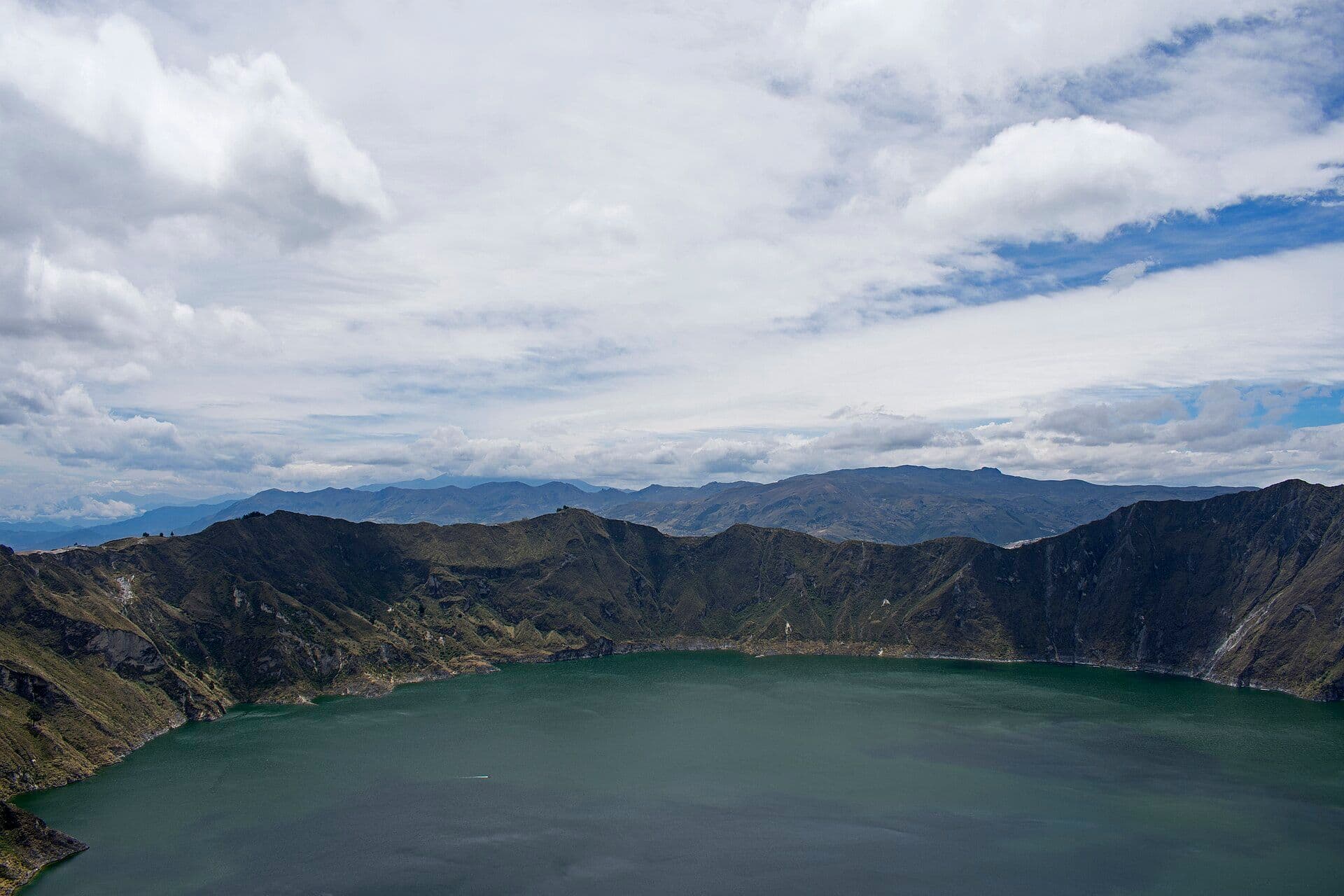
Quilotoa Lagoon: the lake without a bottom
A crater of turquoise water in the Andes of Ecuador. The surrounding communities tell two very different stories about how it was born.
Culture & Traditions·Ecuador
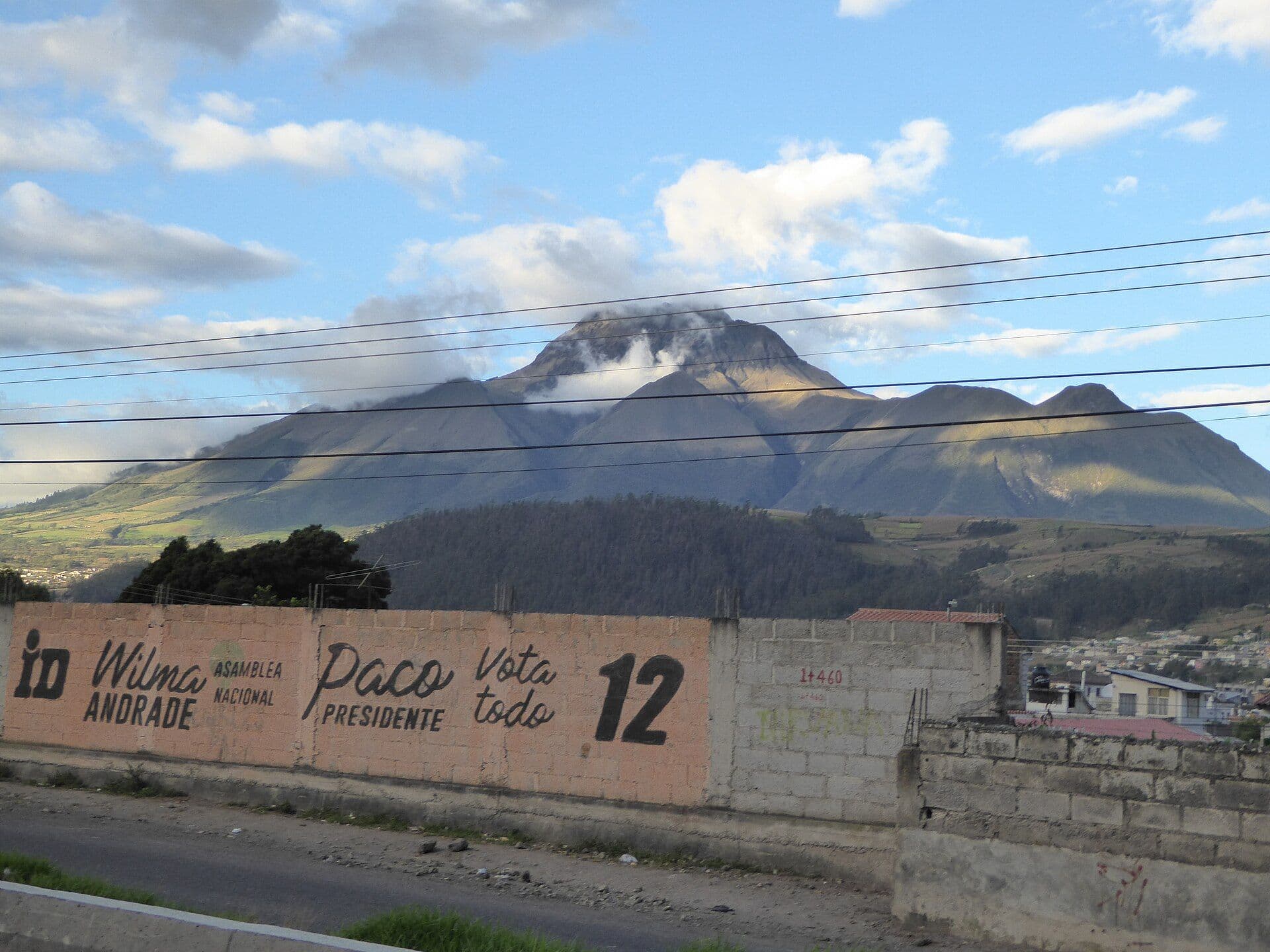
Otavalo: Taita Imbabura and Mama Cotacachi
Two mountains face to face, husband and wife. When their clouds meet, say the Kichwa Otavalo, they are visiting each other.
Nature & Geography·Ecuador
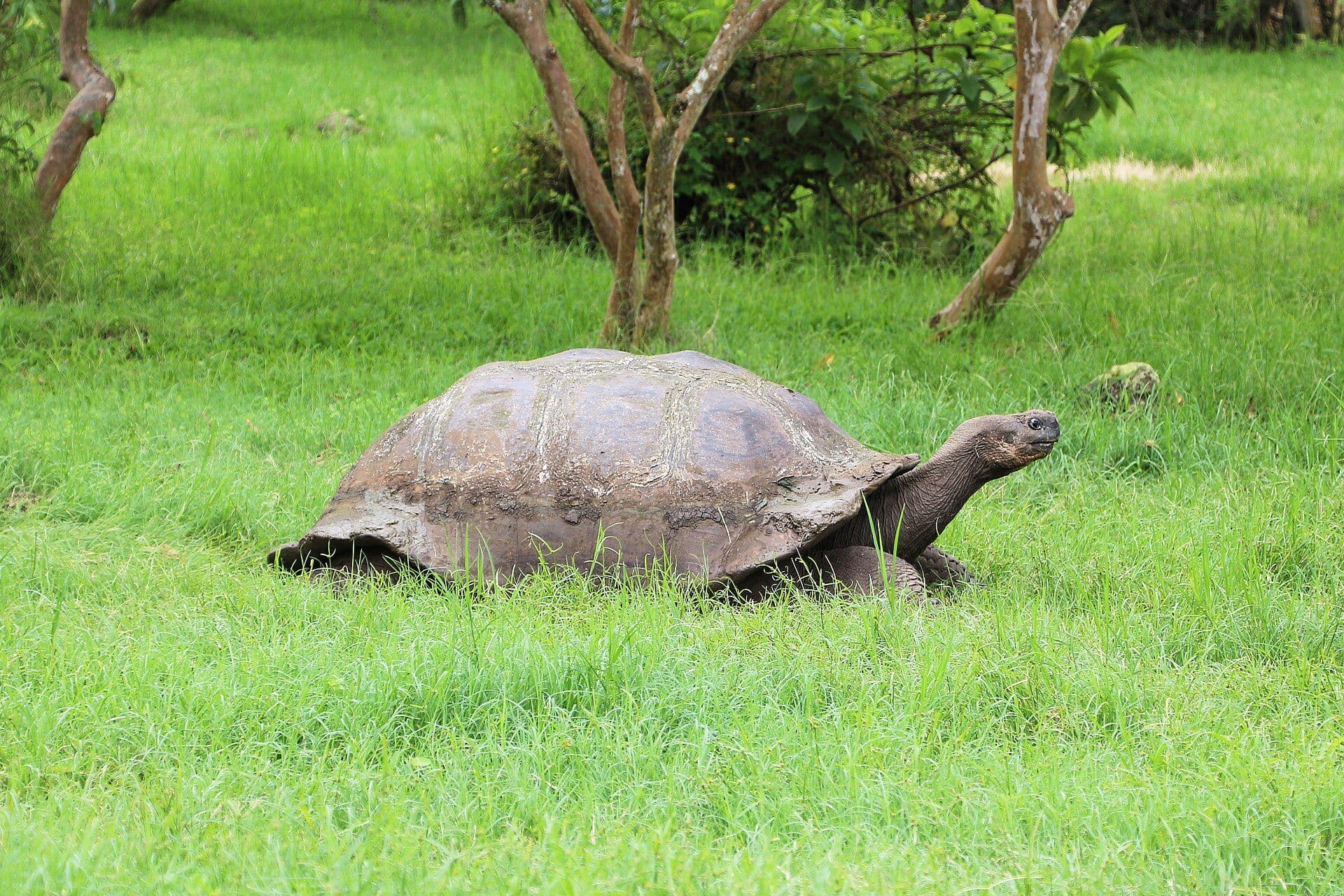
Galápagos, the islands that seemed to move
Sailors called them enchanted because currents and mist made them appear and disappear. A young naturalist saw something else in them.