Quilotoa Lagoon: the lake without a bottom
A crater of turquoise water in the Andes of Ecuador. The surrounding communities tell two very different stories about how it was born.
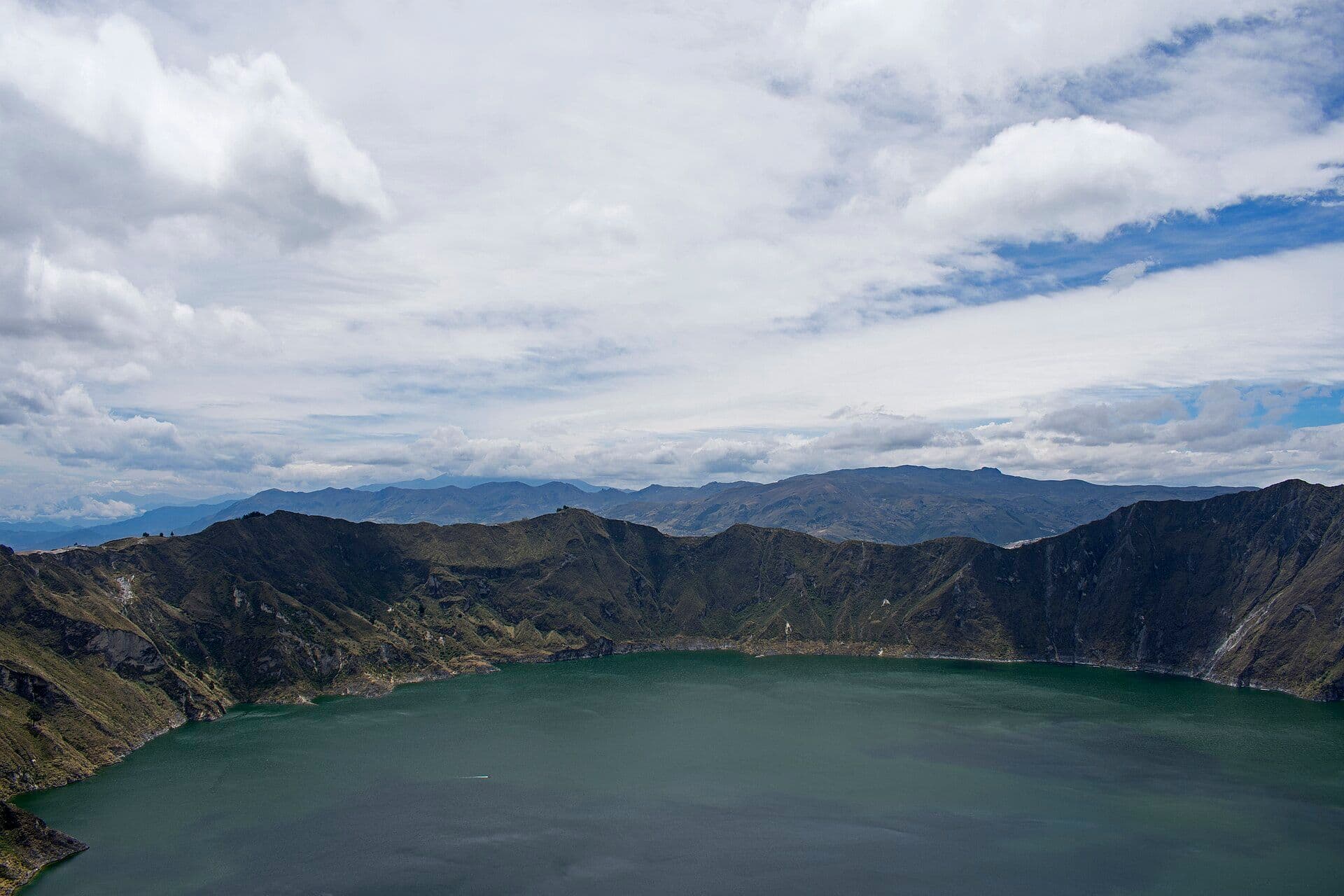
Quilotoa Lagoon, in Cotopaxi Province, fills the crater of a volcano that exploded about 800 years ago. It is some 3 km across, and its water shifts from green to turquoise. The people of Zumbahua and the nearby communities say it has no bottom.
Version one: the fight of the gods
According to what is told in Zumbahua, passed down “from parents to children for hundreds of generations”, Quilotoa was a god, “king of the eruptions of all the volcanoes”, who came down to a plain to play with fire. He fought another god, Toachi. In the middle of the battle water began to spring from the ground, the earth sank and the water-filled caldera was formed. People say the lagoon is connected underground with the Toachi River, and with the sea.
Version two: the landowner and the hacienda
The researcher Andrea Tamayo Torres recorded another “origin myth of the lagoon” in the surrounding Indigenous communities: where the water now lies there was once a great hacienda belonging to a landowner. According to this story, the earth swallowed the hacienda and the lagoon remained in its place. Tamayo analyses it as a story about the power relations between Indigenous people and landowners.
The geology
Quilotoa is a volcano whose last great eruption took place about 800 years ago (around AD 1280), one of the largest in the Andes in that period.
The water is slightly saline and sometimes gives off volcanic gases.
Plan your visit
Practical notes for travelling there. Conditions, schedules and prices change: check before you go.
Good to know
- Viewpoint on the rim (about 3,900 m) and a trail down to the shore; the climb back is hard, but mules are available.
- The Quilotoa Loop: a multi-day hike between Sigchos, Chugchilán, Isinliví and Quilotoa.
- Kichwa communities offer community tourism, and the painters of Tigua work nearby.
Related stories
Culture & Traditions·Ecuador
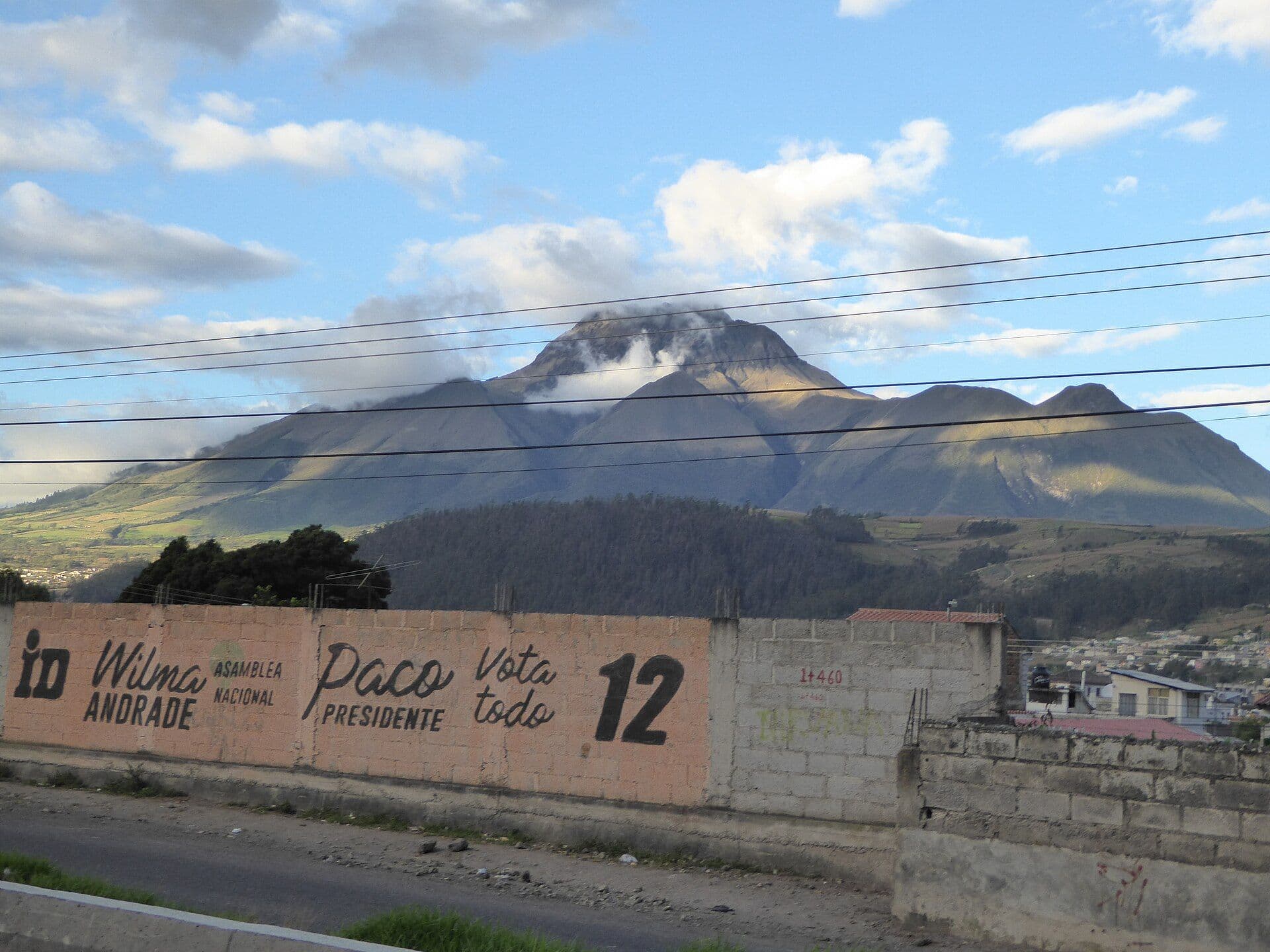
Otavalo: Taita Imbabura and Mama Cotacachi
Two mountains face to face, husband and wife. When their clouds meet, say the Kichwa Otavalo, they are visiting each other.
Nature & Geography·Ecuador
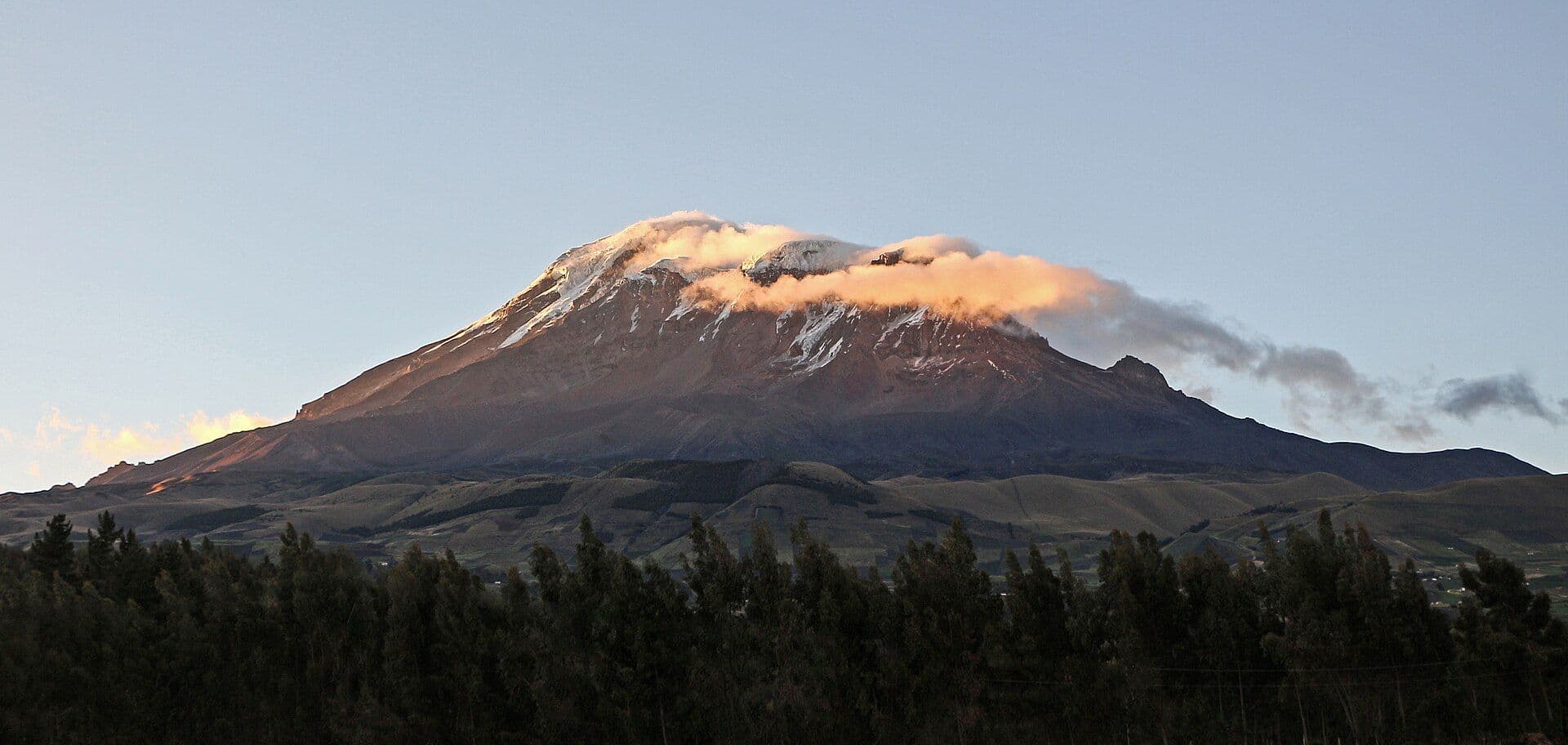
Chimborazo and Tungurahua: Ecuador’s volcano love story
Taita Chimborazo won a war of giants for the love of Mama Tungurahua. Their son, people say, is Guagua Pichincha.
Nature & Geography·Ecuador
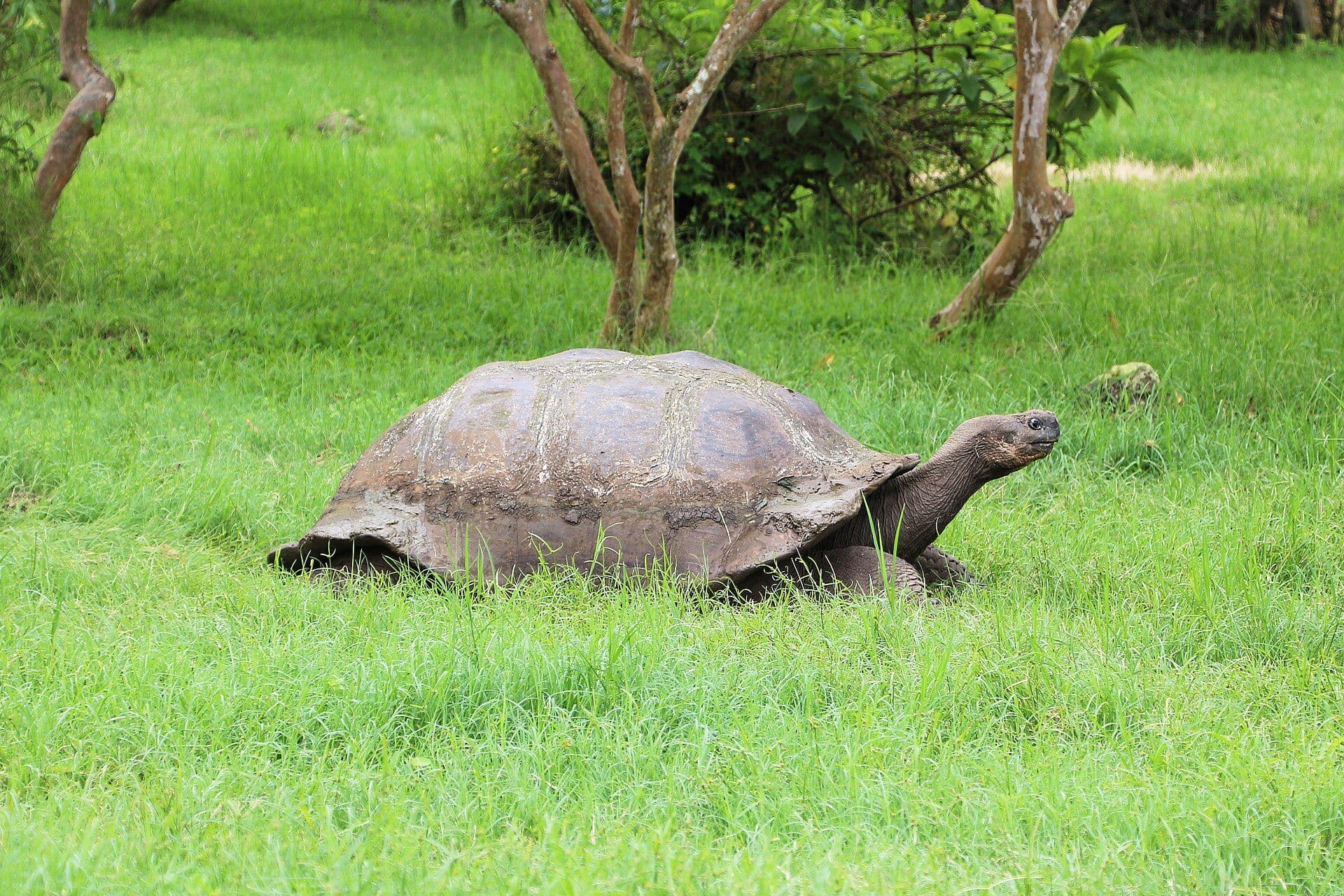
Galápagos, the islands that seemed to move
Sailors called them enchanted because currents and mist made them appear and disappear. A young naturalist saw something else in them.