Galápagos, the islands that seemed to move
Sailors called them enchanted because currents and mist made them appear and disappear. A young naturalist saw something else in them.
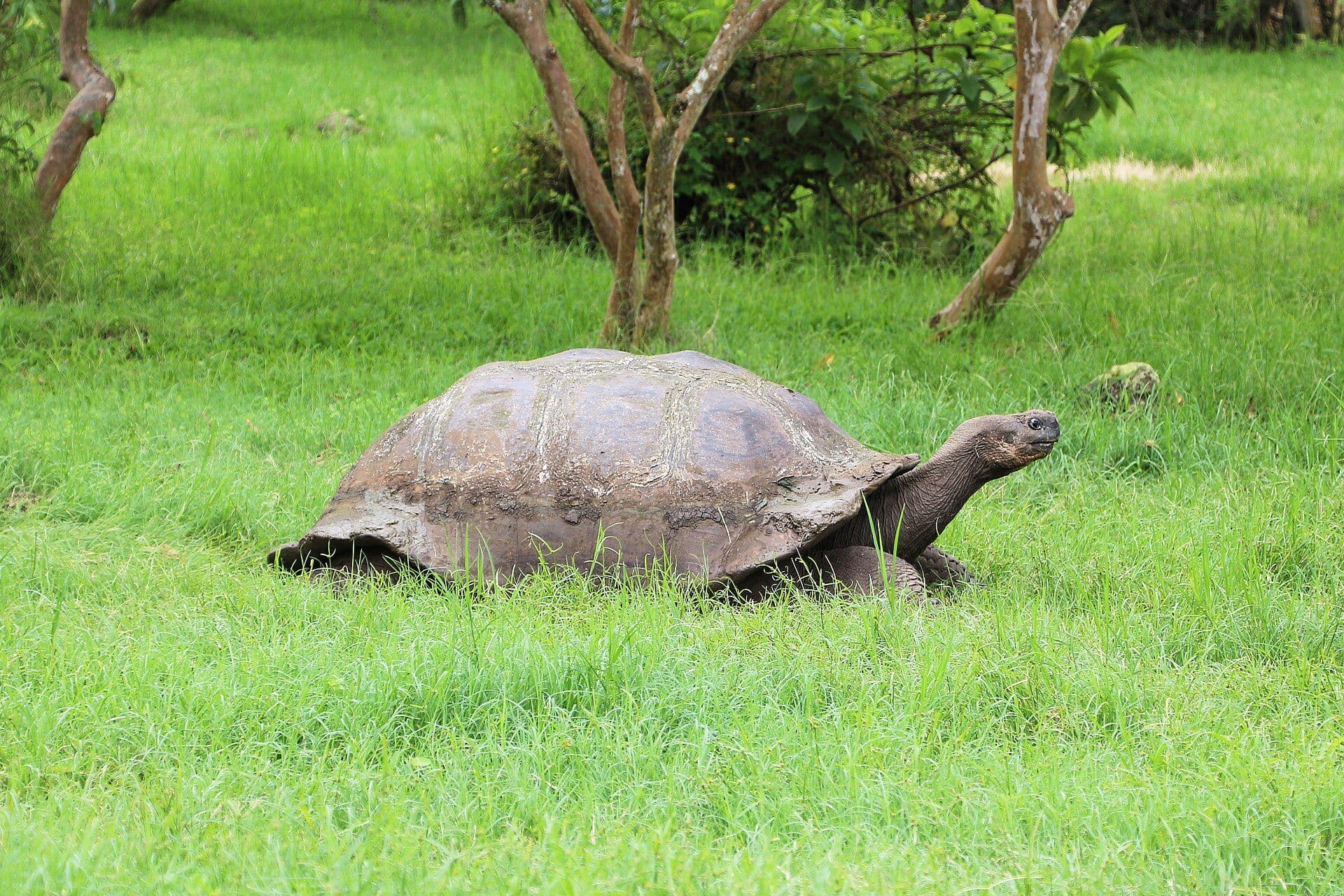
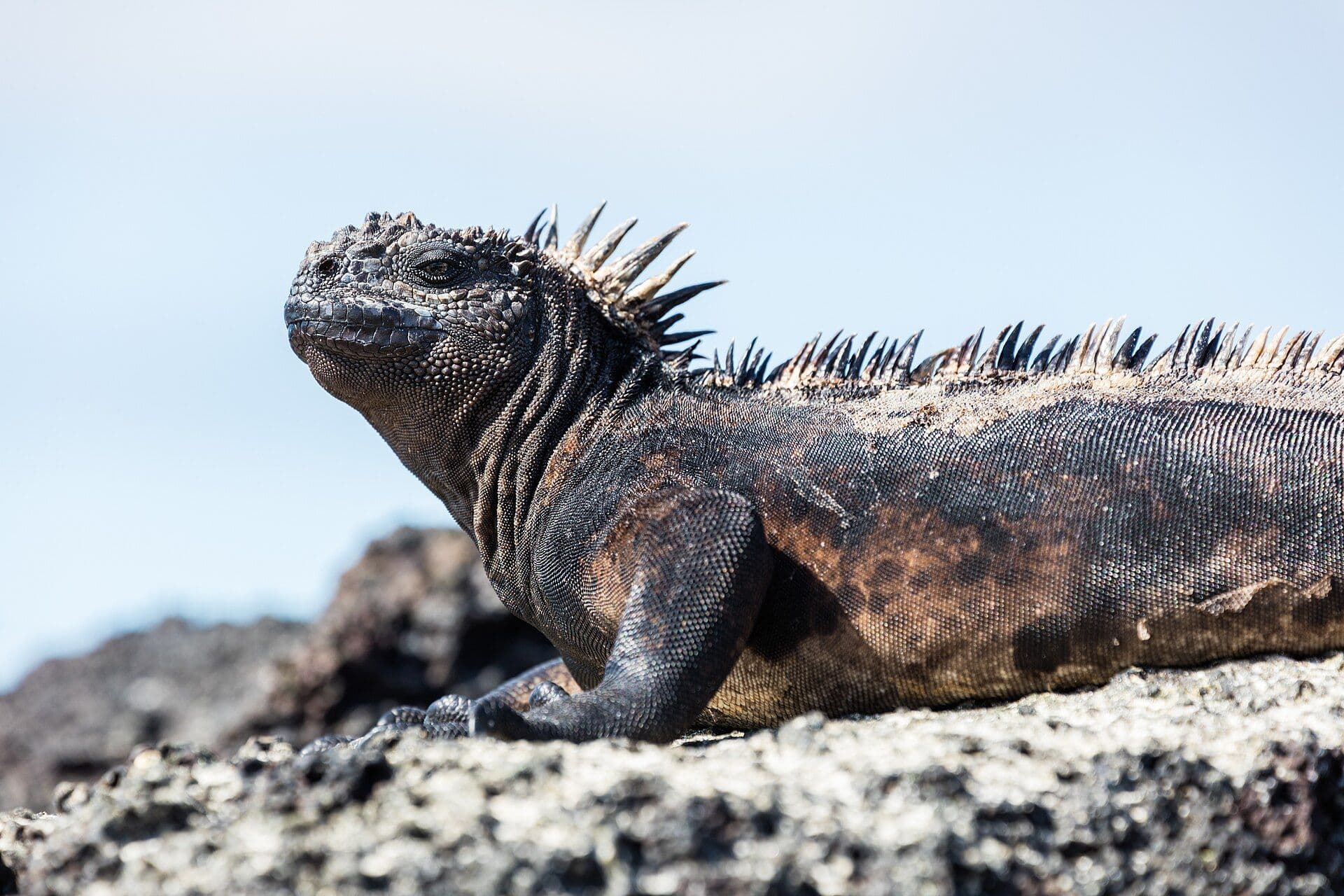
Nearly a thousand kilometres off the coast of Ecuador, the Galápagos rose from the sea as volcanoes. Their animals have no fear of people: giant tortoises, iguanas that feed in the ocean, birds that nest at the edge of the path. They became famous for what they taught science, but their human story is full of pirates, castaways and legends.
Found by accident
In 1535 a ship carrying Fray Tomás de Berlanga, bishop of Panama, was becalmed and carried by currents far out to sea, where it came upon the islands. Its crew struggled to find water, and the bishop reported the giant tortoises, the galápagos that gave the islands their name.
Later sailors called them the Enchanted Islands: strong currents and frequent mist made it seem as if the islands moved and vanished. For two centuries they served pirates and whalers as a refuge and a larder, and the tortoises paid the price.
Five weeks that changed biology
In 1835 HMS Beagle spent about five weeks in the archipelago, with the young naturalist Charles Darwin on board. He noted that tortoises and mockingbirds differed from island to island. Those observations, developed over the following decades, fed into On the Origin of Species, published in 1859.
The Inca who sailed west
The chronicler Pedro Sarmiento de Gamboa wrote that the Inca prince Túpac Yupanqui sailed west with a fleet of rafts and reached two islands called Ninachumbi and Hahuachumbi. Some have identified them with the Galápagos. There is no archaeological evidence of an Inca presence on the islands, and the story is best read as a tradition whose destination remains unknown.
Plan your visit
Practical notes for travelling there. Conditions, schedules and prices change: check before you go.
- Base town
- Puerto Ayora (Santa Cruz) · Puerto Baquerizo Moreno (San Cristóbal)
- Best time to go
- Any time of year. December to May is warmer with calmer seas; June to November is cooler, with richer marine life thanks to the cold currents.
- Getting there
- Flights from Quito and Guayaquil land on Baltra (next to Santa Cruz) or San Cristóbal. Visitors pay the national park entrance fee and need a transit control card issued before departure. The islands are explored on cruises or by staying on the inhabited islands and taking day trips.
Good to know
- Many visitor sites can only be entered with a certified naturalist guide.
- Keep your distance from the animals and never feed them.
- Strict biosecurity rules apply to food and plants brought to the islands.
Related stories
Nature & Geography·Ecuador
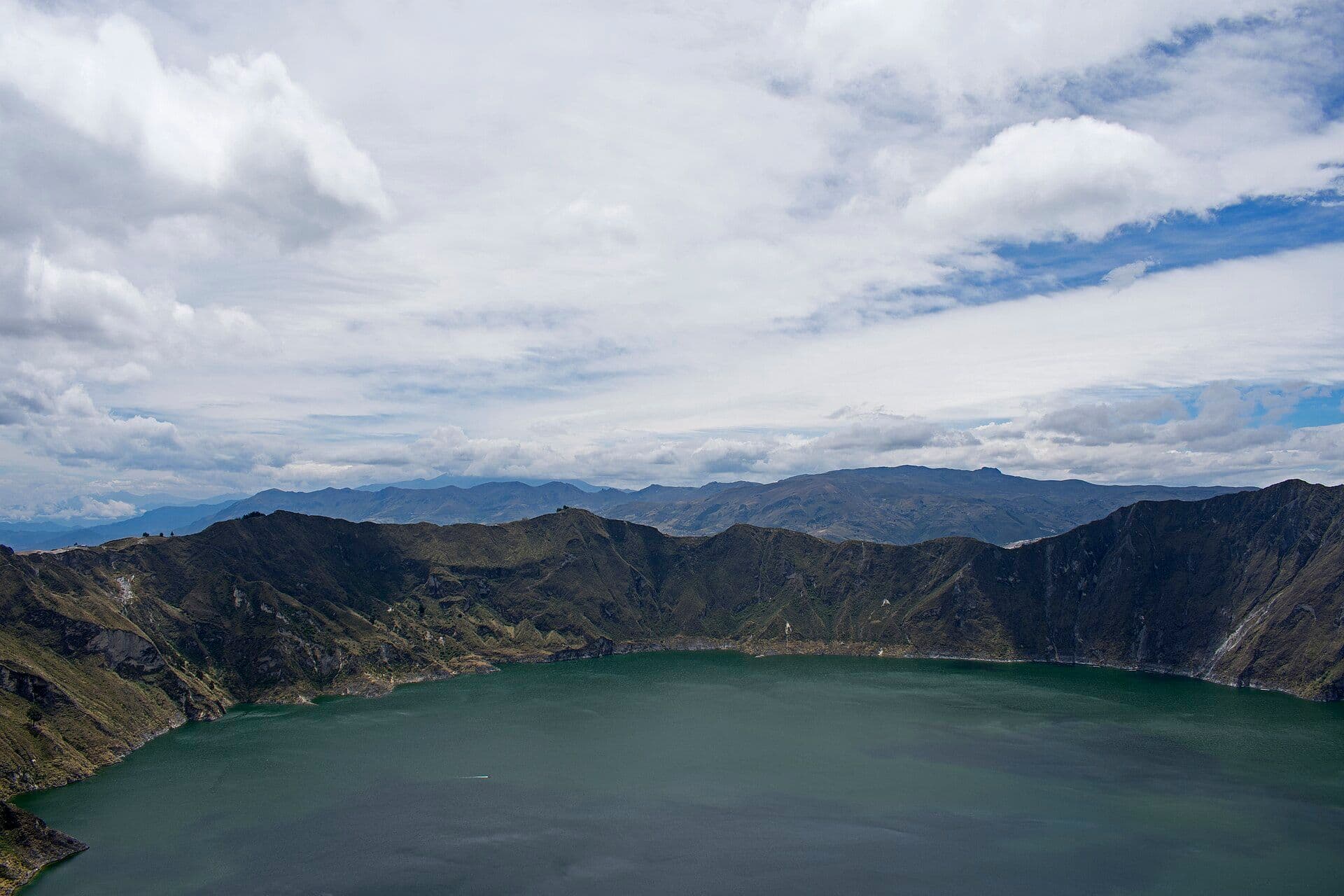
Quilotoa Lagoon: the lake without a bottom
A crater of turquoise water in the Andes of Ecuador. The surrounding communities tell two very different stories about how it was born.
Culture & Traditions·Ecuador
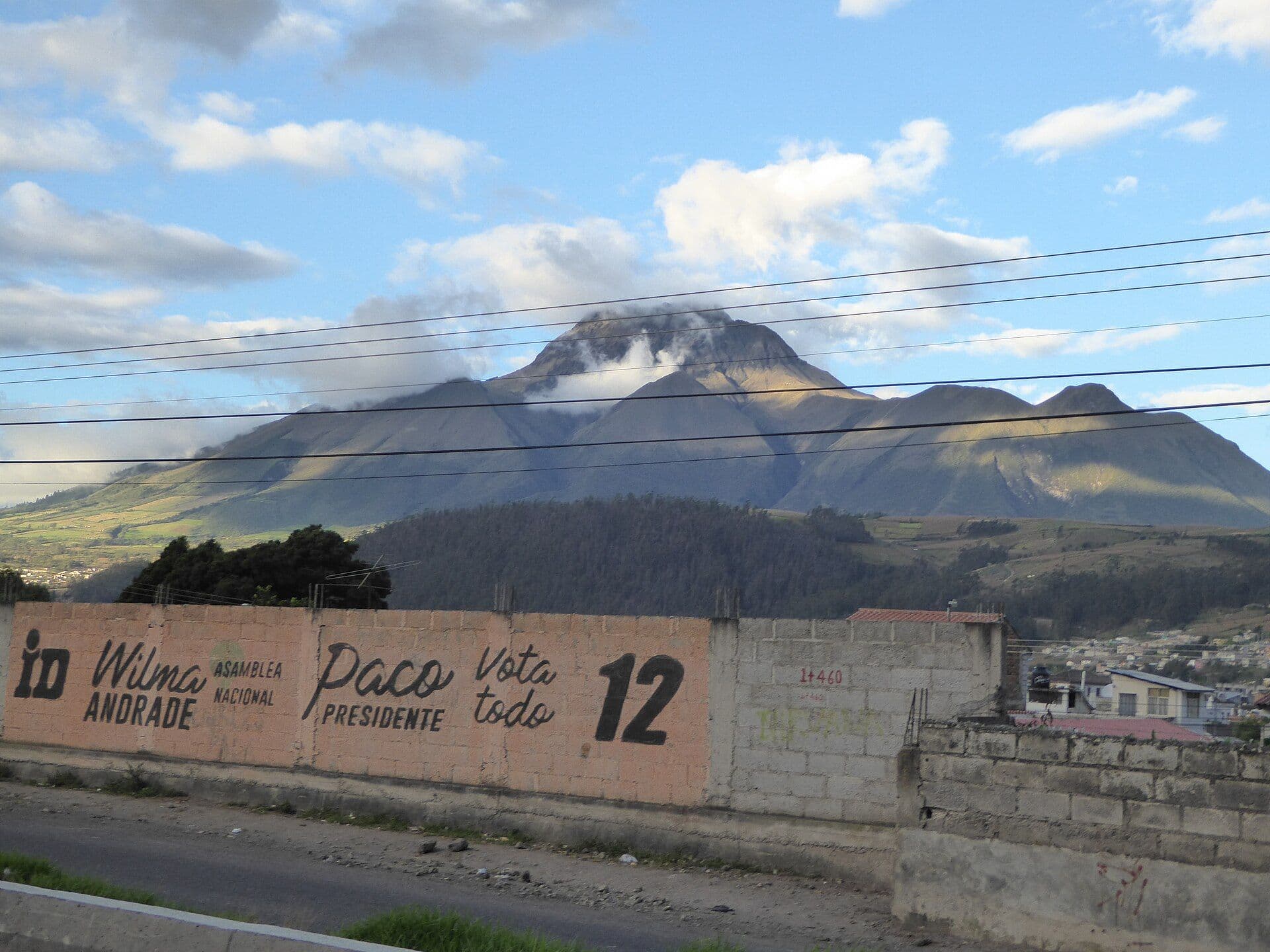
Otavalo: Taita Imbabura and Mama Cotacachi
Two mountains face to face, husband and wife. When their clouds meet, say the Kichwa Otavalo, they are visiting each other.
Nature & Geography·Ecuador
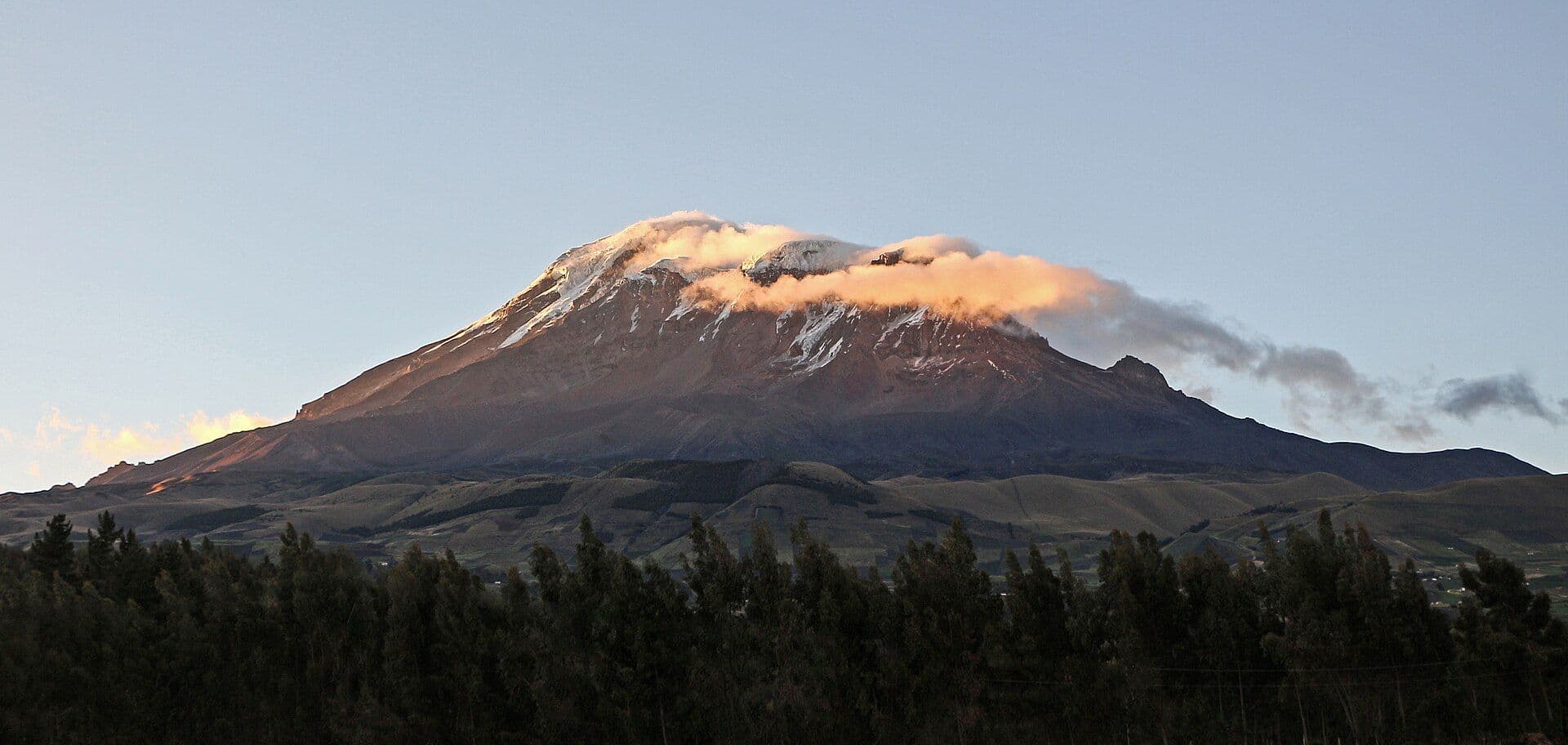
Chimborazo and Tungurahua: Ecuador’s volcano love story
Taita Chimborazo won a war of giants for the love of Mama Tungurahua. Their son, people say, is Guagua Pichincha.