Isla Mujeres and Cozumel: the sanctuary of Ixchel
When the Spanish arrived in 1517 they found an island full of female figures. They belonged to the goddess of the moon.
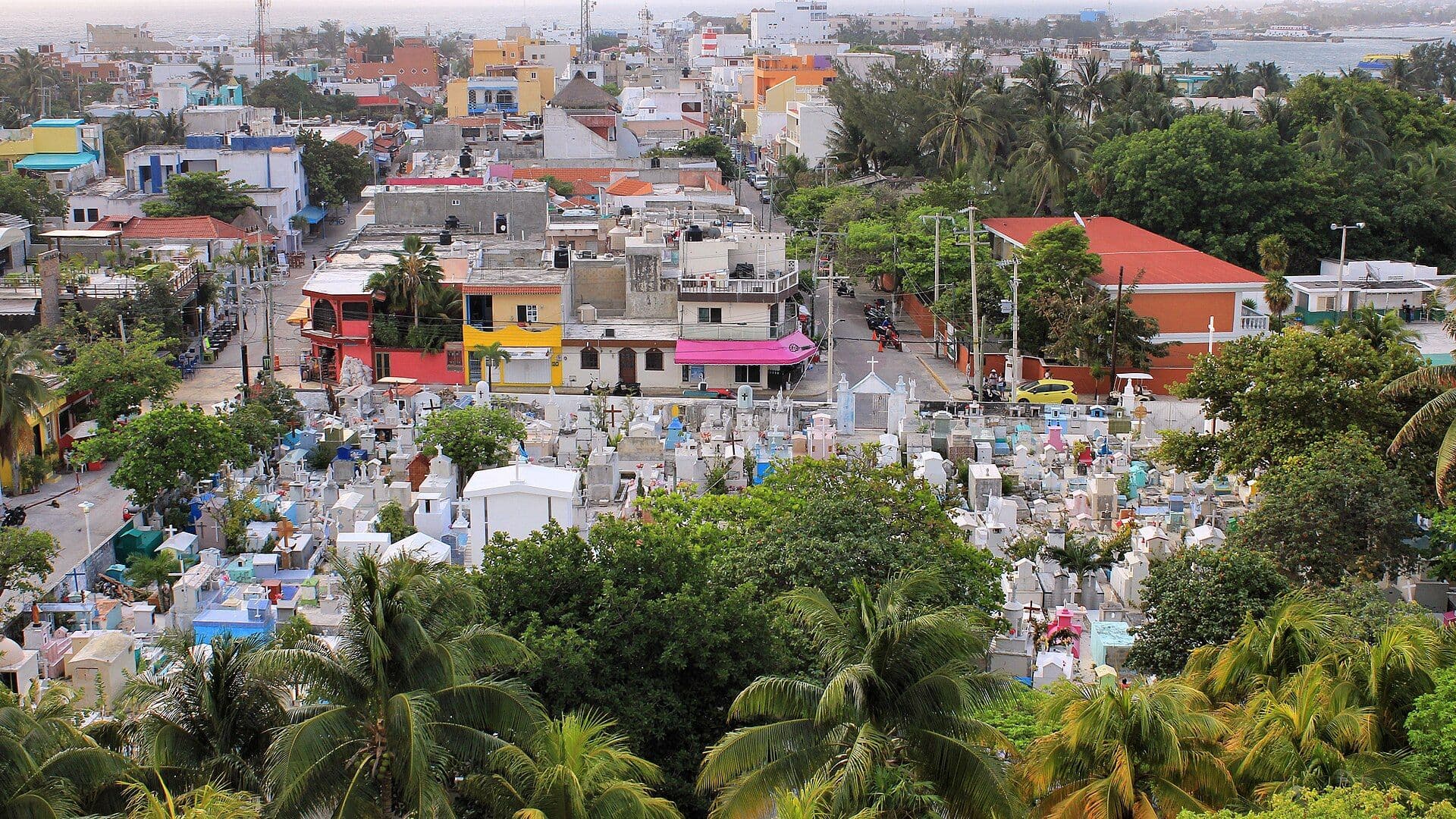
Off the coast of Cancún lie two islands that now receive millions of visitors: Isla Mujeres and Cozumel. More than 500 years ago they were Maya pilgrimage sites dedicated to Ixchel, goddess of the moon, fertility, childbirth and weaving.
Ixchel
Ixchel (“Lady Rainbow”, according to one interpretation of her name) was worshipped by Maya women who prayed for children, safe childbirth and health. In the codices she sometimes appears as an old woman pouring water from a jar, and also as a young goddess linked to the moon. Maya women crossed by canoe to Cozumel (Cuzamil, “land of swallows”) to visit her sanctuary.
The women of the island
In 1517 the expedition of Francisco Hernández de Córdoba reached the island off the coast and found many female figurines in its temples. According to tradition, that is where the name Isla Mujeres, “Island of Women”, comes from. Some historians point out that it is not known for certain who gave the name, but the link with goddess figures is well established.
On Cozumel, the archaeological site of San Gervasio was an important ceremonial centre of the cult of Ixchel. At the southern tip of Isla Mujeres, at Punta Sur, stand the remains of a small Maya temple traditionally associated with Ixchel.
Plan your visit
Practical notes for travelling there. Conditions, schedules and prices change: check before you go.
Good to know
- Isla Mujeres: ferry from Cancún (about 20 minutes). Punta Sur and its temple, Playa Norte.
- Cozumel: ferry from Playa del Carmen. The archaeological site of San Gervasio and reefs for diving.
Related stories

Nature & Geography·Mexico
The Tule Tree: the tree planted by the priest of the wind
The widest trunk in the world grows in a village in Oaxaca. The Zapotecs say a priest of Ehecatl planted it 1,400 years ago.
Peoples & Communities·Mexico
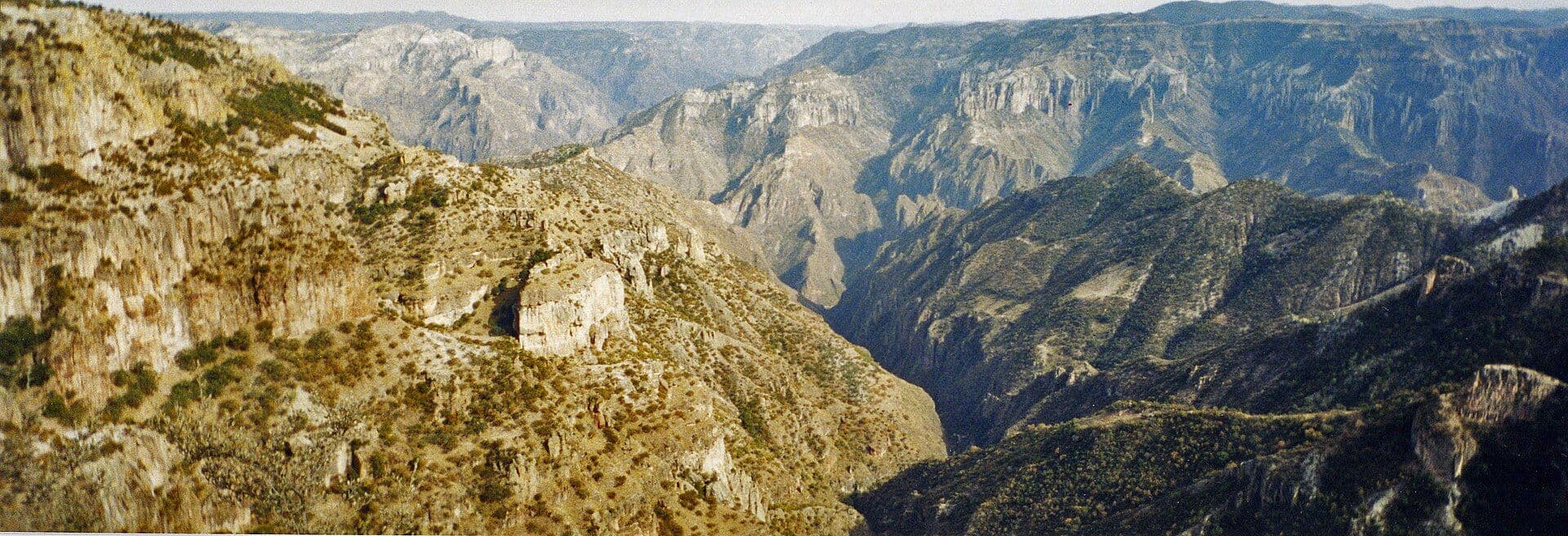
Copper Canyon: how Onorúame created the Rarámuri
In Mexico’s deepest canyons live the “light-footed” people. Their god made them from clay.
Extraordinary Places·Mexico
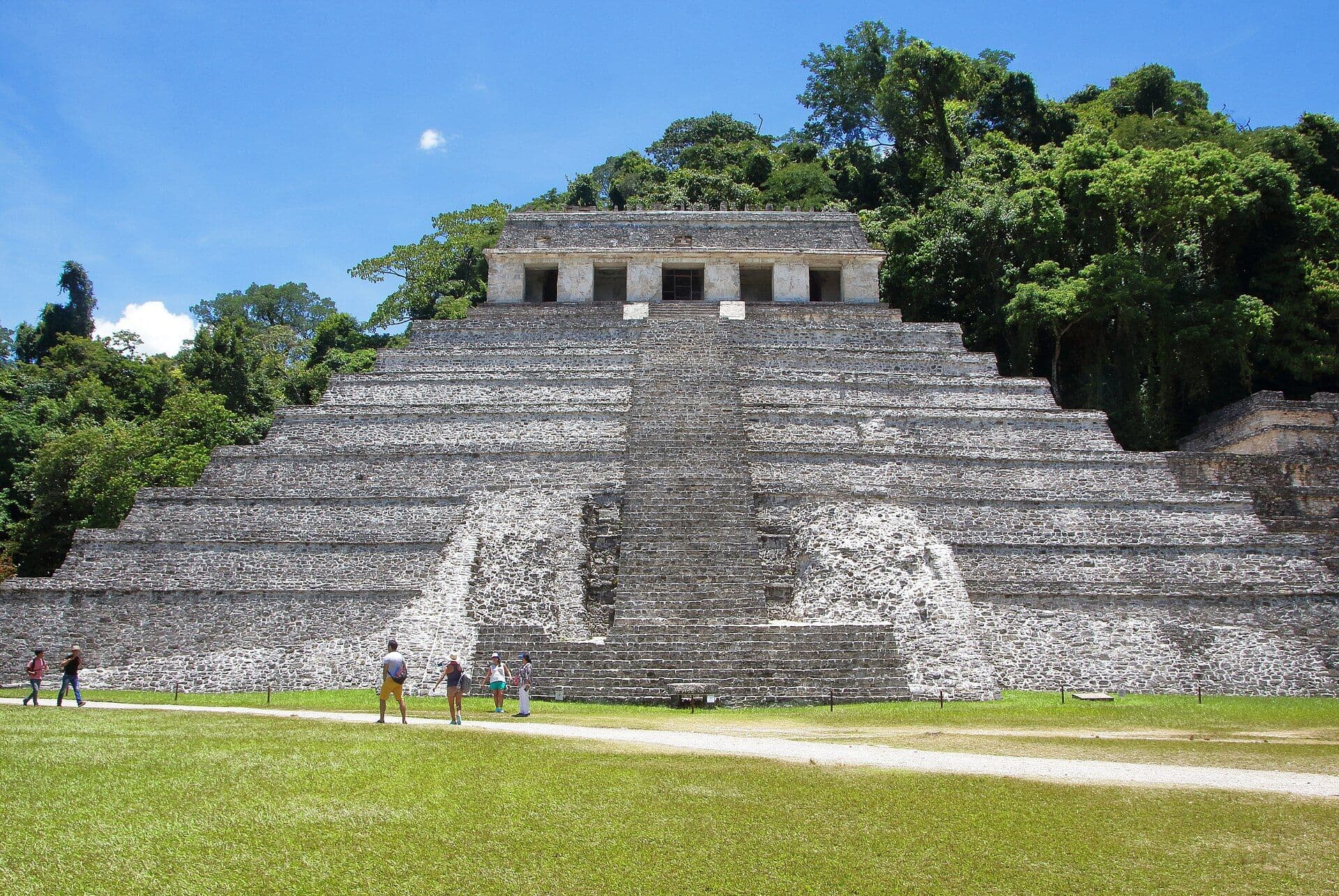
Palenque: Pakal, the king who went down to Xibalba (and was no astronaut)
In 1952 an archaeologist found a secret stairway inside a pyramid. At the bottom waited a Maya king, and his tomb lid sparked one of the most famous modern myths.