The cenotes of Yucatán: the gates of Xibalba
For the Maya, these pools of crystal-clear water were entrances to the underworld. Today they are among the most visited landscapes in Mexico.
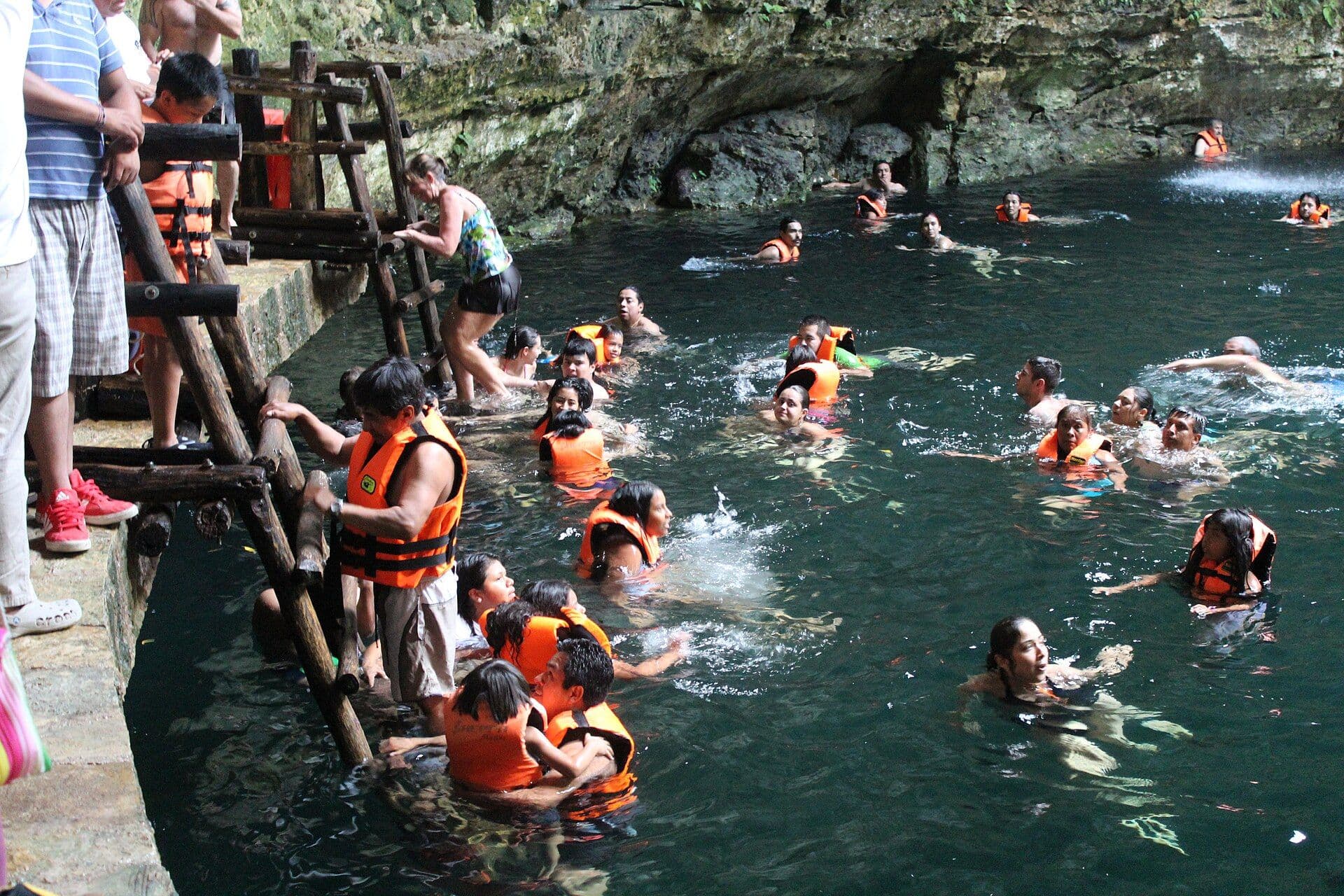
The Yucatán Peninsula has no rivers on the surface: all its water runs underground, through caves and subterranean rivers. Where a cave roof collapses, a cenote appears (from the Maya *ts’ono’ot*). For the Maya they were sources of life and, at the same time, openings to Xibalba, the world below.
Xibalba
In the Popol Vuh, Xibalba is the underworld ruled by the lords of death, with its houses of trials and its rivers of blood and pus. It was reached by going down paths and stairways into the depths. Caves and cenotes, dark and full of water, were the natural gateways to that world and the dwelling places of the chaacs, the rain gods. That is why offerings were left there. (See the story of the Hero Twins on the Tikal page.)
The offerings
Friar Diego de Landa (c. 1566) wrote that living people and valuable objects were thrown into the Sacred Cenote of Chichén Itzá in times of drought.
Between 1904 and around 1910, Edward H. Thompson dredged that cenote and recovered jade, gold, copal, pottery and human remains.
Present-day underwater archaeology (for example the Gran Acuífero Maya project) has found offerings, human remains and extinct animals in flooded caves across the peninsula.
The science
The so-called Ring of Cenotes around Mérida follows the rim of the Chicxulub crater, left by the asteroid impact that about 66 million years ago contributed to the extinction of the dinosaurs. The limestone fractured by the impact helped the cenotes to form.
Plan your visit
Practical notes for travelling there. Conditions, schedules and prices change: check before you go.
Good to know
- Famous cenotes: Ik Kil (next to Chichén Itzá), Suytún, Dos Ojos and Gran Cenote (Tulum), Xkeken and Samulá (Valladolid), and the cenotes of Cuzamá and Homún (near Mérida).
- Shower before going in and do not use sunscreen or repellent: they pollute the aquifer.
- Many cenotes are run by local Maya communities.
Related stories

Nature & Geography·Mexico
The Tule Tree: the tree planted by the priest of the wind
The widest trunk in the world grows in a village in Oaxaca. The Zapotecs say a priest of Ehecatl planted it 1,400 years ago.
Peoples & Communities·Mexico
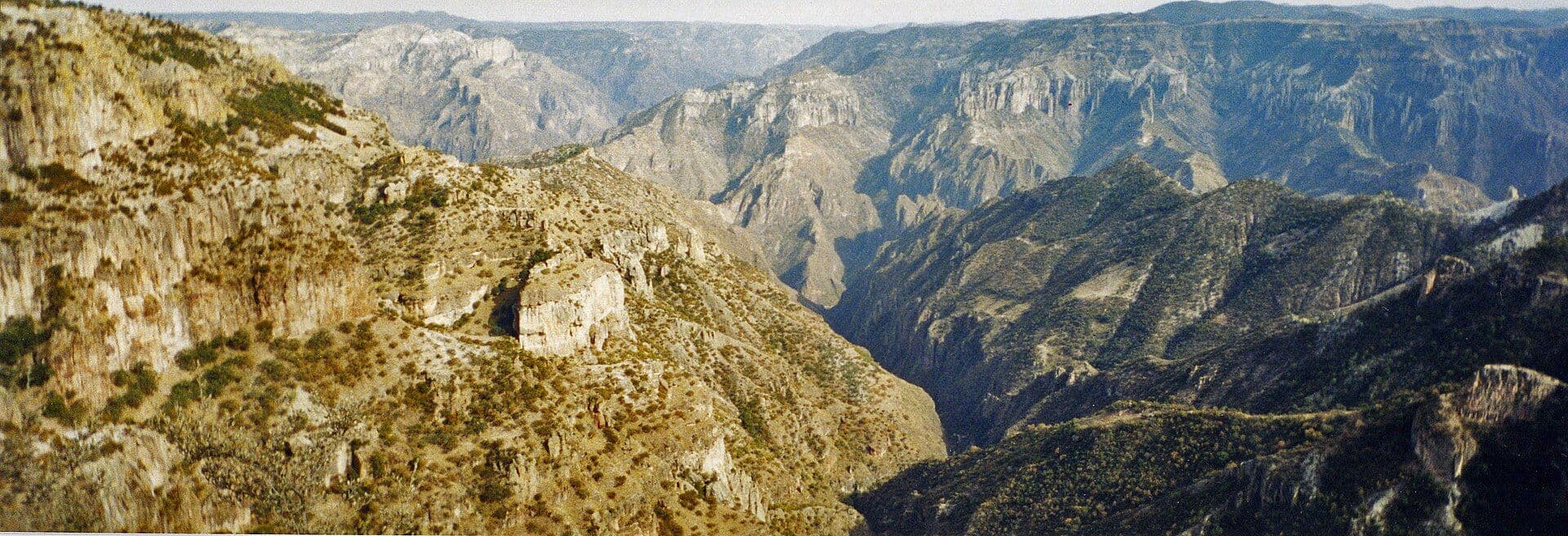
Copper Canyon: how Onorúame created the Rarámuri
In Mexico’s deepest canyons live the “light-footed” people. Their god made them from clay.
Extraordinary Places·Mexico
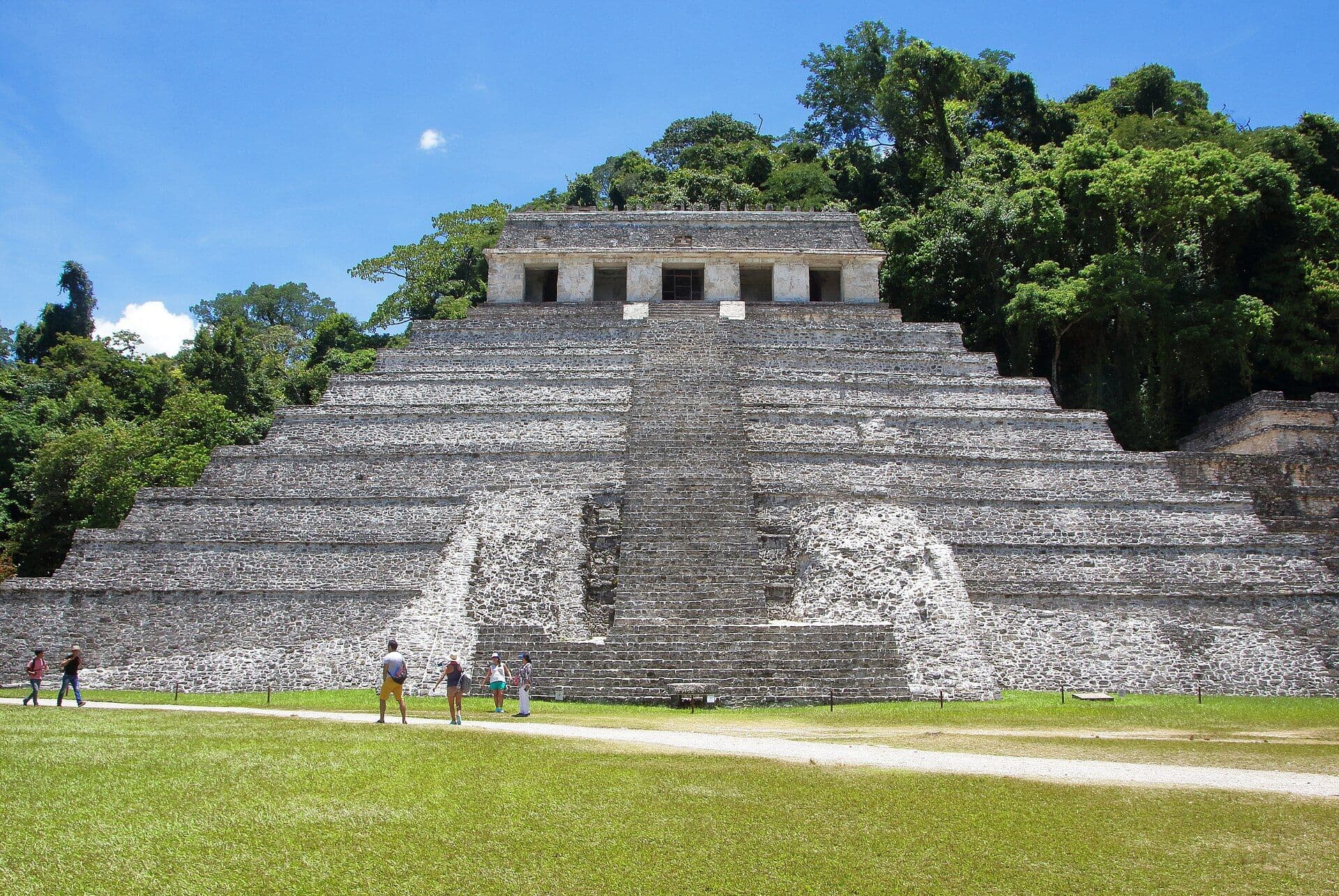
Palenque: Pakal, the king who went down to Xibalba (and was no astronaut)
In 1952 an archaeologist found a secret stairway inside a pyramid. At the bottom waited a Maya king, and his tomb lid sparked one of the most famous modern myths.