The Catatumbo Lightning: a silent storm over Lake Maracaibo
On most nights of the year the sky over the mouth of the Catatumbo river flashes without thunder. The Barí say it is not lightning at all.
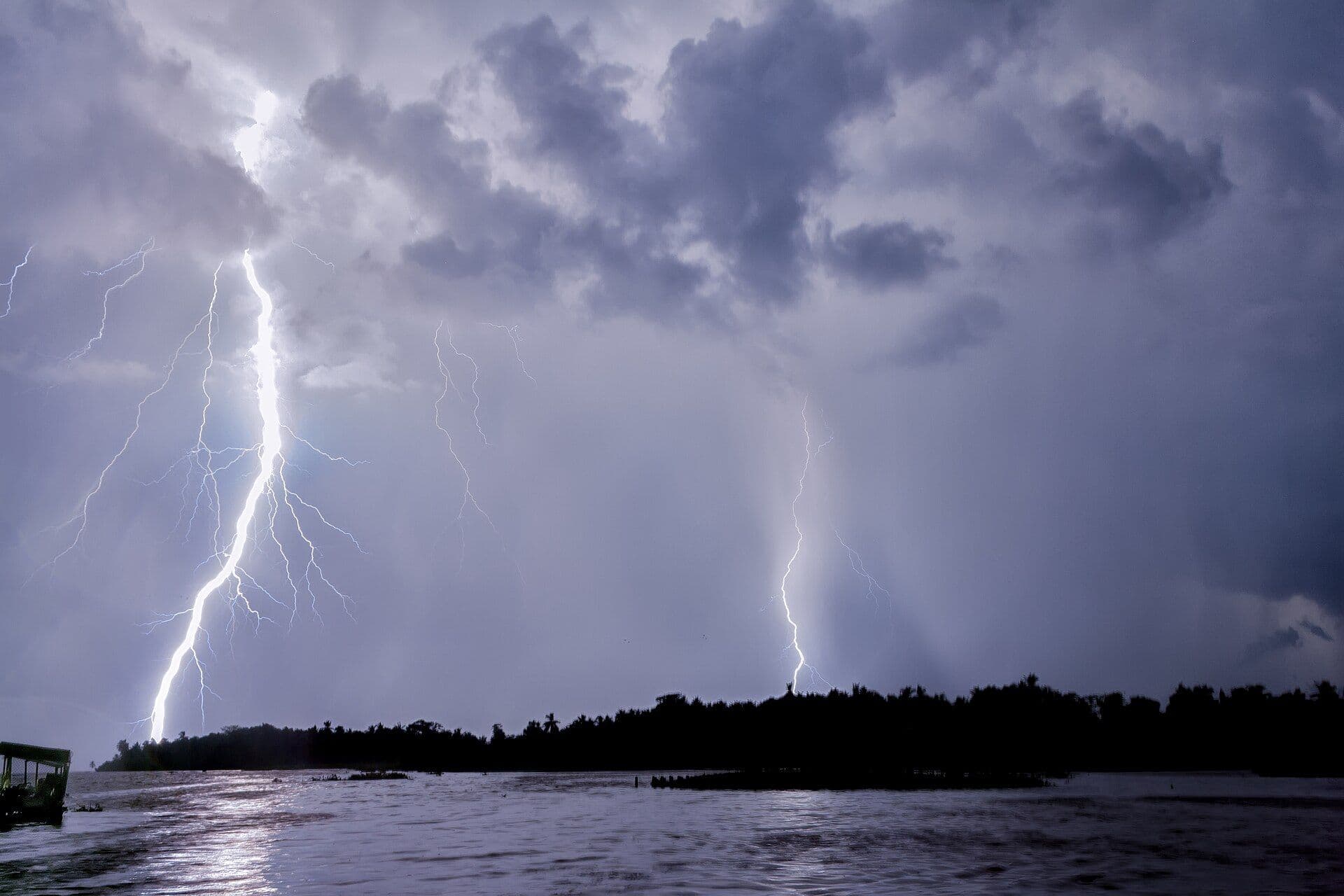
Where the Catatumbo river enters Lake Maracaibo, in western Venezuela, the night sky lights up again and again, for hours, often without a sound reaching the shore. Sailors have used it as a lighthouse for centuries. Scientists have measured it as the place with the most lightning on Earth.
Why here
Lake Maracaibo is a basin of warm, humid air enclosed between the Andes of Mérida and the Sierra de Perijá. At night, cool air flows down from the mountains and collides with that heat over the swamps of the Catatumbo delta. The warm air rises, clouds tower up and the storm ignites, night after night, in the same place.
Satellite data analysed by NASA identified Lake Maracaibo as the spot with the highest concentration of lightning on the planet. Seen from a distance, the thunder does not carry, which is why the storm often appears silent.
The fireflies of the Barí
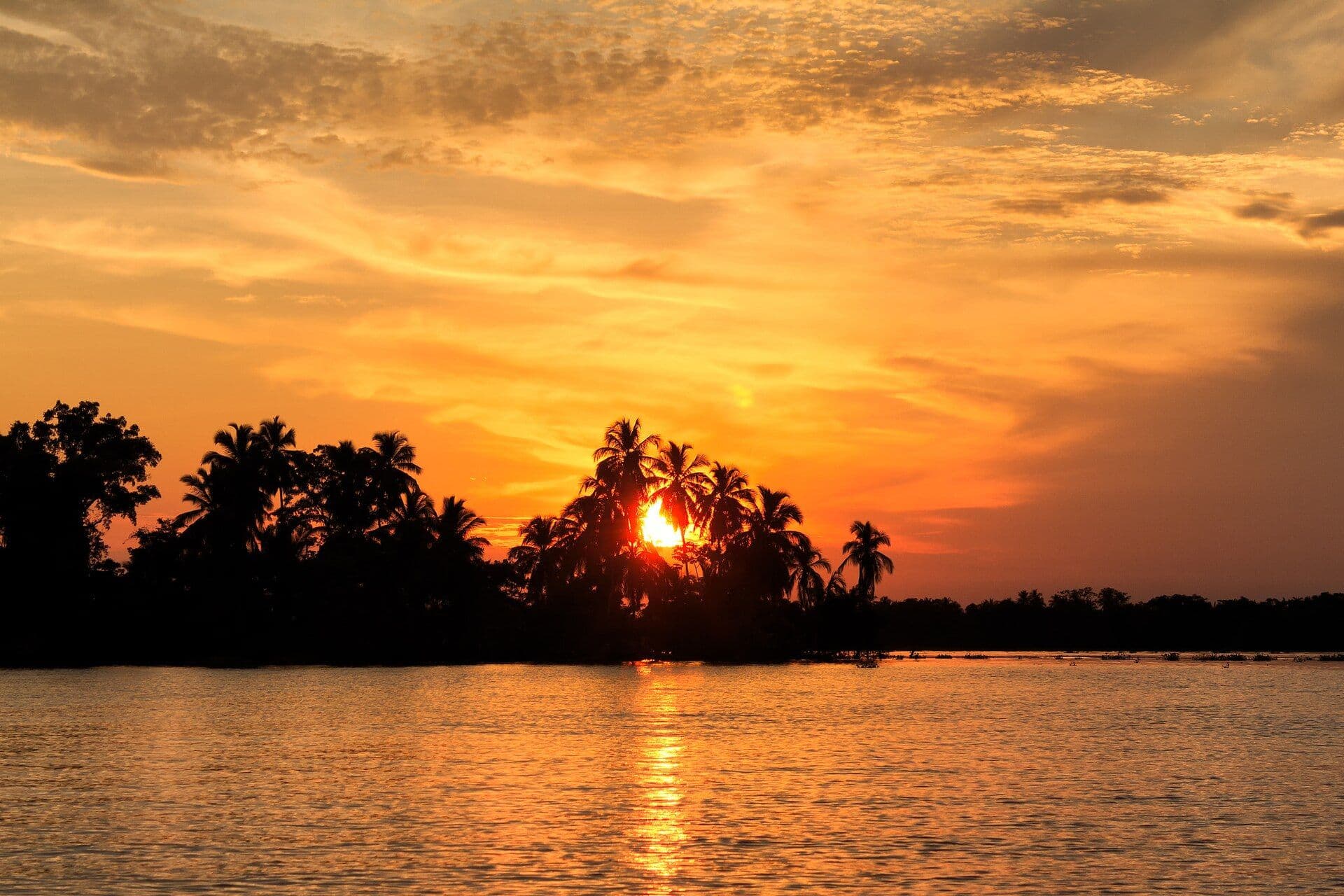
The Barí, who have lived in the forests of this region since long before the arrival of Europeans, are said to tell it differently: it is not lightning, but millions of fireflies gathering over the swamp to light the way for the ancestors who made them. This version is widely repeated, but we have not found it in a direct ethnographic source, so we tell it as it is told: as something people say.
The night the lighthouse went out
In 2010 a severe drought linked to El Niño interrupted the lightning for several weeks, an absence that made the news in Venezuela. Then the storms returned. For the people of the lake, the episode was a reminder of how much the light is part of their landscape.
Plan your visit
Practical notes for travelling there. Conditions, schedules and prices change: check before you go.
- Base town
- Maracaibo · Encontrados · Ologá (Zulia, Venezuela)
- Best time to go
- The lightning appears on most nights of the year; it is most frequent in the rainy months and weaker around January and February.
- Getting there
- The lightning is watched from the south-western shore of Lake Maracaibo, where the Catatumbo river enters it. Local tours leave from Maracaibo or Encontrados by road and boat, and some spend the night in stilt villages such as Ologá to see the storm.
Good to know
- Check your government’s travel advice before planning a trip to Zulia.
- Bring strong insect repellent.
- Clouds move: patience and a night on the water give the best chance.
Related stories
Culture & Traditions·Venezuela
Sorte Mountain: María Lionza, queen of the mountain
Daughter of a chief, guardian of the waters, riding a tapir. Thousands of Venezuelans climb her mountain in Yaracuy every year.
Nature & Geography·Venezuela
Mount Roraima: the tree of all fruits and the Makunaima brothers
The Pemón say Roraima is the stump of a giant tree that bore every fruit in the world — and that on one of its peaks the heroes who freed the Sun tied up their canoe.
Nature & Geography·Venezuela
Sierra Nevada de Mérida: the five white eagles
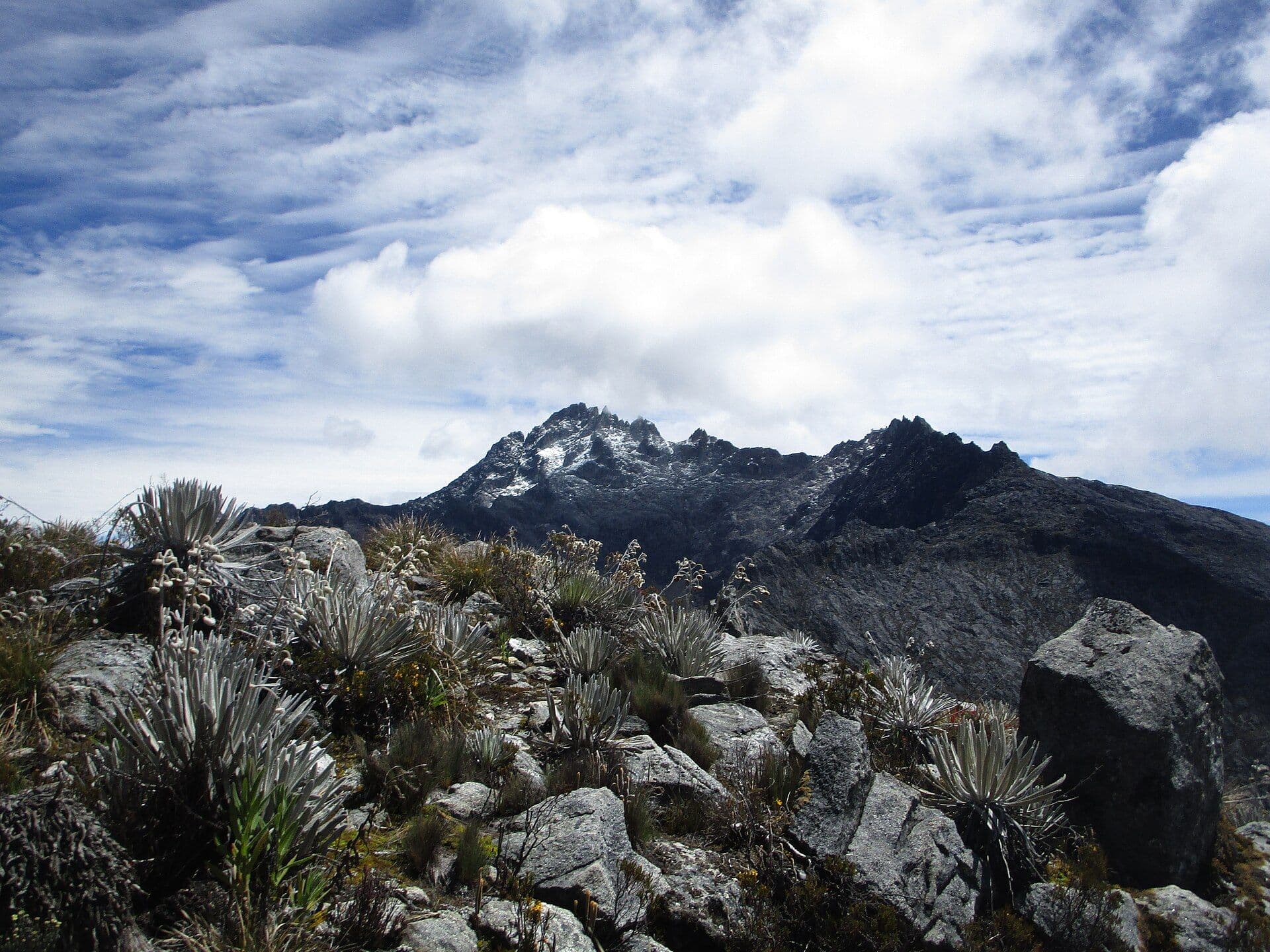
The snowy peaks of the Venezuelan Andes were once, the legend says, five eagles that Caribay tried to catch.