Ancient Civilizations·Guatemala
Tikal, the Maya city the jungle swallowed
For centuries its temples rose above the forest of Petén. Then the city emptied, and the trees closed over it.
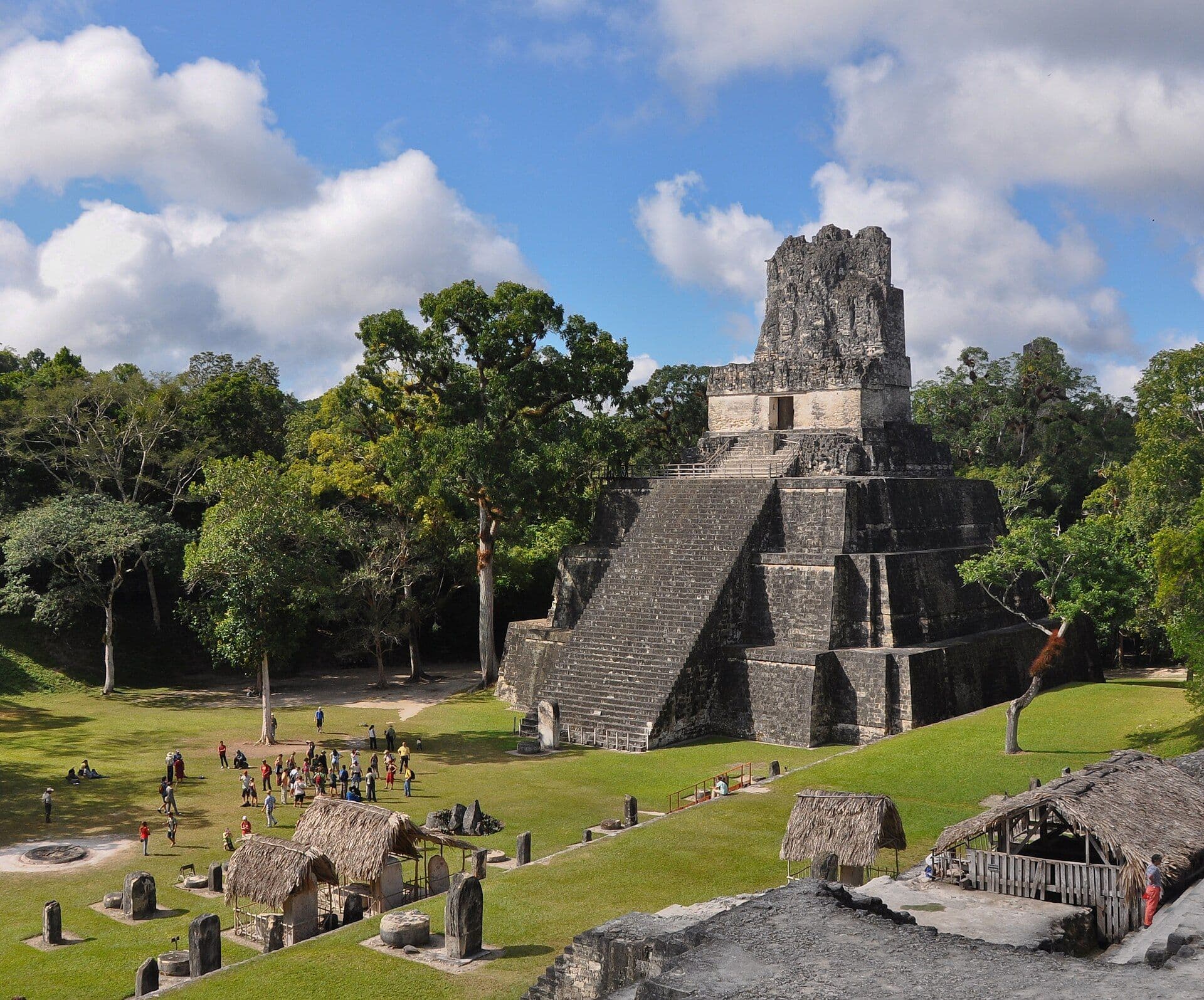
At dawn in Tikal, howler monkeys roar from the canopy and the roof combs of the great temples appear above the mist. This was one of the most powerful cities of the Classic Maya, the capital of a kingdom that waged long wars against its rivals. Today it lies in the middle of a protected rainforest in northern Guatemala.
A kingdom in the forest
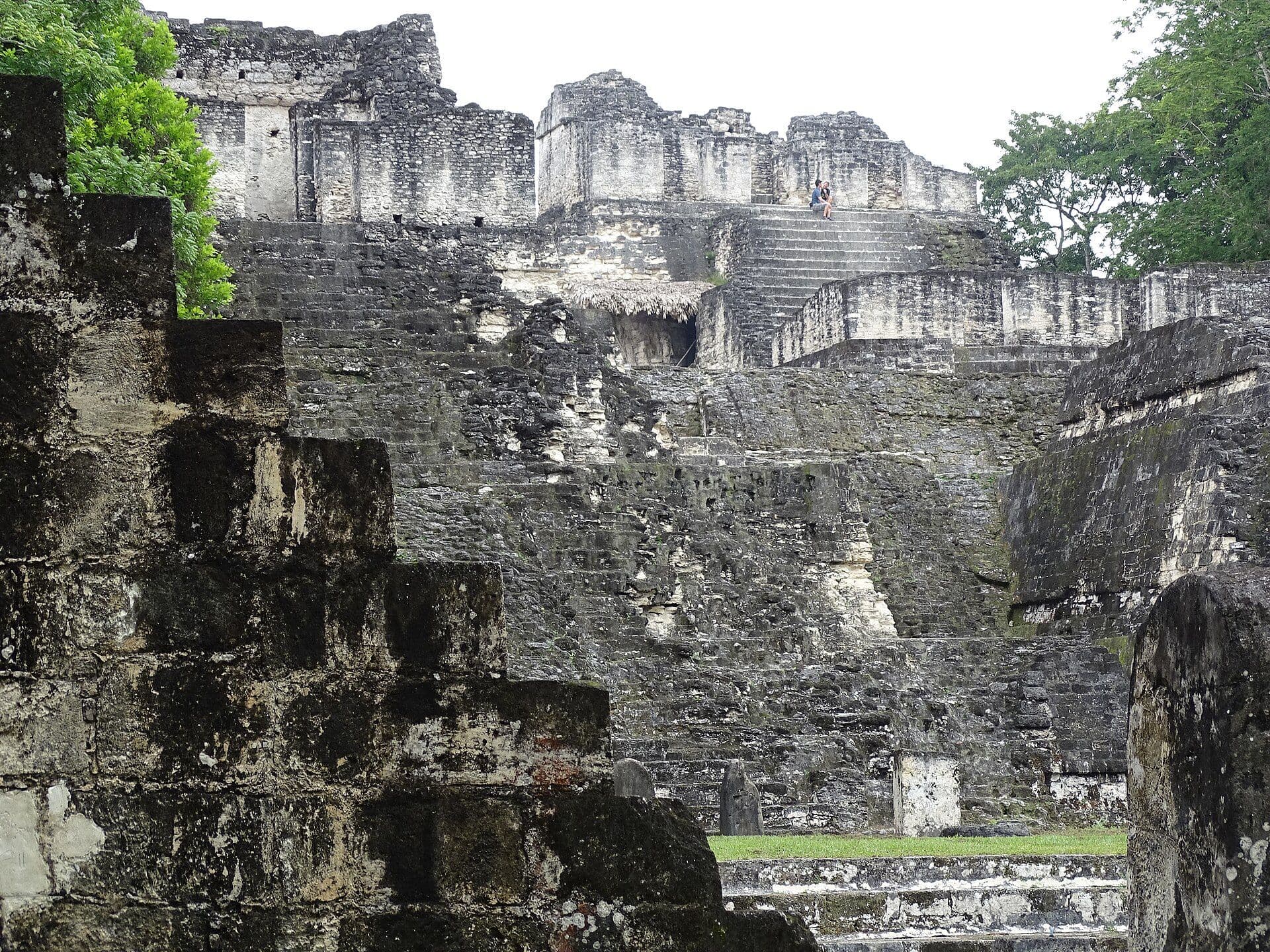
Tikal was inhabited for well over a thousand years. In the Classic period it became the centre of a powerful kingdom, ruled by dynasties whose names and deeds are carved on its stone monuments. Inscriptions record its long rivalry with Calakmul, a struggle that shaped the politics of the Maya lowlands for generations.
Temple I, which closes the east side of the Great Plaza, was built as the funerary monument of the ruler Jasaw Chan K’awiil I in the eighth century. Facing it stands Temple II, and beside them the North Acropolis, where centuries of royal burials were laid one over another.
The tree at the centre of the world
In Maya thought, the world was organised around a great tree whose roots reached the underworld and whose branches held up the sky. The ceiba, which still towers over the forest of Petén, is associated with that cosmic tree, and Maya communities continue to treat it with respect. Below lay Xibalba, the place of fear, whose lords appear in the K’iche’ book of the Popol Vuh.
Why did Tikal empty?
By the tenth century Tikal had been largely abandoned, along with many other cities of the southern lowlands. Researchers point to a combination of causes: prolonged droughts, pressure on the land from a large population, and constant warfare between kingdoms. The weight of each factor is still debated.
The Hero Twins and the journey to Xibalba
The brothers Hun Hunahpú and Vucub Hunahpú played ball so much that the noise annoyed the lords of Xibalba, the underworld. The lords invited them below and, after a series of rigged trials, killed them. Hun Hunahpú’s head was hung in a calabash tree.
A young woman of the underworld, Ixquic, came close to the tree; the head spat into her hand and she became pregnant. Driven out of Xibalba, she gave birth to the twins Hunahpú and Ixbalanqué.
When they were grown, the twins were also summoned to Xibalba. They survived the houses of trials — the dark house, the house of blades, of cold, of jaguars, of fire and of bats — thanks to their cunning. They let themselves be burned, came back as magicians and tricked the lords of death: the lords asked to be sacrificed and brought back to life, as in the twins’ tricks, but the twins did not revive them. They avenged their father and rose into the sky as the Sun and the Moon.
Plan your visit
Practical notes for travelling there. Conditions, schedules and prices change: check before you go.
- Base town
- Flores (Petén, Guatemala)
- Best time to go
- The dry season, roughly November to April. Early morning is coolest and the best time to see wildlife.
- Getting there
- Flores, on an island in Lake Petén Itzá, has the nearest airport (Mundo Maya, with flights from Guatemala City). Tikal National Park is about an hour and a half away by road; shuttles and tours leave daily, and a few lodges stand inside the park.
Good to know
- Sunrise and early tours are worth it: the jungle is loud with howler monkeys at dawn.
- Carry plenty of water and insect repellent.
- The site is large: wear good walking shoes.
Related stories
Nature & Geography·Guatemala
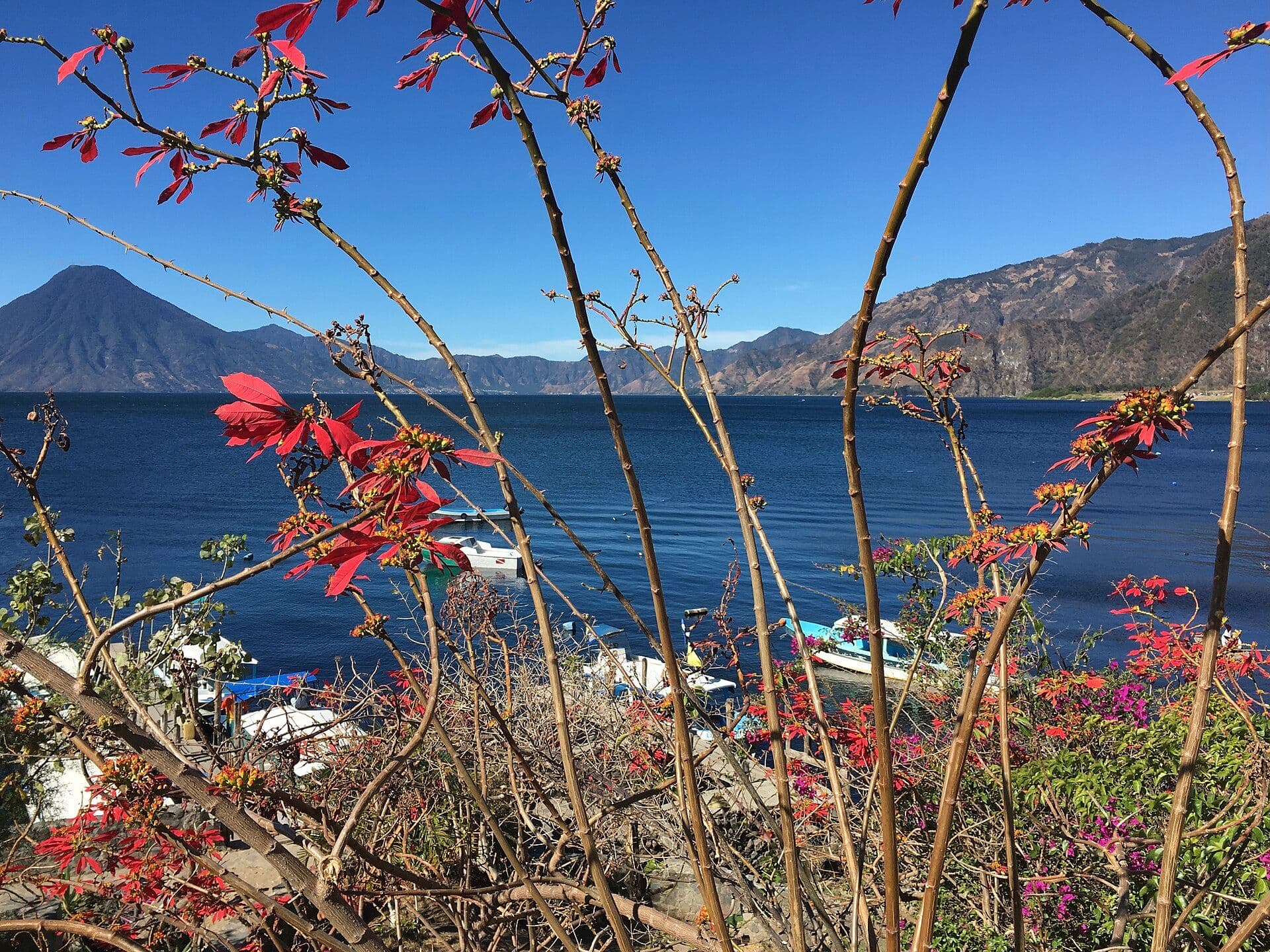
Lake Atitlán: the Xocomil, the wind that carries away sins
Every afternoon a strong wind raises waves on Guatemala’s most beautiful lake. The towns on its shore have a name and a legend for it.
Extraordinary Places·Mexico
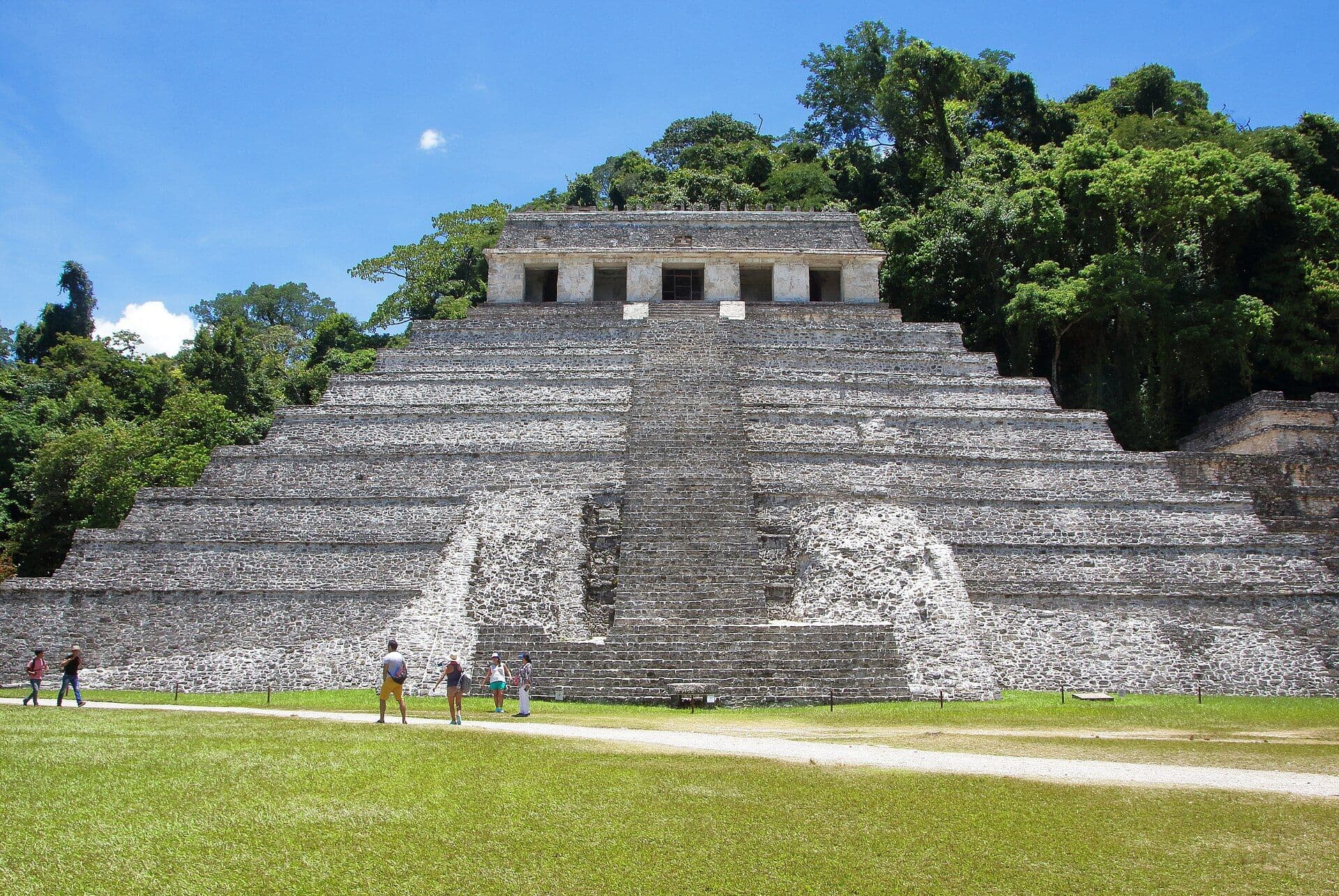
Palenque: Pakal, the king who went down to Xibalba (and was no astronaut)
In 1952 an archaeologist found a secret stairway inside a pyramid. At the bottom waited a Maya king, and his tomb lid sparked one of the most famous modern myths.
Extraordinary Places·Chile
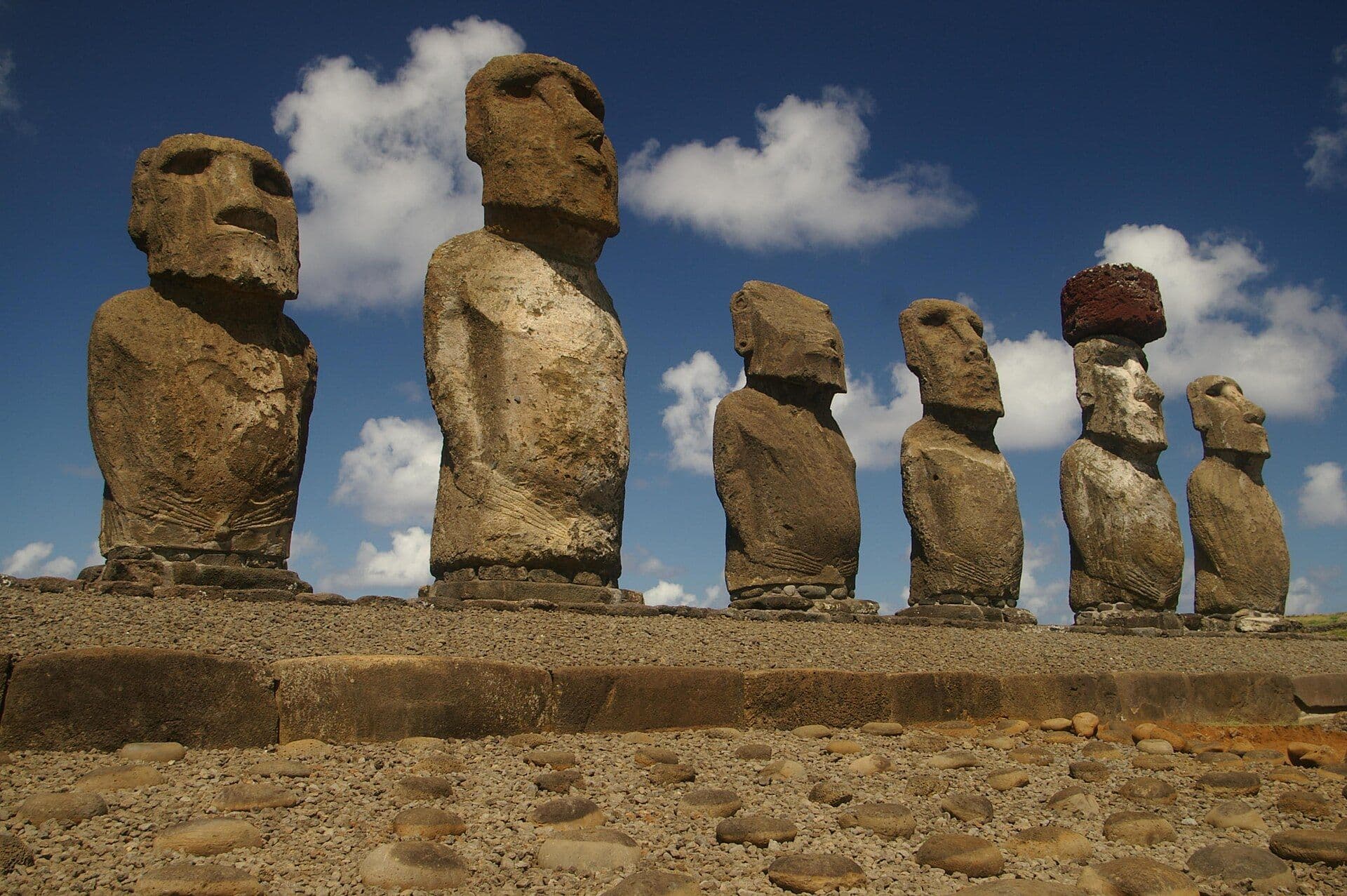
Easter Island: the dream of Hau Maka and the moai that walked
A spirit travelled in a dream to an island at the end of the world. Centuries later, the Rapanui say their statues walked.