Cerro Rico: the mountain that paid for an empire
Potosí’s silver flowed across the world for three centuries. Inside the mountain, miners still leave offerings to the Tío.
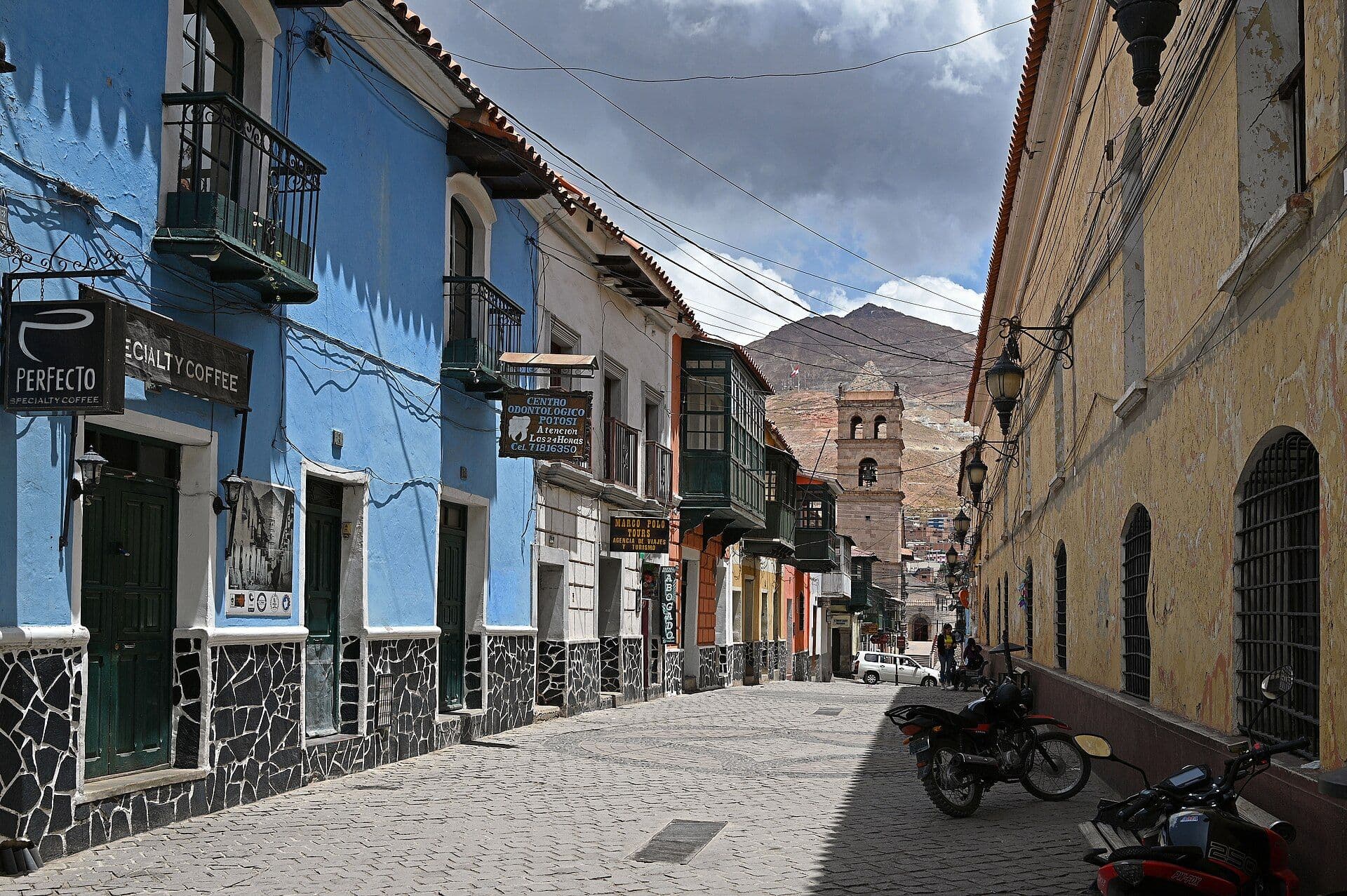
Seen from the streets of Potosí, the Cerro Rico is a reddish cone that seems too regular to be natural. For nearly five centuries people have dug into it. Its silver made Potosí one of the largest cities of its time and turned its name into a synonym for wealth. The cost of that wealth is part of the same story.
A discovery in 1545
Spanish records date the start of large-scale mining at the Cerro Rico to 1545. Tradition attributes the discovery to an Indigenous man named Diego Huallpa, who is said to have lit a fire on the mountain one cold night and seen threads of molten silver run from the rock. Other versions say he grabbed a shrub to stop himself falling and its roots tore up ore.
The details belong to legend, but the result is documented: within a few decades a city had grown at the foot of the mountain, at more than 4,000 metres, in one of the harshest climates of the Andes.
“Vale un Potosí.”
Silver for the world
In the late sixteenth and early seventeenth centuries Potosí was among the most populous cities in the Americas, with estimates that exceed one hundred thousand inhabitants. Its silver was minted into coins at the Casa de la Moneda, shipped to Spain and, through trade, reached as far as China. The phrase vale un Potosí, “it is worth a Potosí”, entered the Spanish language and appears in Cervantes.
Production depended on a technique of amalgamation with mercury, which allowed poorer ores to be processed, and on a system of forced labour reorganised by Viceroy Francisco de Toledo in the 1570s: the mita. Indigenous communities across a vast area had to send a share of their men to work in the mines and refineries for set periods.
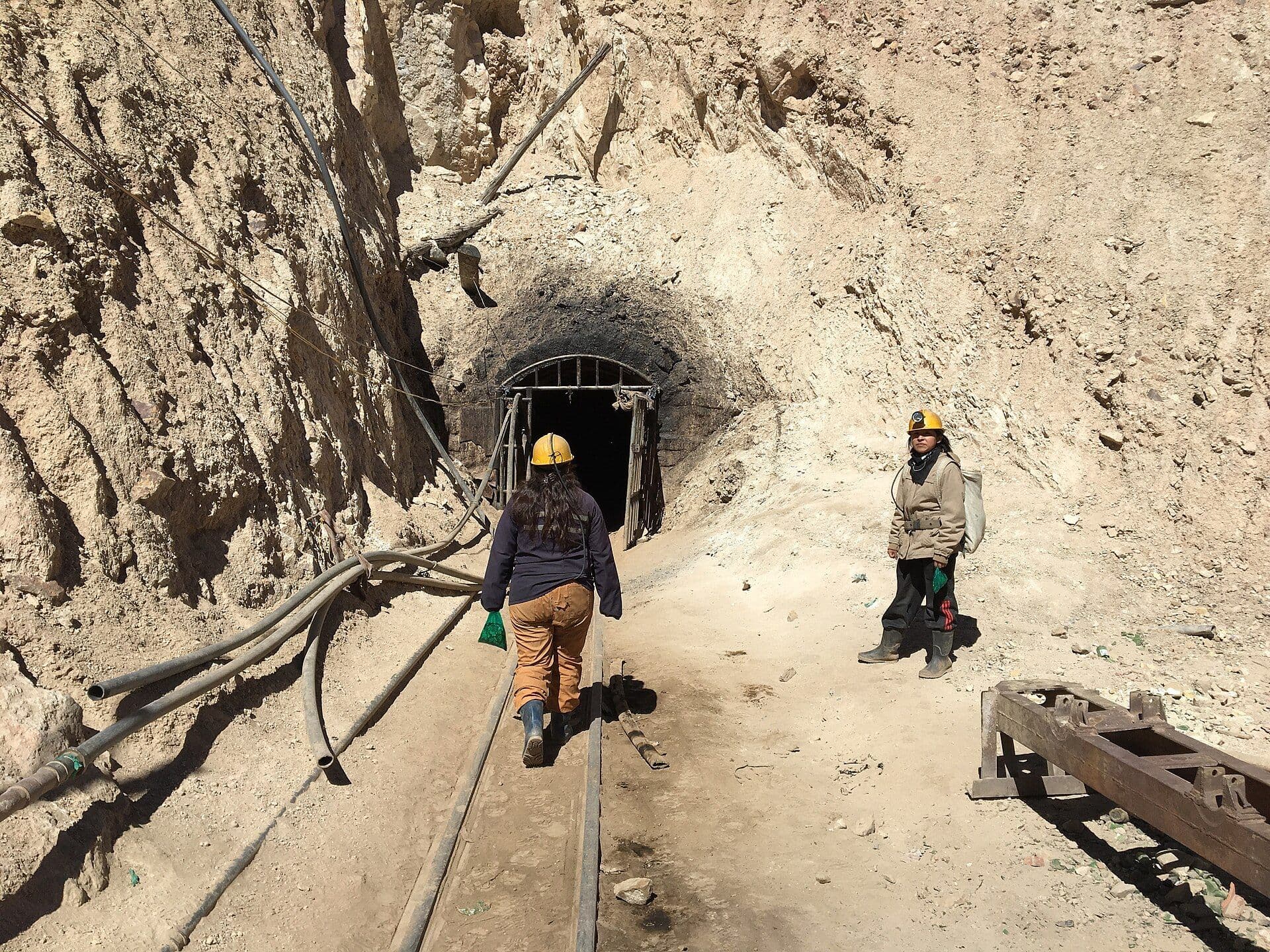
The Tío, lord of the underground
Inside the mine, the rules change. Miners in Potosí say that the mountain’s interior belongs to the Tío, a horned figure who owns the minerals and can grant rich veins or cause accidents. Statues of the Tío, modelled from clay with glass eyes, sit in the tunnels. Miners offer him coca leaves, cigarettes and strong alcohol, especially on Fridays, and talk to him as one would to a powerful and unpredictable relative.
Outside, in daylight, the same miners pray to the Virgin and the saints. The two worlds coexist: one for the surface, one for the underground, where Christian figures are said to have no authority.
A mountain at risk
Potosí was declared a UNESCO World Heritage Site in 1987. Since 2014 it has been on the list of World Heritage in Danger, largely because continued, uncontrolled mining threatens to destabilise the summit of the Cerro Rico. Thousands of people still work its tunnels today, many in cooperatives and in conditions that remain dangerous.
Plan your visit
Practical notes for travelling there. Conditions, schedules and prices change: check before you go.
- Base town
- Potosí (Bolivia)
- Best time to go
- The dry season, May to October. At over 4,000 m, Potosí is cold at night all year.
- Getting there
- Potosí is linked by road with Sucre (about three hours) and with Uyuni (about four hours), and by bus with La Paz. The historic centre, the Casa de la Moneda mint and the cathedral are walkable.
Good to know
- Mine visits are run with cooperative miners’ guides; they involve dust, heat, narrow tunnels and real risk. Think carefully before going in.
- The Casa de la Moneda museum explains the history of the silver.
- Potosí is one of the highest cities in the world: take the first day slowly.
Related stories
Extraordinary Places·Bolivia
The toborochi: the tree that shelters a mother (Santa Cruz, Bolivia)
Its trunk swells like a belly. The Guaraní know who is hiding inside.
Legends & Folklore·Bolivia
Lake Titicaca, where the Andean world began
For the Incas the sun and the first rulers rose from these waters. Archaeologists are still finding what earlier peoples left beneath them.

Nature & Geography·Bolivia
Salar de Uyuni: how an ancient lake became a desert of salt
The largest salt flat on Earth was once covered by enormous lakes. The Aymara tell a different story: the tears and milk of a mountain.