Lake Titicaca, where the Andean world began
For the Incas the sun and the first rulers rose from these waters. Archaeologists are still finding what earlier peoples left beneath them.
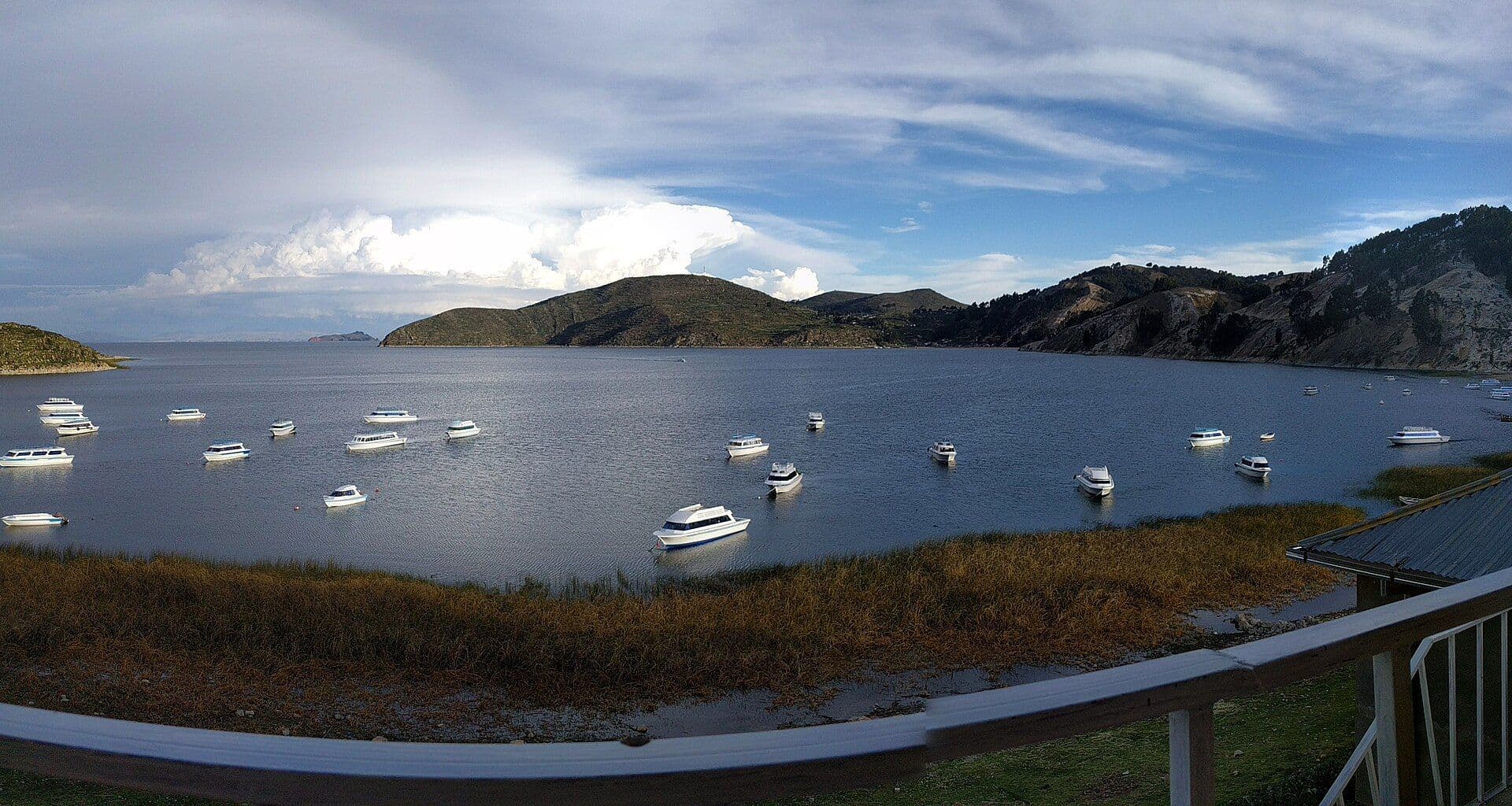
At almost 3,800 metres above the sea, Lake Titicaca does not look like a lake so much as a second sky laid on the high plateau. Peru and Bolivia share its shores, and for centuries the peoples around it have placed here the beginning of everything: the sun, the moon and the dynasty that would one day rule the Andes.
A lake on the roof of the continent
Titicaca is the largest lake in South America by volume and one of the highest large lakes in the world. It sits in the Altiplano, the high plateau between two ranges of the Andes, and its waters drain into a single outlet, the Desaguadero River, which flows south into Bolivia.
Its shores have been inhabited for thousands of years. Long before the Incas, the city of Tiwanaku grew a few kilometres from the southern shore and became one of the great ceremonial centres of the Andes. Fishing, totora reeds and the fertile land around the lake made the basin one of the most densely populated places in the highlands.
The sun rises from the water
In the accounts gathered by Spanish chroniclers after the conquest, the creator god Viracocha emerged from Lake Titicaca when the world was still in darkness. On the Island of the Sun he called the sun, the moon and the stars into the sky, and from there he set out to give life and order to the peoples of the earth.
Another tradition, the one Inca nobles told about themselves, says that the Sun sent his children Manco Cápac and Mama Ocllo out of the lake with a golden staff. They were to walk north until the staff sank into the ground. Where it disappeared, they founded Cusco, the future capital of the empire.
These are origin stories, not historical records. They tell us how the Incas wanted their power to be understood: as something born in the most sacred place of the Andes, a place that was already ancient and revered when they arrived.
The Island of the Sun
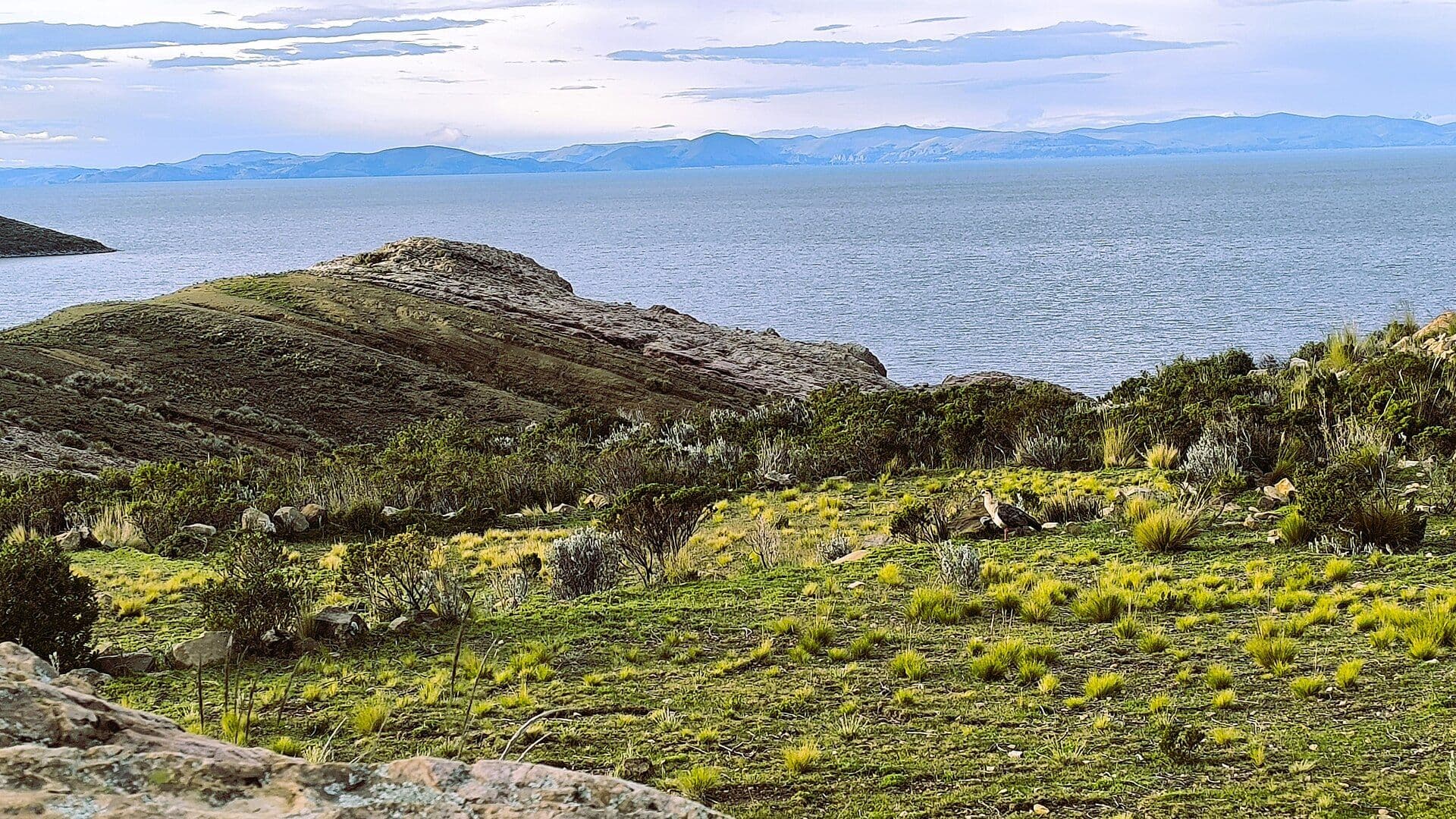
Isla del Sol, on the Bolivian side, is crossed by old paths and agricultural terraces. The Incas built a sanctuary here around a sacred rock, and pilgrims travelled from distant parts of the empire to visit it. The remains of the complex known as the Chincana, a maze of stone rooms, and the building of Pilko Kaina can still be visited.
The Incas did not invent the island’s sanctity. Archaeological work has found traces of Tiwanaku and earlier occupation, which suggests that the Incas took over a sacred landscape and gave it a new story that placed them at its centre.
What lies beneath the lake
For decades, stories circulated about a city sunk under Lake Titicaca. Divers have not found a lost city, but underwater archaeology around the Island of the Sun has recovered objects that people threw into the water as offerings: ceramics, among them incense burners in the shape of pumas, as well as pieces of gold and shell. Several of these finds have been dated to the Tiwanaku period, centuries before the Incas.
The lake, in other words, was not only a setting for myths. It received offerings, and it kept them.
Plan your visit
Practical notes for travelling there. Conditions, schedules and prices change: check before you go.
- Base town
- Copacabana (Bolivia) · Puno (Peru)
- Best time to go
- The dry season, roughly May to October, brings clear skies and calm water. Days are sunny and nights are cold all year.
- Getting there
- From La Paz, buses and tours reach Copacabana by road in about four hours, crossing the Strait of Tiquina on a small ferry. Boats leave Copacabana for the Island of the Sun. On the Peruvian side, Puno is reached by road or through the airport of Juliaca, about an hour away.
Good to know
- The lake is at about 3,800 m: rest on arrival and drink plenty of water.
- The sun is intense at this altitude even when it feels cool.
- Carry cash: card payment is limited on the islands.
- Pack warm layers for the evening.
Related stories
Extraordinary Places·Bolivia
The toborochi: the tree that shelters a mother (Santa Cruz, Bolivia)
Its trunk swells like a belly. The Guaraní know who is hiding inside.

Nature & Geography·Bolivia
Salar de Uyuni: how an ancient lake became a desert of salt
The largest salt flat on Earth was once covered by enormous lakes. The Aymara tell a different story: the tears and milk of a mountain.
Ancient Civilizations·Bolivia
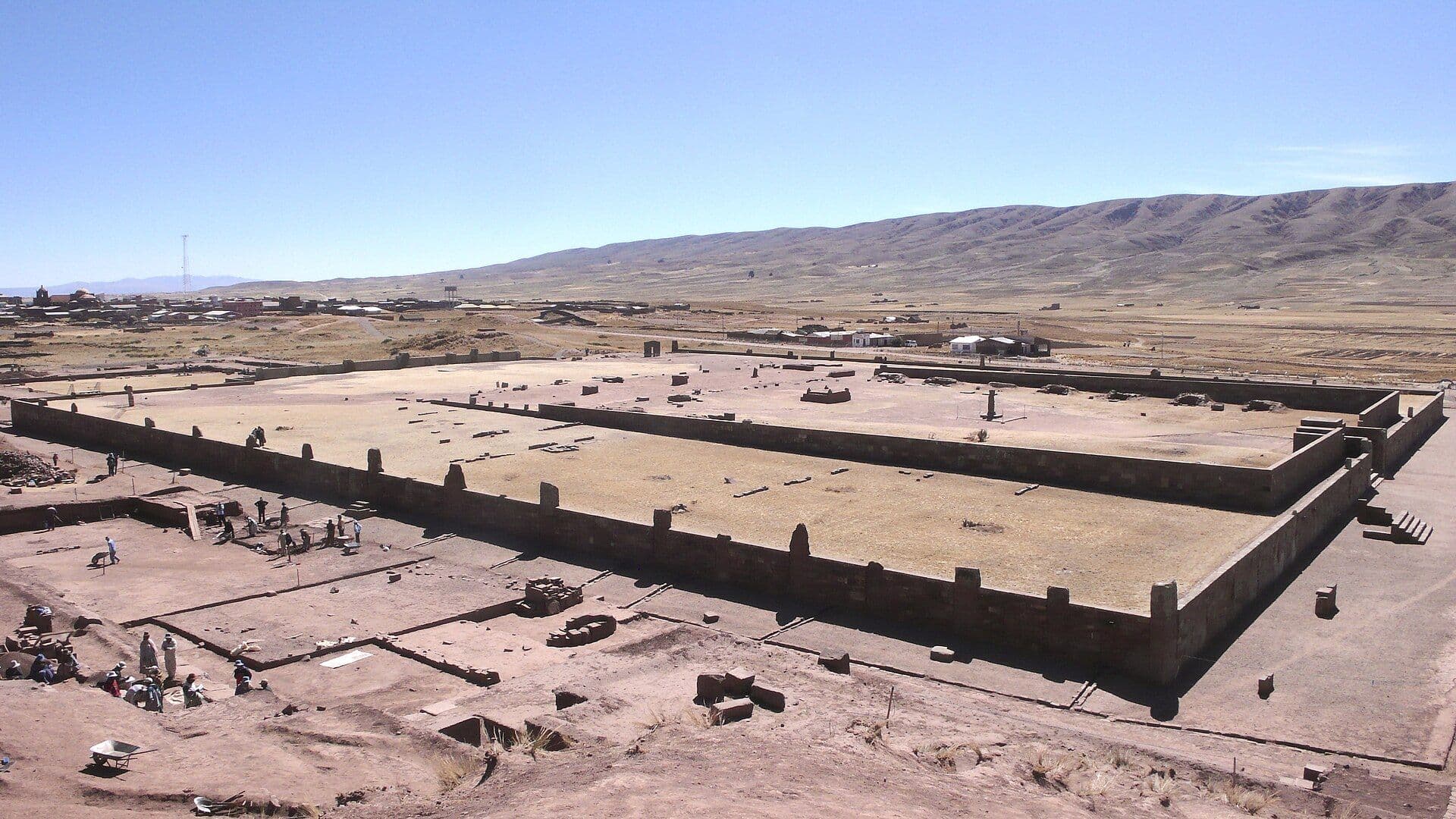
Tiwanaku, the city that came before the Incas
Near the shore of Lake Titicaca, a people without writing built one of the great ceremonial capitals of the ancient Americas.