Chichén Itzá: the serpent of light and the well of offerings
On the spring equinox a shadow serpent seems to crawl down its pyramid. A few steps away, a sacred well kept the offerings of centuries.
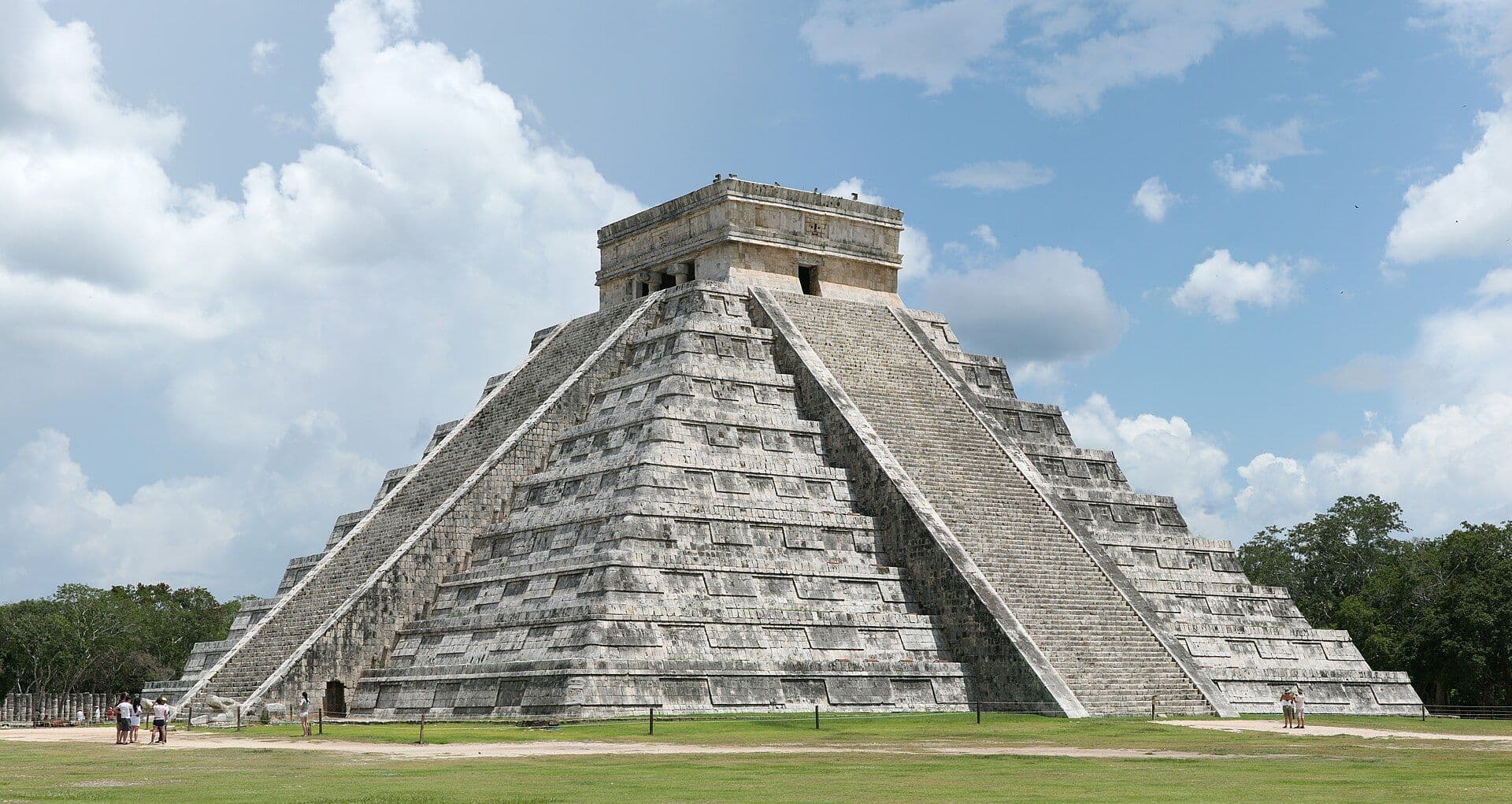
Chichén Itzá rises from the flat scrubland of Yucatán, where there are no rivers and water lies underground in natural wells called cenotes. The city that grew here became one of the great powers of the late Maya world, and its pyramid is among the most photographed buildings in the Americas.
A city of water and stone
Chichén Itzá means “at the mouth of the well of the Itzá”. The city became a regional capital in the centuries after the decline of the southern Maya cities, with buildings that mix Maya traditions with styles shared across Mesoamerica. Its Great Ball Court, its Temple of the Warriors and its pyramid of Kukulcán, known as El Castillo, are the heart of the site.
The serpent of light
Kukulcán, the feathered serpent, was one of the great deities of Mesoamerica. At the foot of El Castillo’s northern stairway are carved serpent heads. On the afternoons around the spring and autumn equinoxes, the stepped edge of the pyramid casts a series of triangles of light on the stairway that seem to form the body of a serpent descending to its head.
The effect is real and draws thousands of visitors. Whether the builders designed it on purpose is debated: some researchers see deliberate astronomical planning, others a happy consequence of the building’s orientation.
The well of offerings
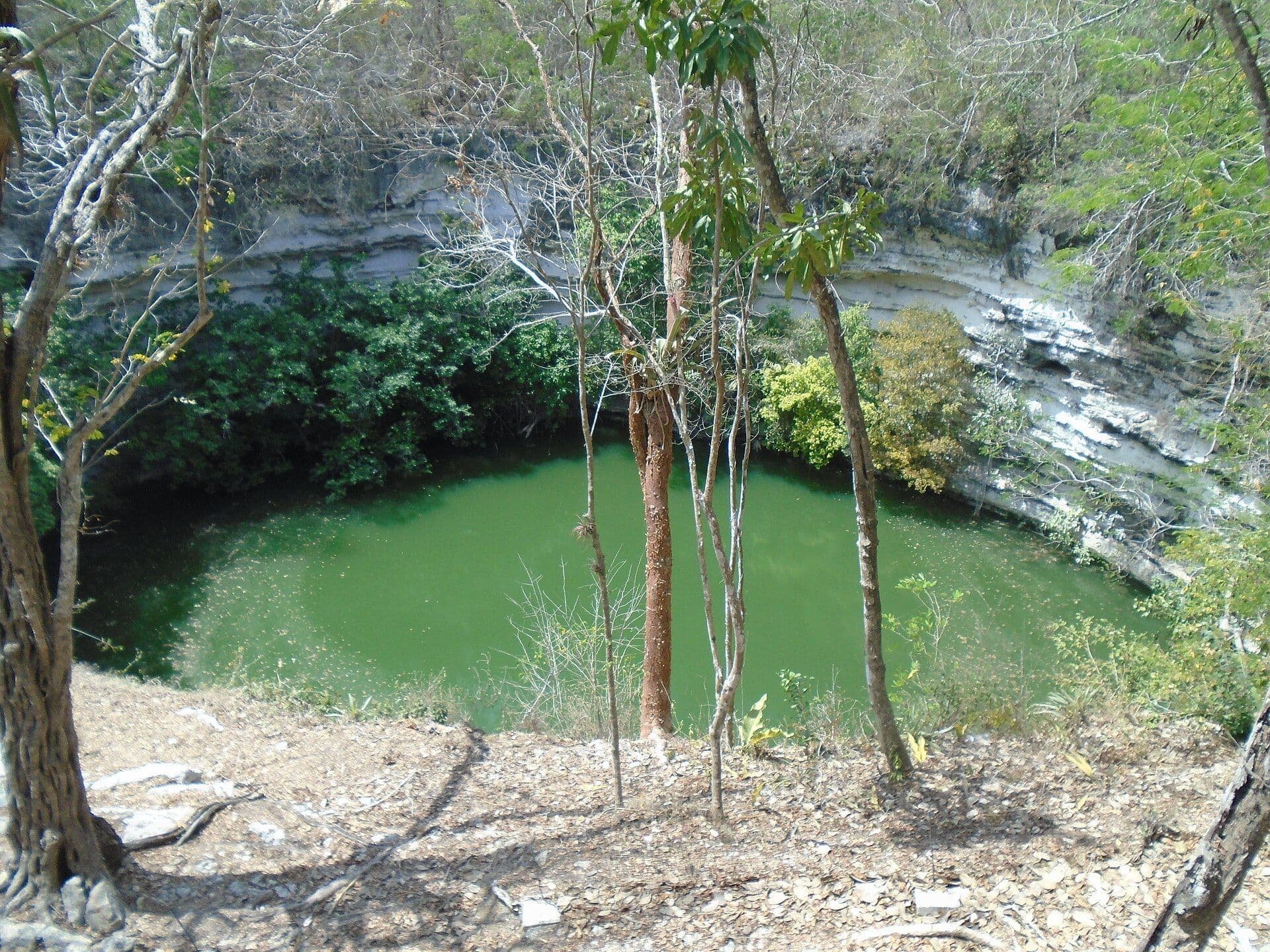
North of the pyramid, a causeway leads to the Sacred Cenote, a natural well with sheer walls. Spanish accounts written after the conquest describe offerings and sacrifices thrown into it. Between 1904 and 1910 the American Edward H. Thompson dredged the cenote and recovered gold, jade, copal, textiles and human bones; many of the objects were taken to a museum in the United States, and part of them were later returned to Mexico.
Plan your visit
Practical notes for travelling there. Conditions, schedules and prices change: check before you go.
- Base town
- Valladolid · Mérida · Cancún (Yucatán, Mexico)
- Best time to go
- November to March is coolest. Around the spring equinox the site fills with visitors who come to see the serpent of light on the pyramid’s stairway.
- Getting there
- Chichén Itzá is about 45 minutes by road from Valladolid, two hours from Mérida and around two and a half to three hours from Cancún. Buses and tours run from all three.
Good to know
- Arrive at opening time to avoid heat and crowds.
- Climbing El Castillo is not permitted.
- Nearby cenotes are good for a swim after the visit.
Related stories

Nature & Geography·Mexico
The Tule Tree: the tree planted by the priest of the wind
The widest trunk in the world grows in a village in Oaxaca. The Zapotecs say a priest of Ehecatl planted it 1,400 years ago.
Peoples & Communities·Mexico
Copper Canyon: how Onorúame created the Rarámuri
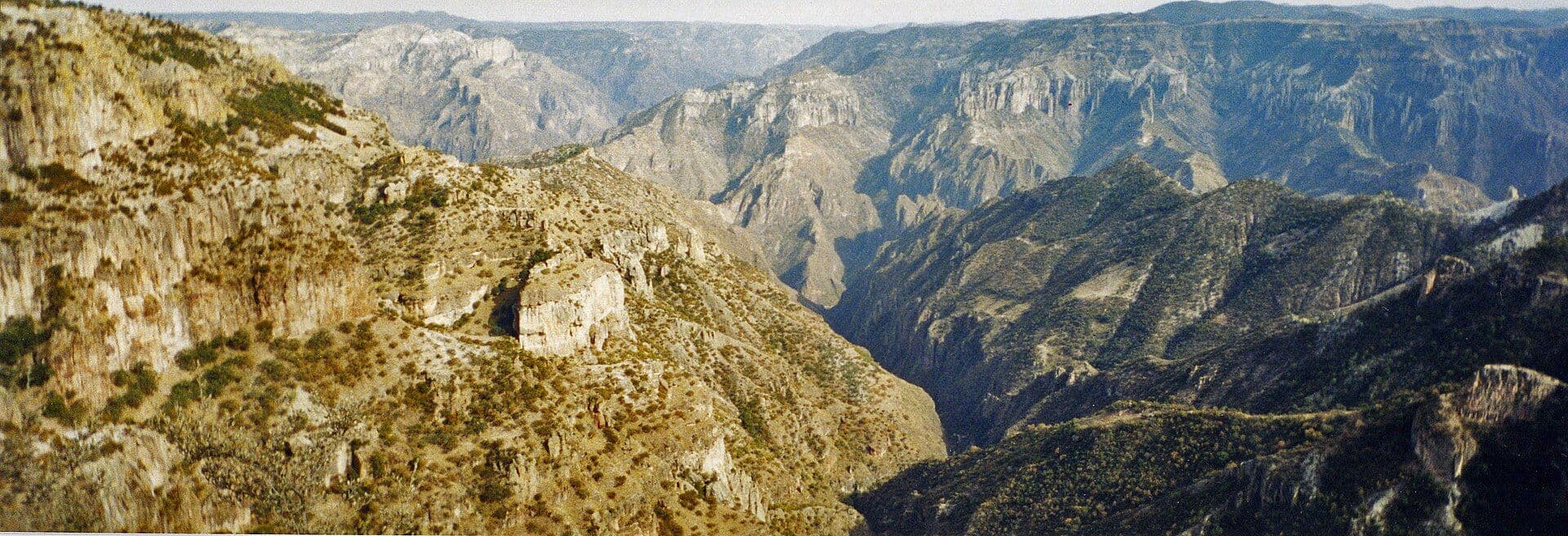
In Mexico’s deepest canyons live the “light-footed” people. Their god made them from clay.
Extraordinary Places·Mexico
Palenque: Pakal, the king who went down to Xibalba (and was no astronaut)
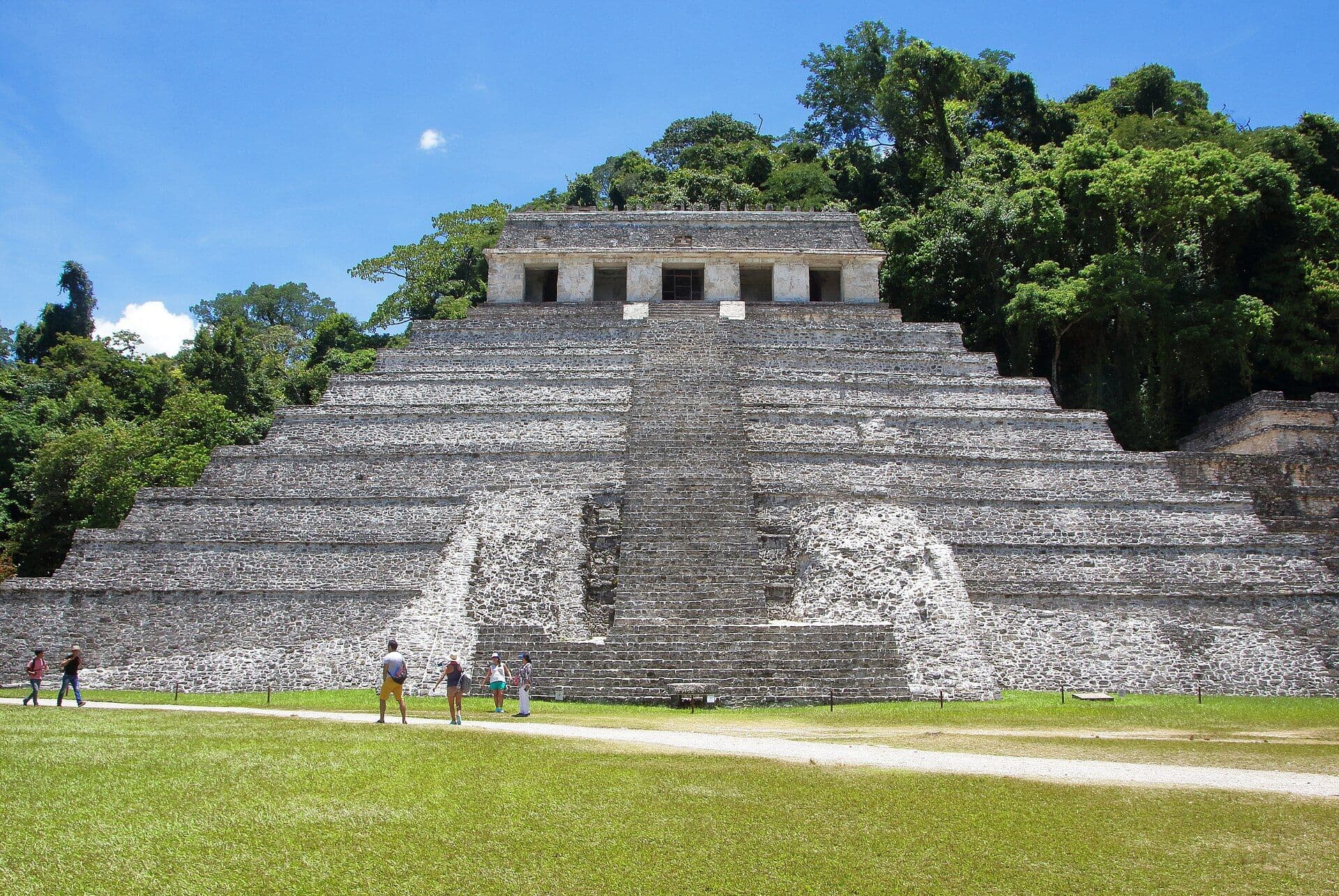
In 1952 an archaeologist found a secret stairway inside a pyramid. At the bottom waited a Maya king, and his tomb lid sparked one of the most famous modern myths.