Atacama: the driest desert and its living volcanoes
In San Pedro de Atacama the land seems dead and the sky is the clearest on Earth. For the Likan Antay, the mountains around them have always been alive.

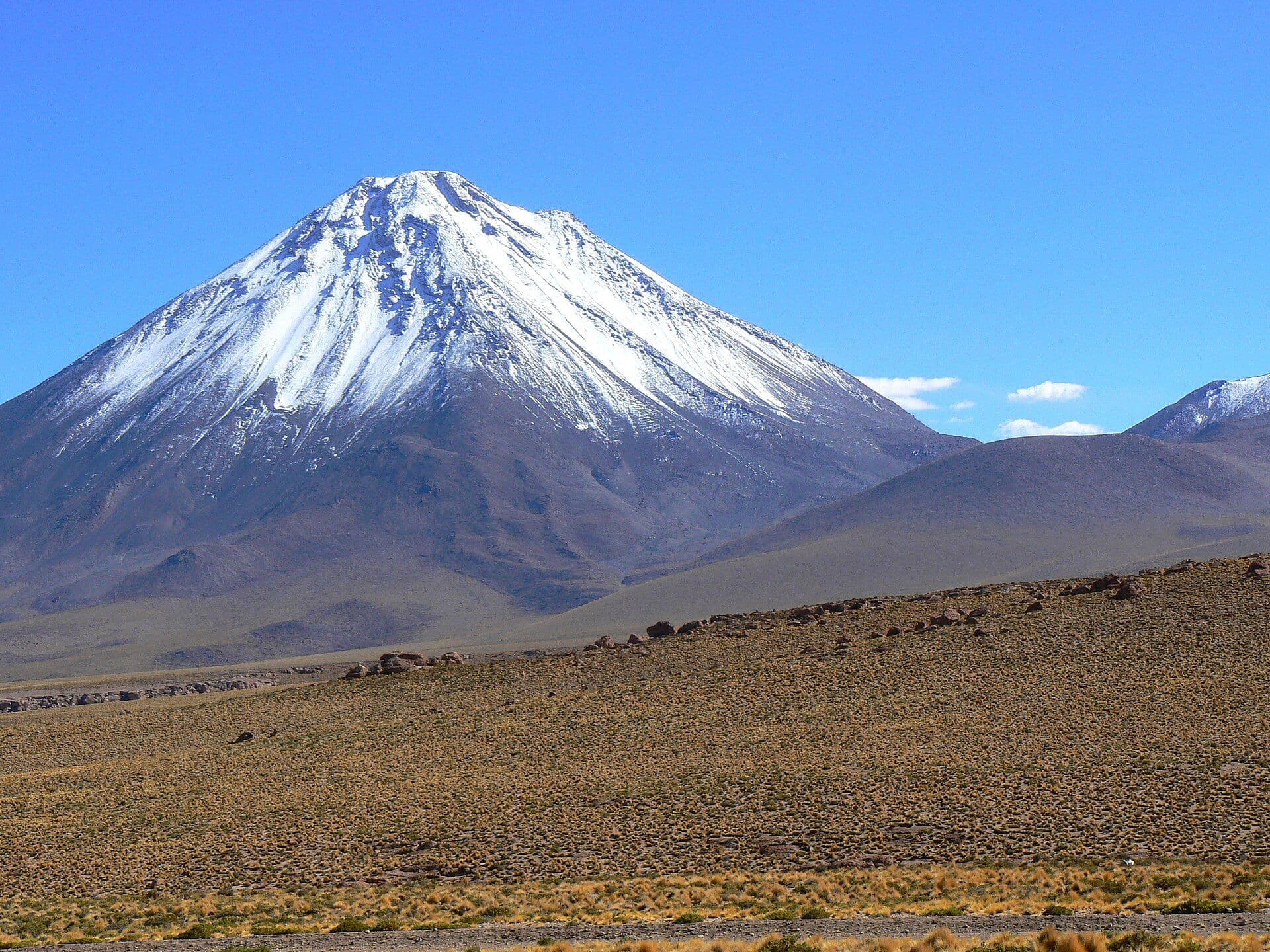
The Atacama, in northern Chile, is the driest non-polar desert on the planet. Some of its weather stations have gone years without recording rain. Yet people have lived in its oases for millennia, and above the village of San Pedro rises a perfect cone, Licancabur, that was a sacred mountain long before telescopes came to watch the sky.
Life in the driest place
Cut off from moisture by the Andes on one side and by the cold Pacific current on the other, the Atacama receives almost no rain. Its oases, fed by rivers and springs from the mountains, have supported people for thousands of years: the Likan Antay, also called Atacameños, farmed, herded llamas and traded across the Andes.
Near San Pedro stands the Pukará de Quitor, a stone fortress on a hillside. In 1540 it was the scene of a battle between its defenders and the Spanish soldiers of Pedro de Valdivia’s expedition.
A volcano that watches over the oasis
Licancabur, on the border between Chile and Bolivia, dominates the horizon of San Pedro. On its summit, beside a lake inside the crater, archaeologists have found stone structures built in Inca times, evidence that people climbed it to make offerings.
For the Likan Antay, as for other Andean peoples, the great mountains are protective ancestors. Stories told in the region give Licancabur a family and a partner among the distant peaks, as told below.
The clearest window on the universe
The same dryness that makes the desert so harsh makes its sky extraordinarily clear. On the Chajnantor plateau, at about 5,000 metres, stands ALMA, an array of dozens of radio antennas that studies the birth of stars and planets. In San Pedro, night tours show visitors the sky the Atacameños read for centuries.
Licancabur and Quimal, the mountains in love
The volcanoes were living giants. Two brothers fell in love with Quimal, the most beautiful maiden of the desert. Quimal chose Licancabur. The other brother, furious, fought him.
Here the versions differ. In one, the rival is the volcano Lascar, and as punishment Quimal is left isolated in the Cordillera de la Sal, far from her beloved. In another, the brothers are Juriques and Licancabur: Licancabur beheads Juriques — which is why Juriques has a truncated summit — and Quimal is banished, separated from him by a sea of salt.
In every version Licancabur and Quimal are parted forever. But, people say, on certain dates of the year the shadow of Licancabur crosses the salt flat and reaches Quimal: that is their meeting.
The shadow
The priest and archaeologist Gustave Le Paige, founder of the museum of San Pedro de Atacama, recorded this relationship: the shadow of Licancabur reaches Quimal around the solstice, which he interpreted as a marriage between the two mountains. Other sources place the meeting in August, the month of the Pachamama.
Plan your visit
Practical notes for travelling there. Conditions, schedules and prices change: check before you go.
- Base town
- San Pedro de Atacama (Chile)
- Best time to go
- The desert can be visited all year. In January and February the “Bolivian winter” sometimes brings storms; winter nights (June to August) are very cold.
- Getting there
- Fly to Calama, then continue by road for about an hour and a half to San Pedro de Atacama. Valle de la Luna, the lagoons of the salt flat and the El Tatio geysers are visited on day trips from the town.
Good to know
- San Pedro is at about 2,400 m and many excursions go much higher: acclimatise before El Tatio.
- The geyser tour leaves before dawn: bring warm clothes.
- Night-sky tours are among the best in the world here.
Related stories
Peoples & Communities·Argentina
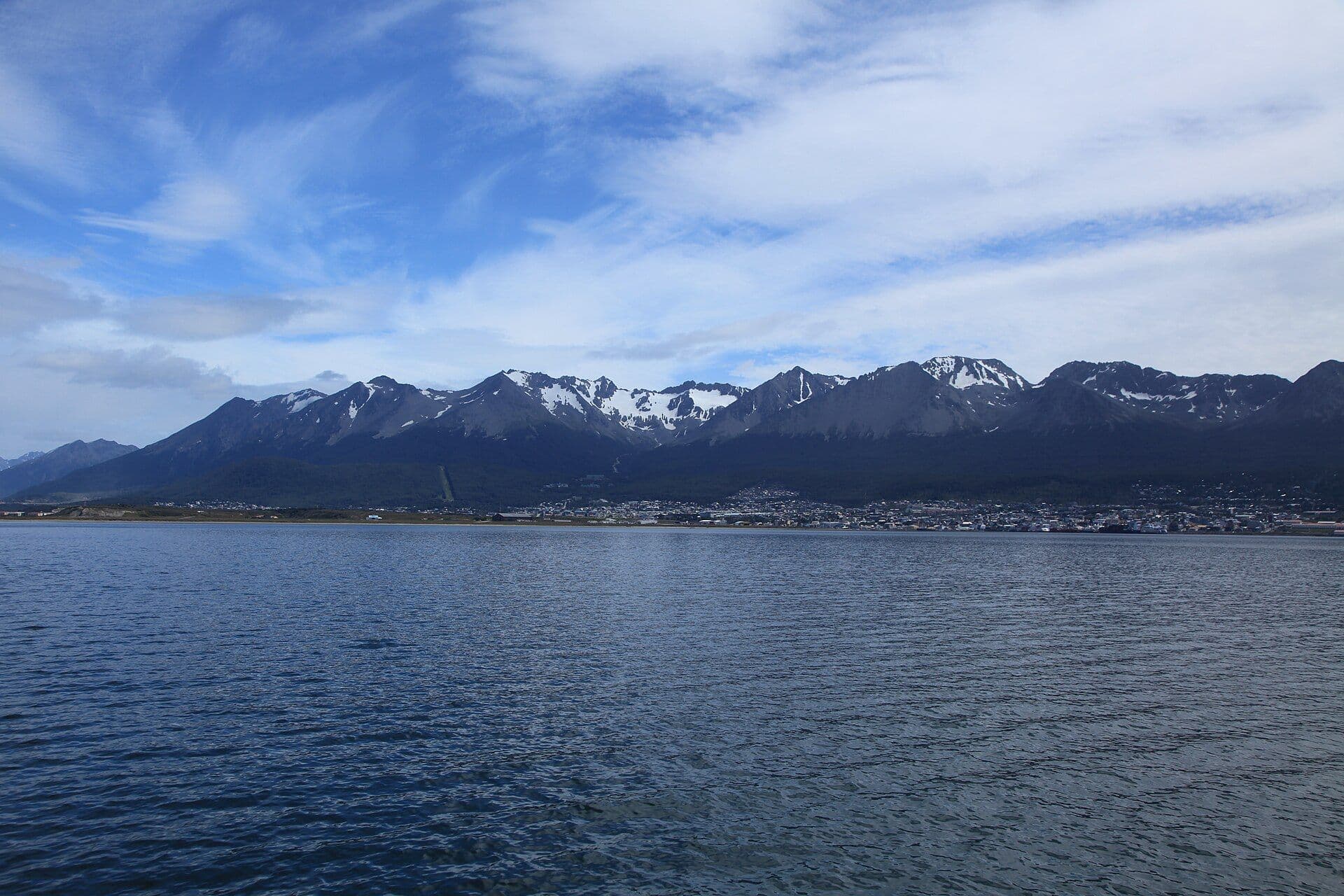
Tierra del Fuego: the Hain, the secret of the Selk’nam
At the end of the world, Selk’nam men painted their bodies and became spirits. It all began, they said, with a lie told by the women and a fight between the Sun and the Moon.
Nature & Geography·Chile
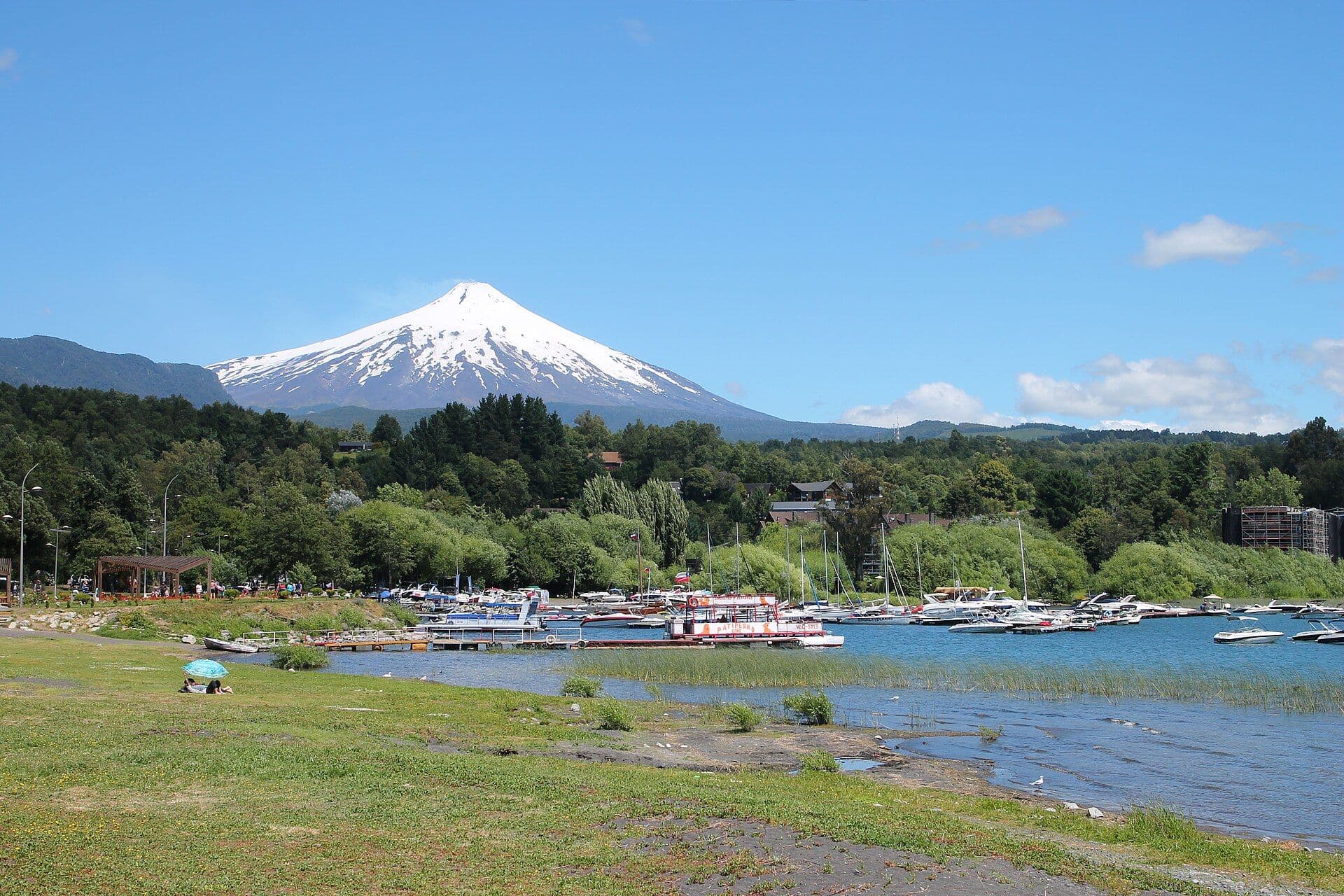
Pucón and Villarrica volcano: Rucapillán, the house of the spirits
For the Mapuche, the volcano that towers over Pucón is the home of the pillanes. And their land tells of a war between two serpents that almost drowned the world.
Extraordinary Places·Chile
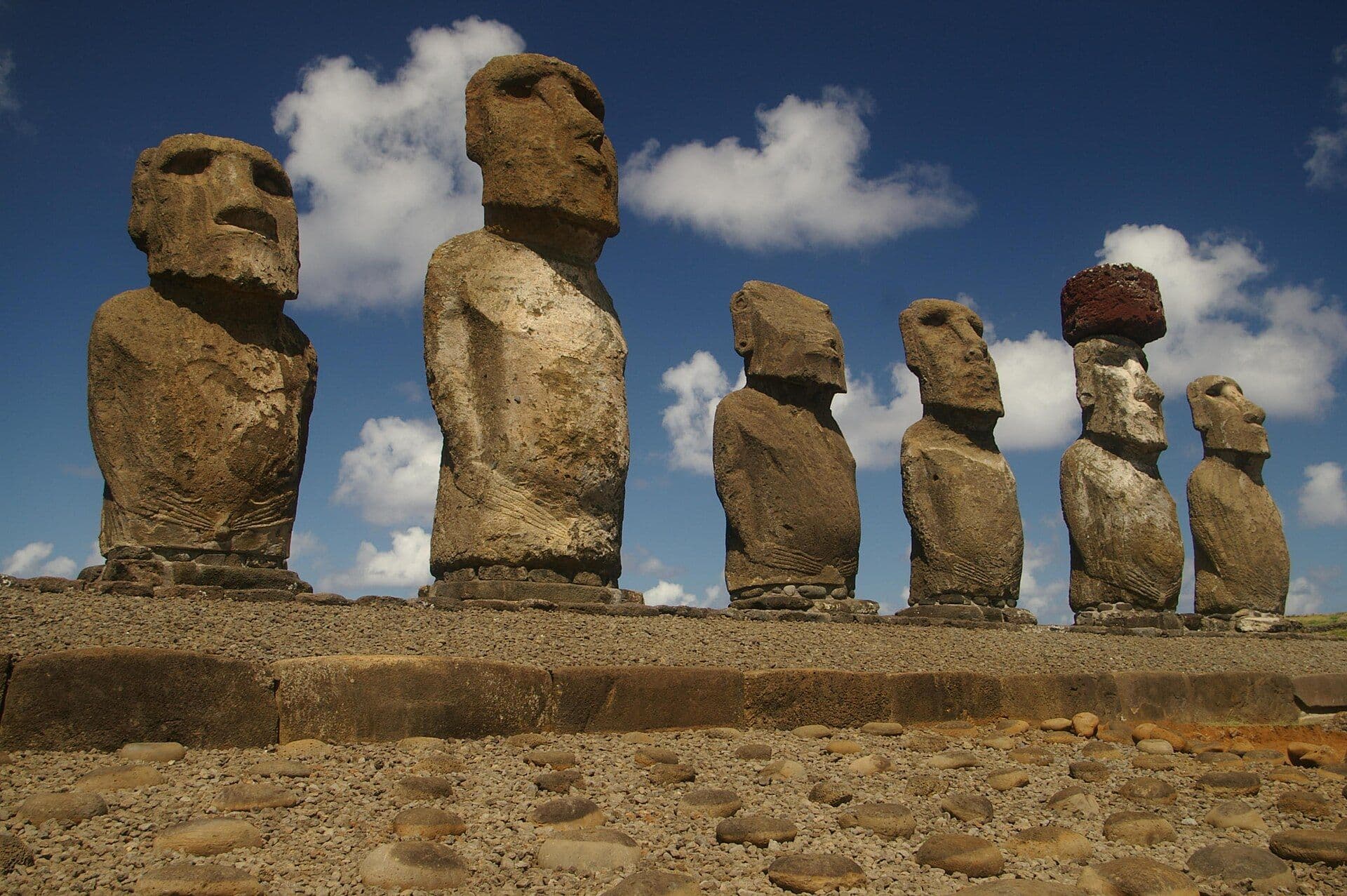
Easter Island: the dream of Hau Maka and the moai that walked
A spirit travelled in a dream to an island at the end of the world. Centuries later, the Rapanui say their statues walked.