Pucón and Villarrica volcano: Rucapillán, the house of the spirits
For the Mapuche, the volcano that towers over Pucón is the home of the pillanes. And their land tells of a war between two serpents that almost drowned the world.
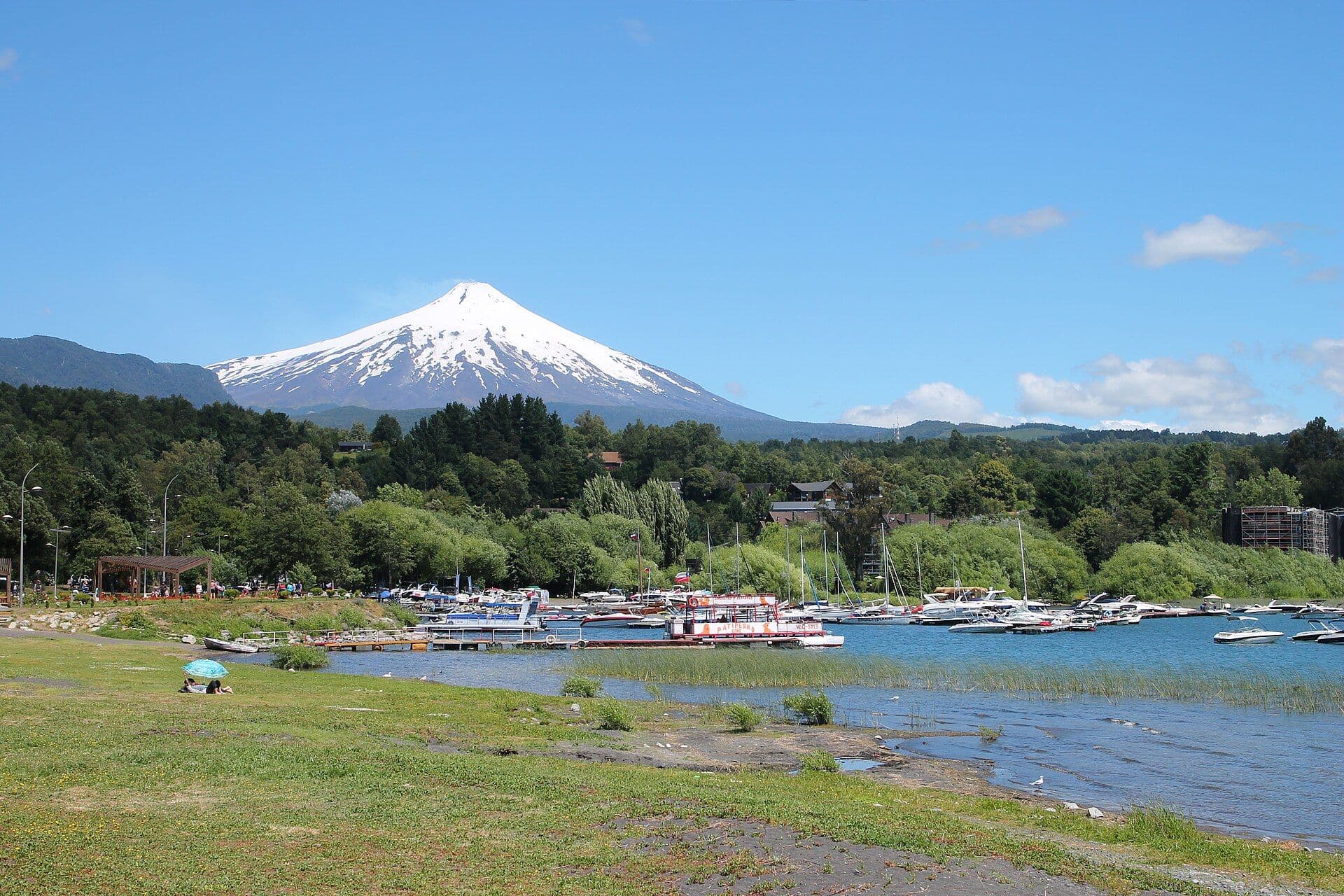
Villarrica volcano (2,847 m), one of the most active in South America, dominates the lake and the town of Pucón in Chile’s Araucanía region. Its Mapuche name is Rucapillán: *ruka* means “house” and *pillán* is the powerful spirit that dwells in volcanoes — “house of the pillán”, or “house of the spirits”.
The pillanes
In the Mapuche worldview, the pillanes are powerful male spirits, sometimes illustrious ancestors, who live in the volcanoes and produce thunder, fire and eruptions. The communities near Rucapillán regard it as a volcano with a protective spirit.
The battle of the volcanoes
In the area people tell that Rucapillán and its neighbour Quetrupillán fought for control of the region. Rucapillán took advantage of a moment of carelessness and blew its rival’s top off — or, in another version gathered in the field, struck the crater of Mocho-Choshuenco with lightning. That is why the neighbouring volcano was left “mocho”, blunt and inactive.
Trentren and Kaikai
The most important myth of the Mapuche people is the struggle between two serpents: Kaikai Vilu, the serpent of the sea, and Trentren Vilu, the serpent of the land. Angry with humankind, Kaikai called “kai, kai, kai” and the sea rose to flood everything. People fled to the hills. Trentren answered by raising the land higher and higher until the water could not reach it, and saved the Mapuche. That, they say, is how the landscape of hills, islands and lakes of southern Chile was formed. Scholars connect the myth with the memory of great earthquakes and tsunamis.
Plan your visit
Practical notes for travelling there. Conditions, schedules and prices change: check before you go.
Good to know
- Climb Villarrica with an authorised guide (lava can sometimes be seen in the crater; subject to SERNAGEOMIN alerts).
- Hot springs, Huerquehue National Park and the Ojos del Caburgua falls.
- Mapuche tourism in nearby communities (traditional rukas and food).
Related stories
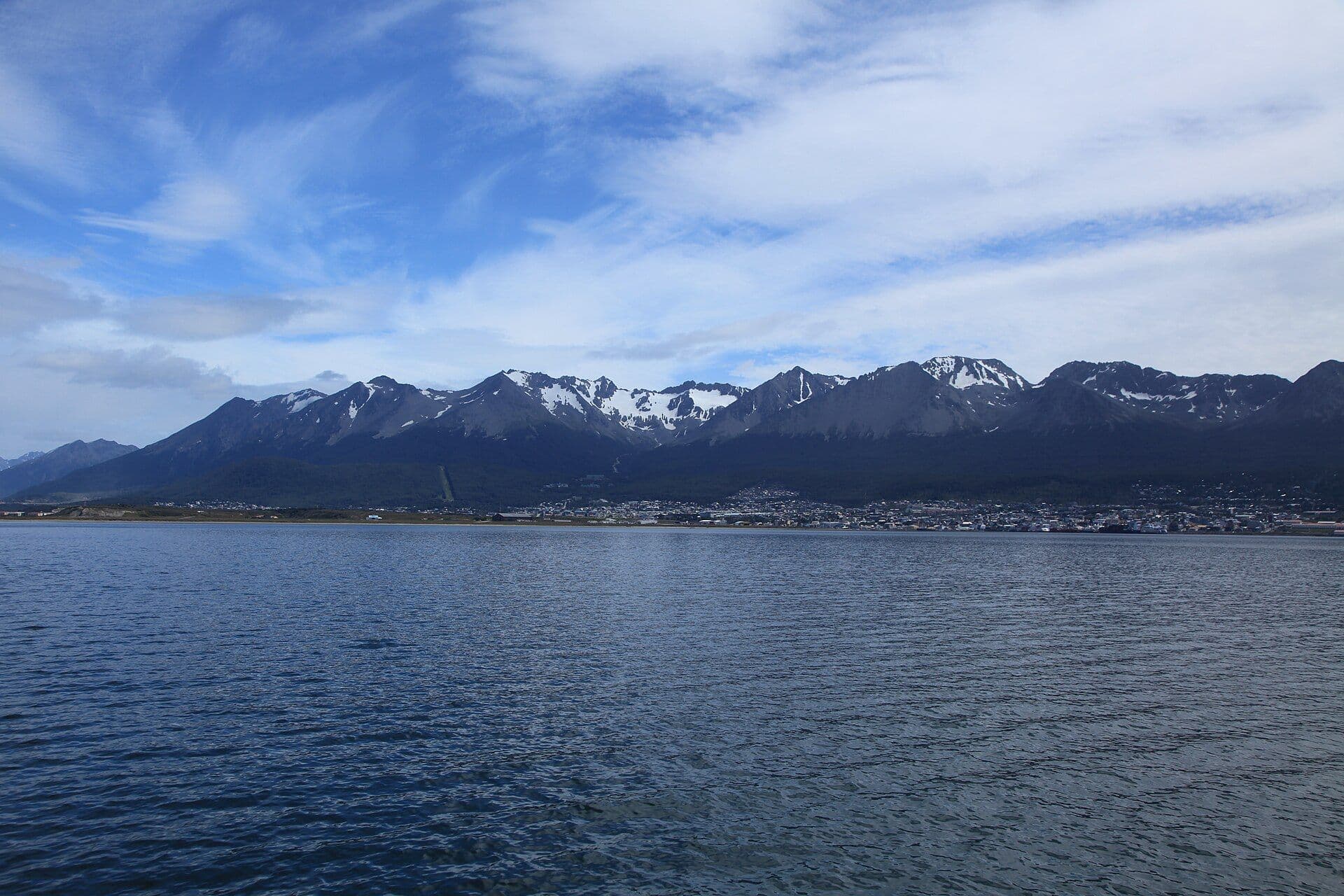
Peoples & Communities·Argentina
Tierra del Fuego: the Hain, the secret of the Selk’nam
At the end of the world, Selk’nam men painted their bodies and became spirits. It all began, they said, with a lie told by the women and a fight between the Sun and the Moon.
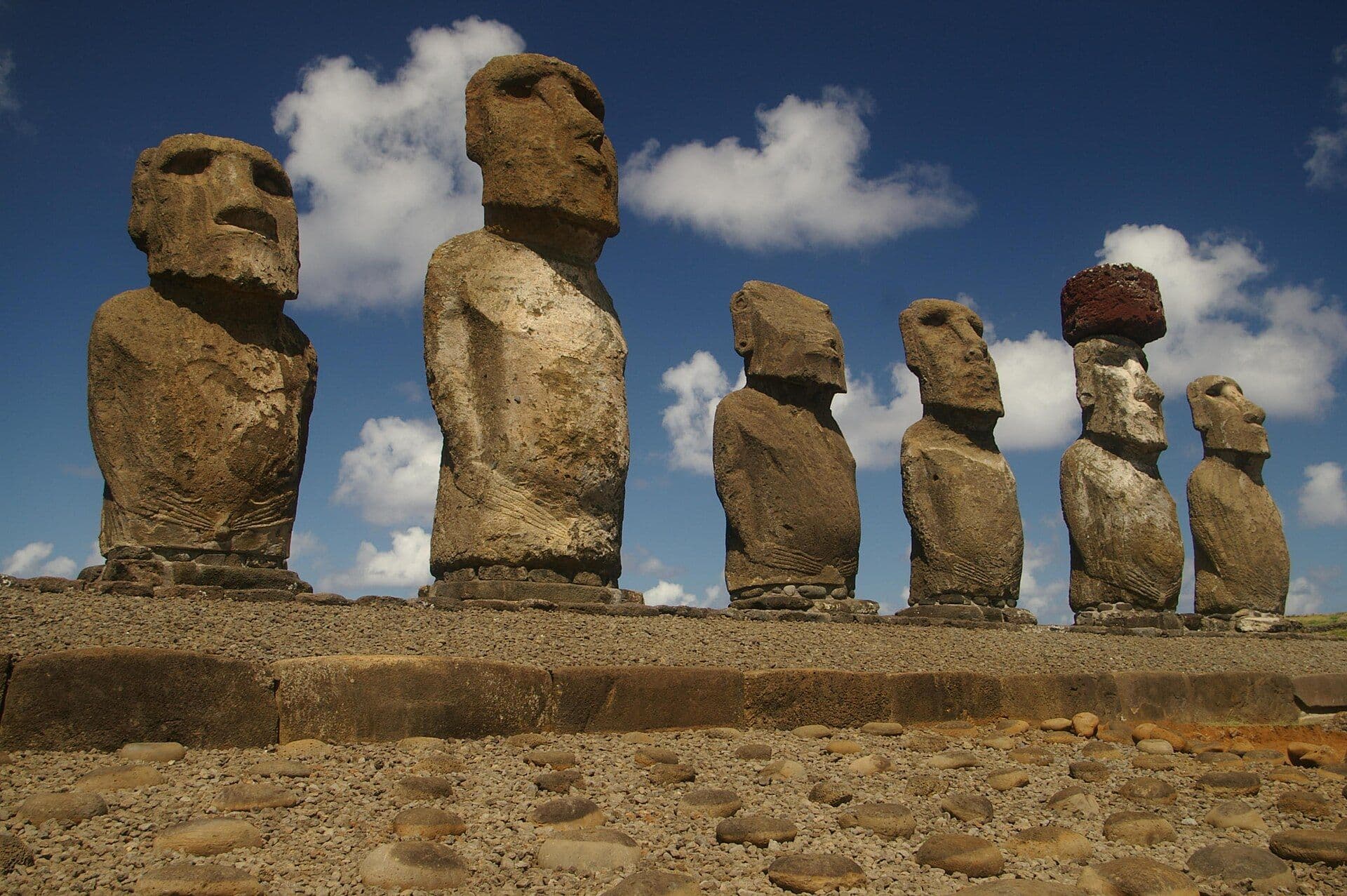
Extraordinary Places·Chile
Easter Island: the dream of Hau Maka and the moai that walked
A spirit travelled in a dream to an island at the end of the world. Centuries later, the Rapanui say their statues walked.
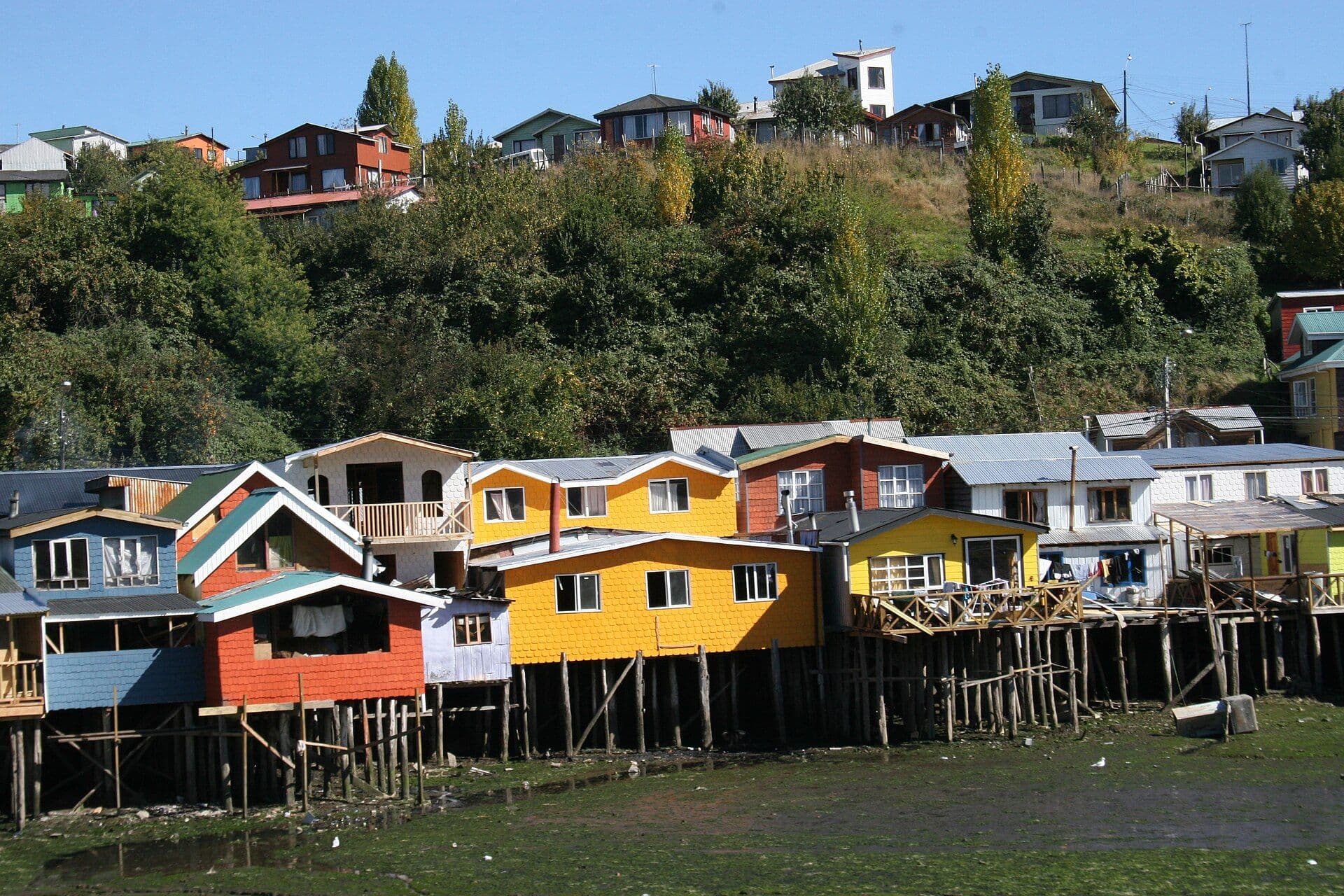
Extraordinary Places·Chile
Chiloé: the Caleuche, the ship that sails beneath the sea
Its crew are sorcerers, it turns into a rock if it is discovered, and an officer of the Chilean Navy wrote that he had seen it.