Torres del Paine: granite, wind and the giant of the cave
In Chilean Patagonia, towers of granite rise above glacial lakes. Nearby, a cave kept the skin of an animal that should not have survived.
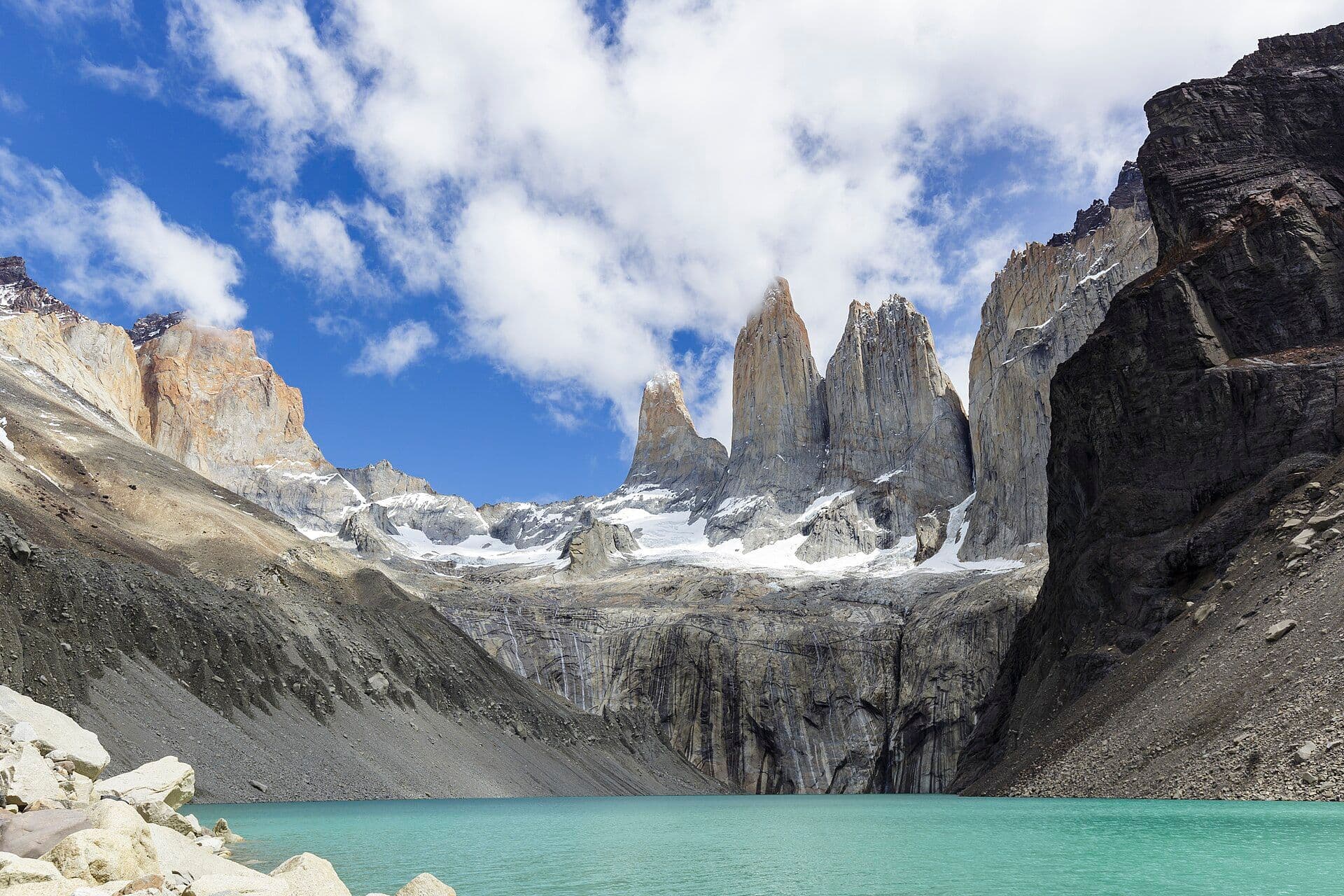
The towers of Paine are three needles of pale granite, shaped by ice, that turn red at sunrise. Around them stretch glaciers, turquoise lakes and steppe crossed by guanacos. This was the land of the Aónikenk, the southern Tehuelche, long before it became one of the most famous national parks in the world.
Born of fire, carved by ice
About twelve million years ago, molten rock pushed up beneath layers of sedimentary rock and cooled into granite without reaching the surface. Over time, glaciers stripped away the softer rock above it and sculpted the granite into towers and horns. The dark caps on the Cuernos del Paine are the remains of that older rock.
The land of the Aónikenk
The Aónikenk, the southern Tehuelche, were nomadic hunters of guanaco and rhea on the Patagonian steppe. The word paine is often said to mean “blue” in their language, a reference to the colour of the lakes, although the etymology is not certain.
In Tehuelche tradition, the hero Elal shaped the world as people knew it: he brought fire, taught the people to hunt and set the order of the land, before leaving for the sky. Versions of these stories were recorded by travellers and ethnographers in the nineteenth and twentieth centuries.
The giant of the cave
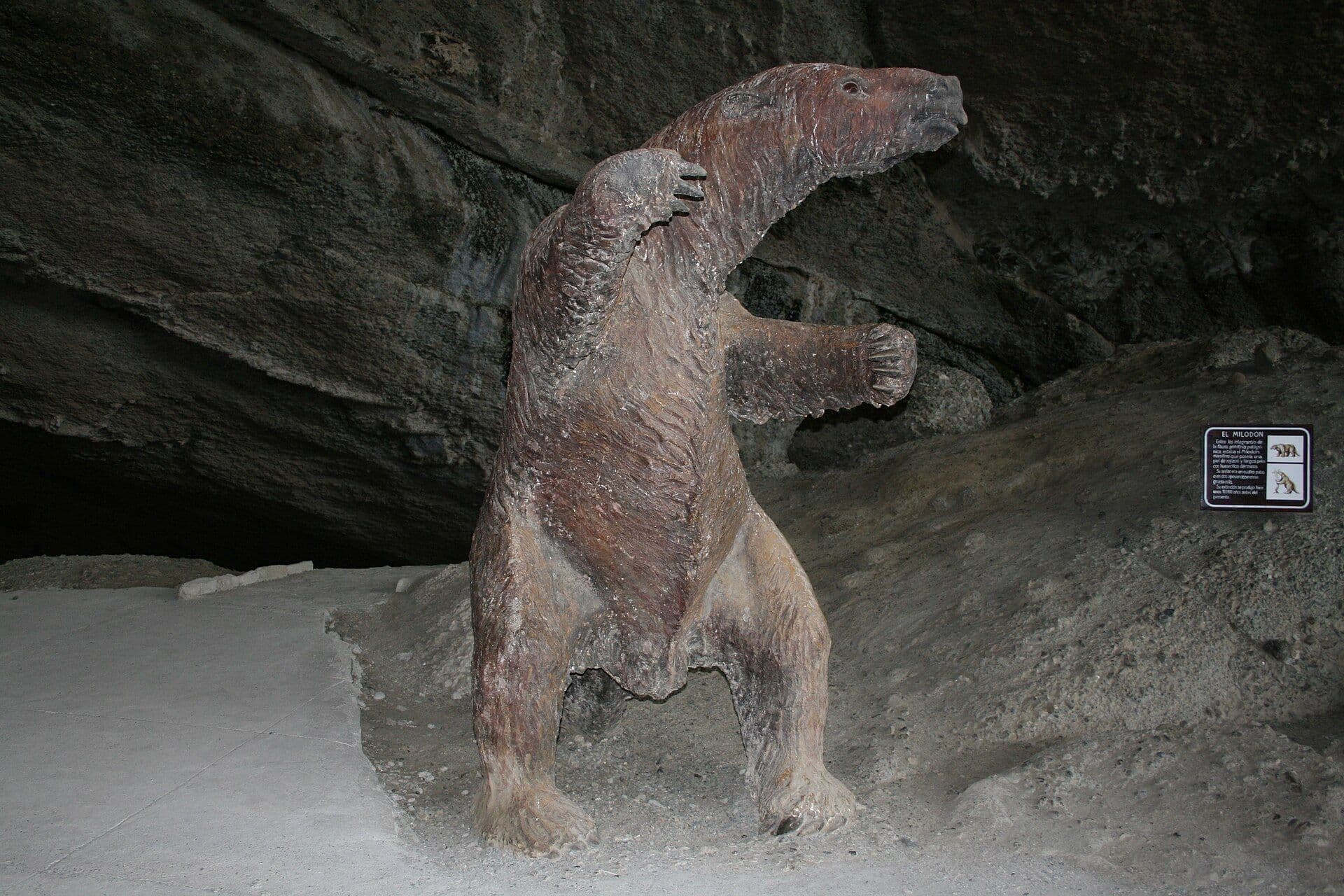
In 1895, in a huge cave near Puerto Natales, settlers found a piece of skin with hair still attached, and bones of an unknown animal. It was the mylodon, a giant ground sloth that became extinct thousands of years ago, preserved by the dry, cold air of the cave. The discovery fed rumours that the animal might still be alive in Patagonia, and it later inspired Bruce Chatwin’s travel book In Patagonia.
Plan your visit
Practical notes for travelling there. Conditions, schedules and prices change: check before you go.
- Base town
- Puerto Natales (Chile)
- Best time to go
- The southern summer, roughly October to April, has long days and open services. Wind is strong all year, especially in summer.
- Getting there
- Puerto Natales has a small airport with seasonal flights, and Punta Arenas has year-round flights and is about three hours away by road. Buses run from Puerto Natales to the park entrances.
Good to know
- Refugios and campsites on the W and O treks must be booked in advance.
- Weather changes in minutes: carry layers and waterproofs.
- Near Puerto Natales, the Milodon Cave preserves remains of a giant ground sloth.
Related stories
Peoples & Communities·Argentina
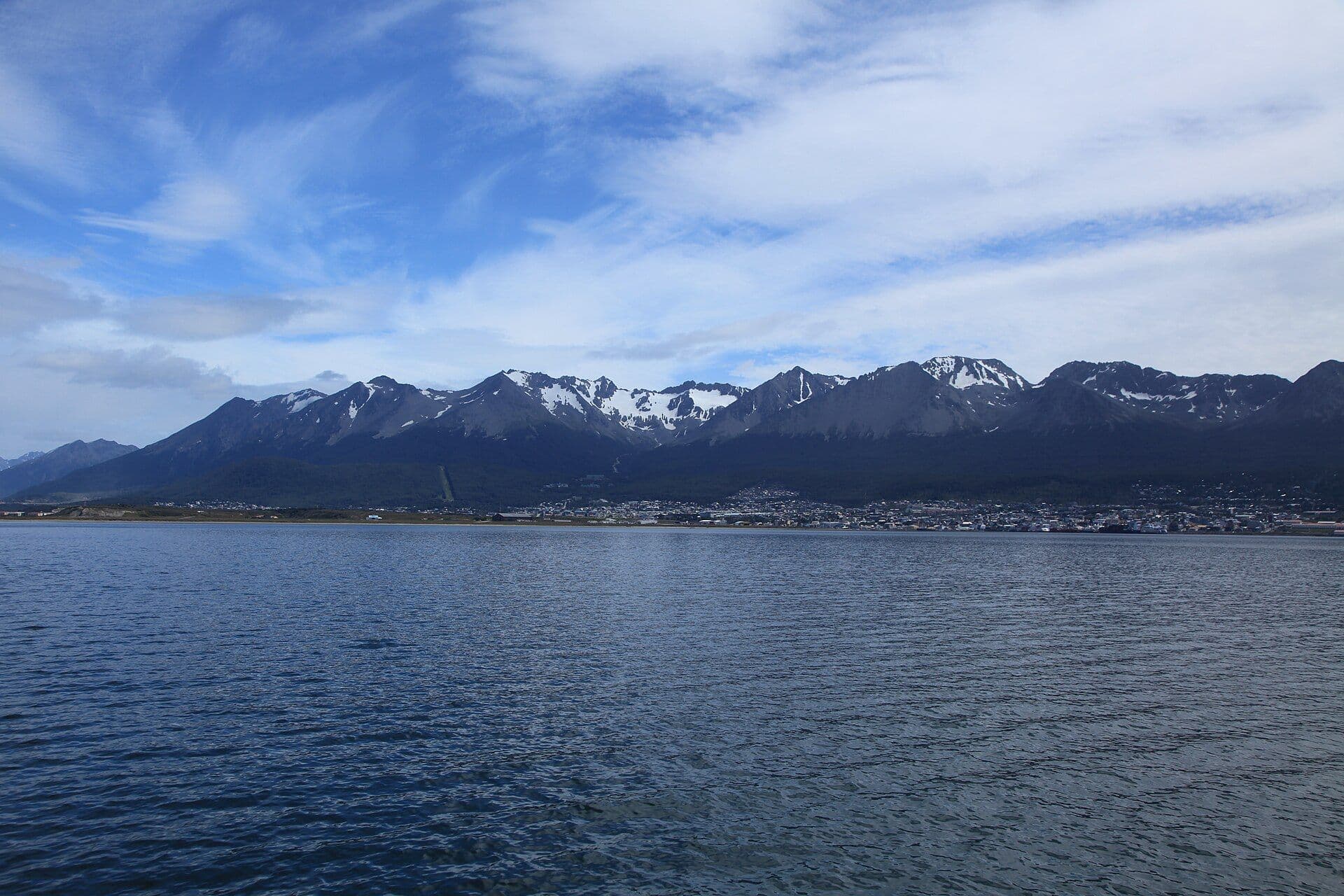
Tierra del Fuego: the Hain, the secret of the Selk’nam
At the end of the world, Selk’nam men painted their bodies and became spirits. It all began, they said, with a lie told by the women and a fight between the Sun and the Moon.
Nature & Geography·Chile
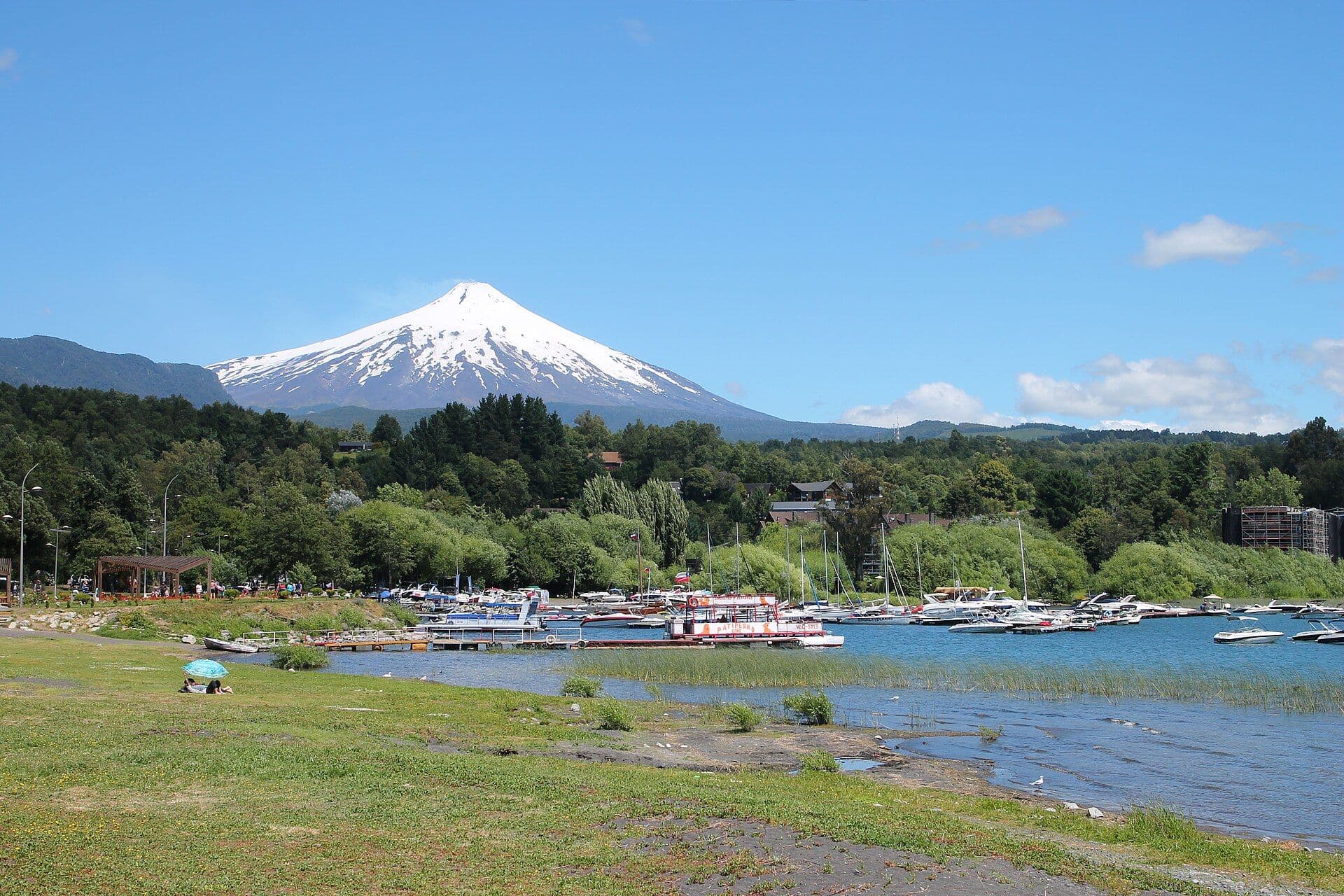
Pucón and Villarrica volcano: Rucapillán, the house of the spirits
For the Mapuche, the volcano that towers over Pucón is the home of the pillanes. And their land tells of a war between two serpents that almost drowned the world.
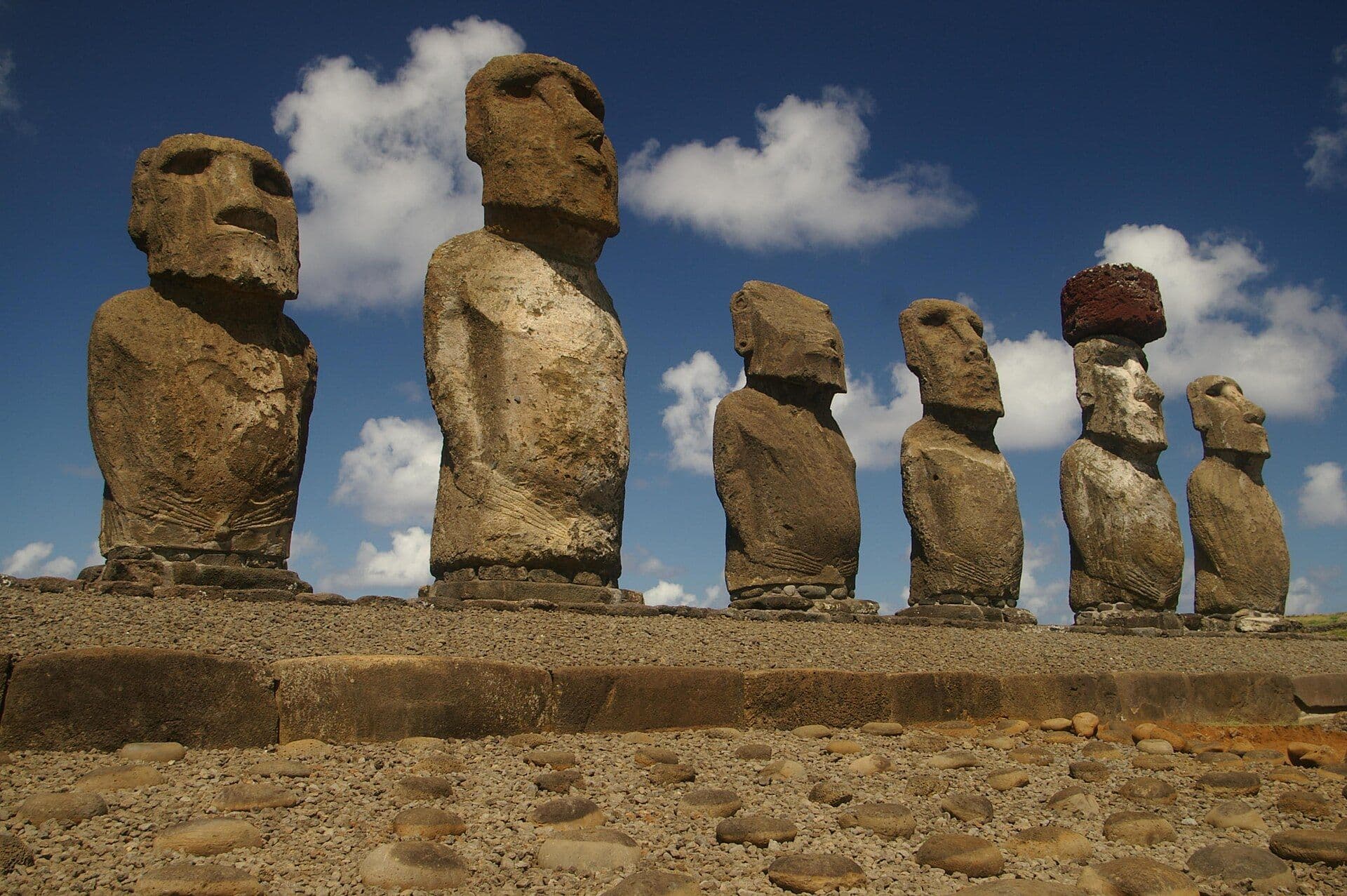
Extraordinary Places·Chile
Easter Island: the dream of Hau Maka and the moai that walked
A spirit travelled in a dream to an island at the end of the world. Centuries later, the Rapanui say their statues walked.