Mexico City: the eagle on the cactus and the founding of Tenochtitlan
Mexico’s coat of arms tells a prophecy. But the eagle devouring a serpent came later.
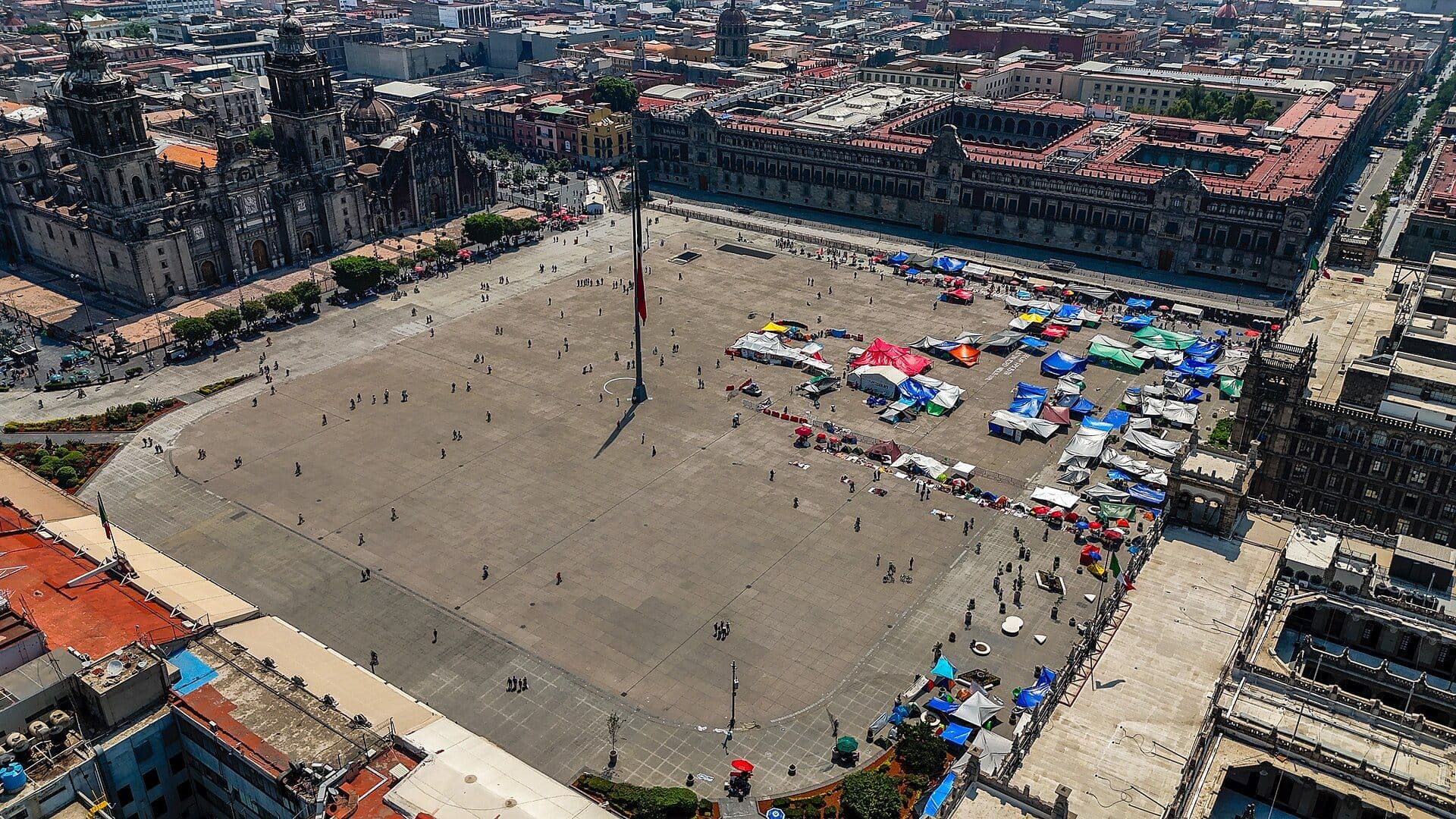
The flag of Mexico shows an eagle standing on a prickly pear cactus. According to tradition, it is the sign the god Huitzilopochtli promised the Mexica to show them where to found their city. Beneath today’s Mexico City lies that city: Mexico-Tenochtitlan.
The pilgrimage
The Mexica left Aztlan, “the place of whiteness” or “of the herons”, an island in the middle of a lagoon. For generations they wandered, guided by Huitzilopochtli, whose sacred bundle their priests carried. The god promised them a sign: they would found their city where they saw an eagle perched on a cactus growing from a rock in the middle of the water.
After long years, scorned and driven away by other peoples of the valley, they reached an islet in Lake Texcoco. There they saw the sign. They built a small temple of reeds, and over time that temple became the Templo Mayor.
What historians say
The date: tradition says 1325 (year 2 House). The Codex Mendoza (c. 1541) depicts the founding, though some readings place it in 1324. The National University of Mexico (UNAM) explains how the date of 1325 was arrived at.
The serpent: in the Codex Mendoza the eagle stands on the cactus but does not devour a serpent. That detail appears later. The archaeologist Eduardo Matos Moctezuma argues that the story was rewritten after 1428, when the ruler Itzcoatl ordered Mexica history to be reworked.
The eclipse hypothesis: Matos Moctezuma, with calculations by Jesús Galindo, suggests that a total solar eclipse in 1325 may have influenced the choice of the founding date.
Plan your visit
Practical notes for travelling there. Conditions, schedules and prices change: check before you go.
Good to know
- The Templo Mayor and its museum, beside the Zócalo: the heart of Tenochtitlan.
- The National Museum of Anthropology (the Sun Stone and the Mexica hall).
- Xochimilco: its canals are a remnant of the old lake system.
Related stories

Nature & Geography·Mexico
The Tule Tree: the tree planted by the priest of the wind
The widest trunk in the world grows in a village in Oaxaca. The Zapotecs say a priest of Ehecatl planted it 1,400 years ago.
Peoples & Communities·Mexico
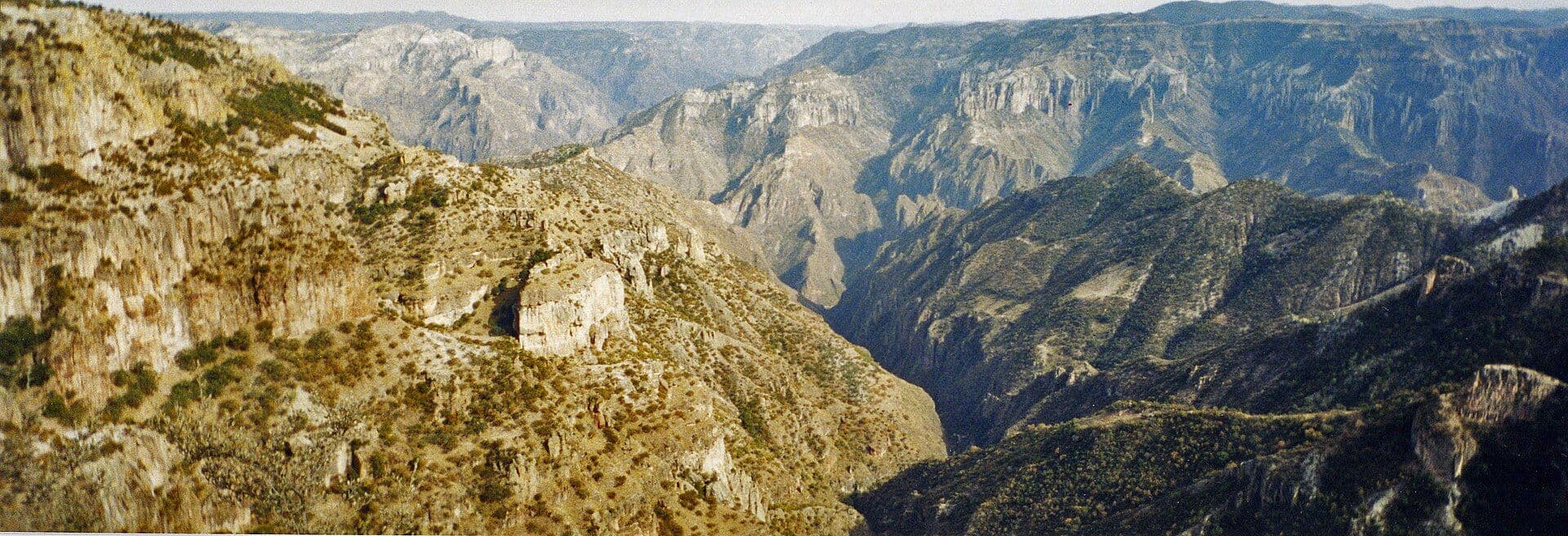
Copper Canyon: how Onorúame created the Rarámuri
In Mexico’s deepest canyons live the “light-footed” people. Their god made them from clay.
Extraordinary Places·Mexico
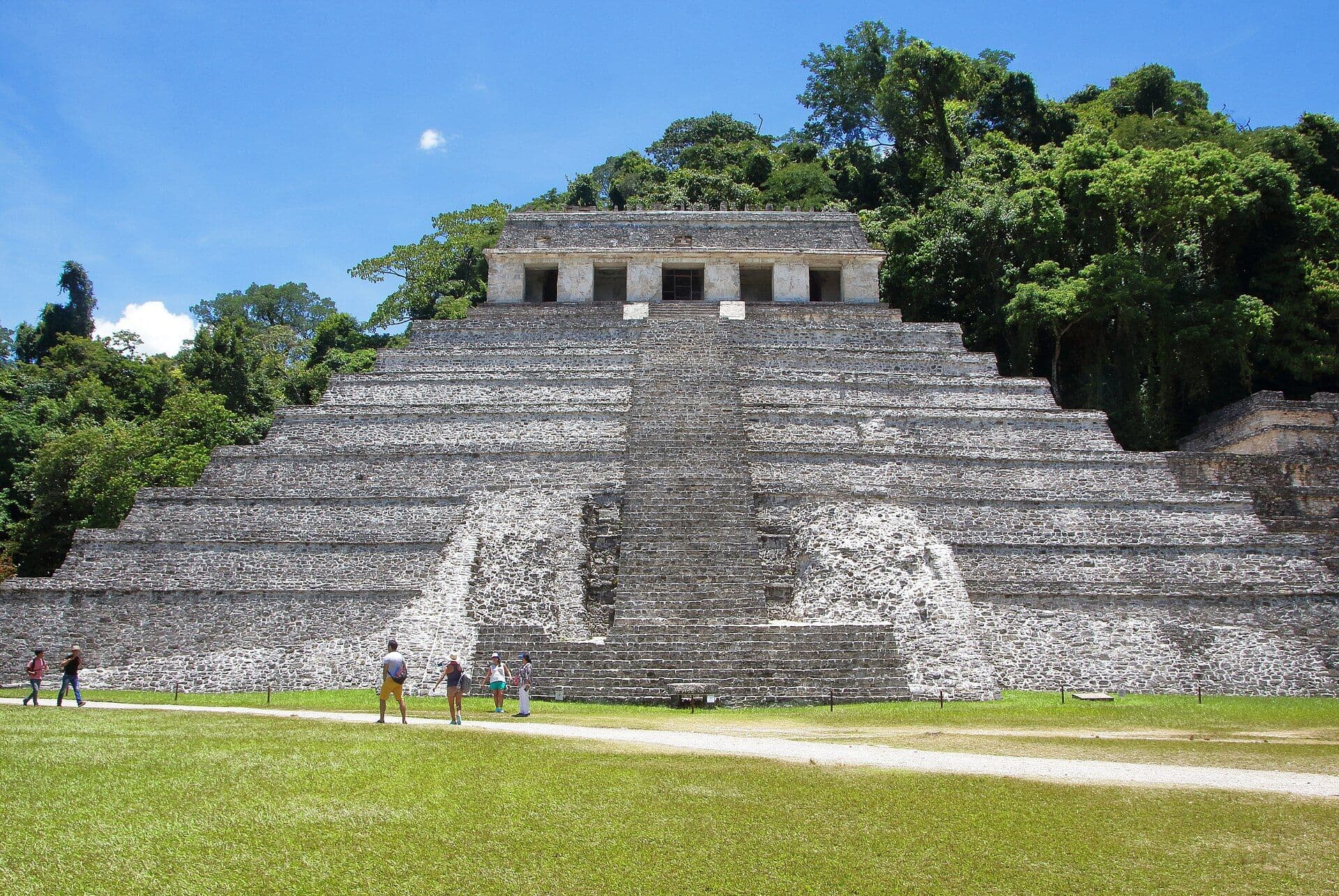
Palenque: Pakal, the king who went down to Xibalba (and was no astronaut)
In 1952 an archaeologist found a secret stairway inside a pyramid. At the bottom waited a Maya king, and his tomb lid sparked one of the most famous modern myths.