Teotihuacan: Nanahuatzin and the birth of the Fifth Sun
To set the sun moving again, a poor and sickly god threw himself into the fire. It happened here.
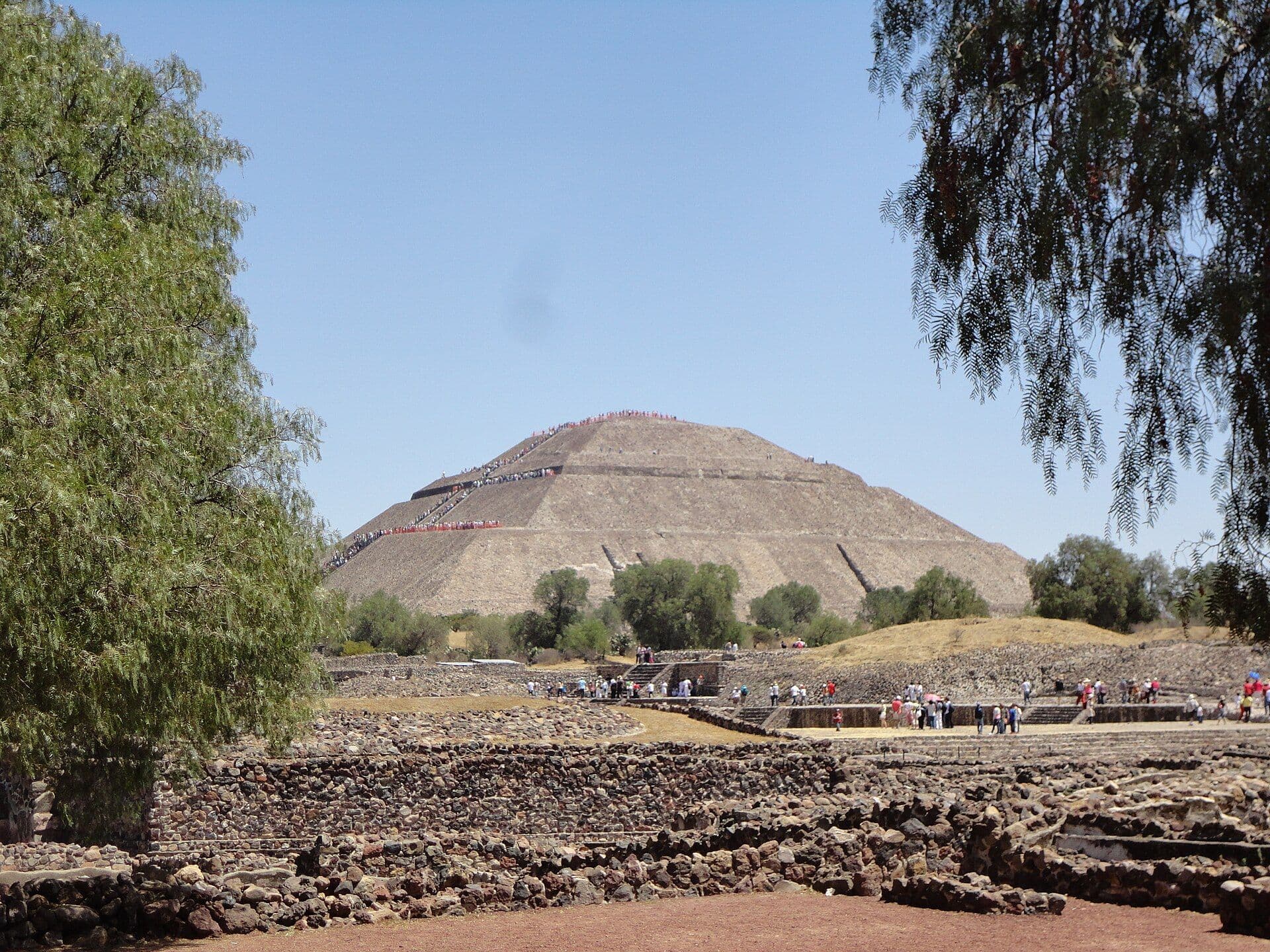
Teotihuacan was already in ruins when the Mexica arrived, centuries after its fall. Awed by its size, they called it “the place where the gods are made” and gave it a myth of their own: here was born the sun that lights our world, the Fifth Sun.
The legend
The world had had four suns, four ages, and all of them had ended in destruction. Everything was dark. The gods gathered at Teotihuacan and asked: who will take on the task of lighting the world?
Tecciztecatl, rich and proud, offered himself, with offerings of fine feathers, gold and precious stones. For the second place the gods chose Nanahuatzin, poor and covered in sores, who could only offer green reeds, balls of hay and the scabs of his wounds.
For four days they did penance beside a great bonfire. The moment came to throw themselves into the fire. Four times Tecciztecatl ran towards the flames, and four times he stopped, terrified. Then Nanahuatzin closed his eyes and leapt without hesitating. Ashamed, Tecciztecatl jumped after him.
Nanahuatzin rose in the east as the sun. Then Tecciztecatl appeared, just as bright. So that there would not be two suns, a god threw a rabbit in his face: that is why the moon shines less and bears the mark of a rabbit. But the sun did not move. To set it going, the gods sacrificed themselves, and the wind, Ehecatl, blew hard until the sun began its journey.
What is known about the city
Teotihuacan flourished roughly between 100 BC and AD 550 and became one of the largest cities in the world.
The names “Pyramid of the Sun”, “Pyramid of the Moon” and “Avenue of the Dead” are Mexica, given after the city’s fall. We do not know what its builders called them.
Versions of the myth differ in the number of suns and ages (the Legend of the Suns, from 1558, is a separate text).
Plan your visit
Practical notes for travelling there. Conditions, schedules and prices change: check before you go.
Good to know
- About 50 km from Mexico City. Arrive early.
- The Avenue of the Dead, the Pyramids of the Sun and the Moon, and the Temple of Quetzalcoatl.
- Hot-air balloon flights at sunrise.
Related stories

Nature & Geography·Mexico
The Tule Tree: the tree planted by the priest of the wind
The widest trunk in the world grows in a village in Oaxaca. The Zapotecs say a priest of Ehecatl planted it 1,400 years ago.
Peoples & Communities·Mexico
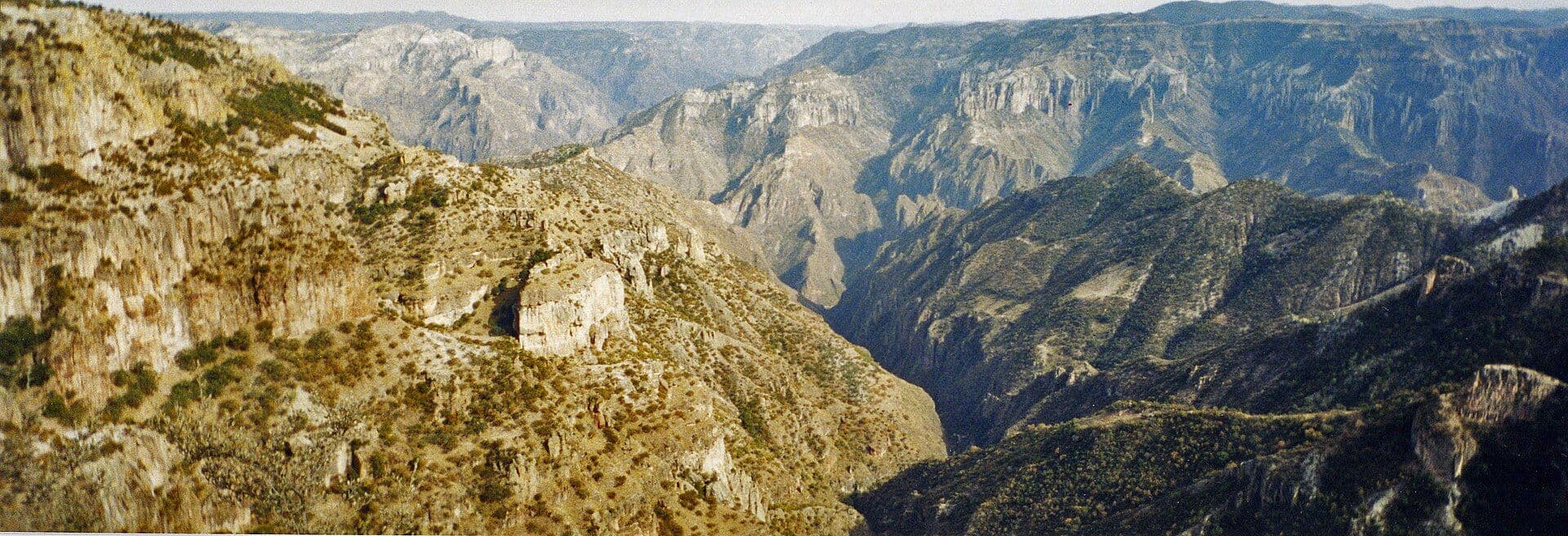
Copper Canyon: how Onorúame created the Rarámuri
In Mexico’s deepest canyons live the “light-footed” people. Their god made them from clay.
Extraordinary Places·Mexico
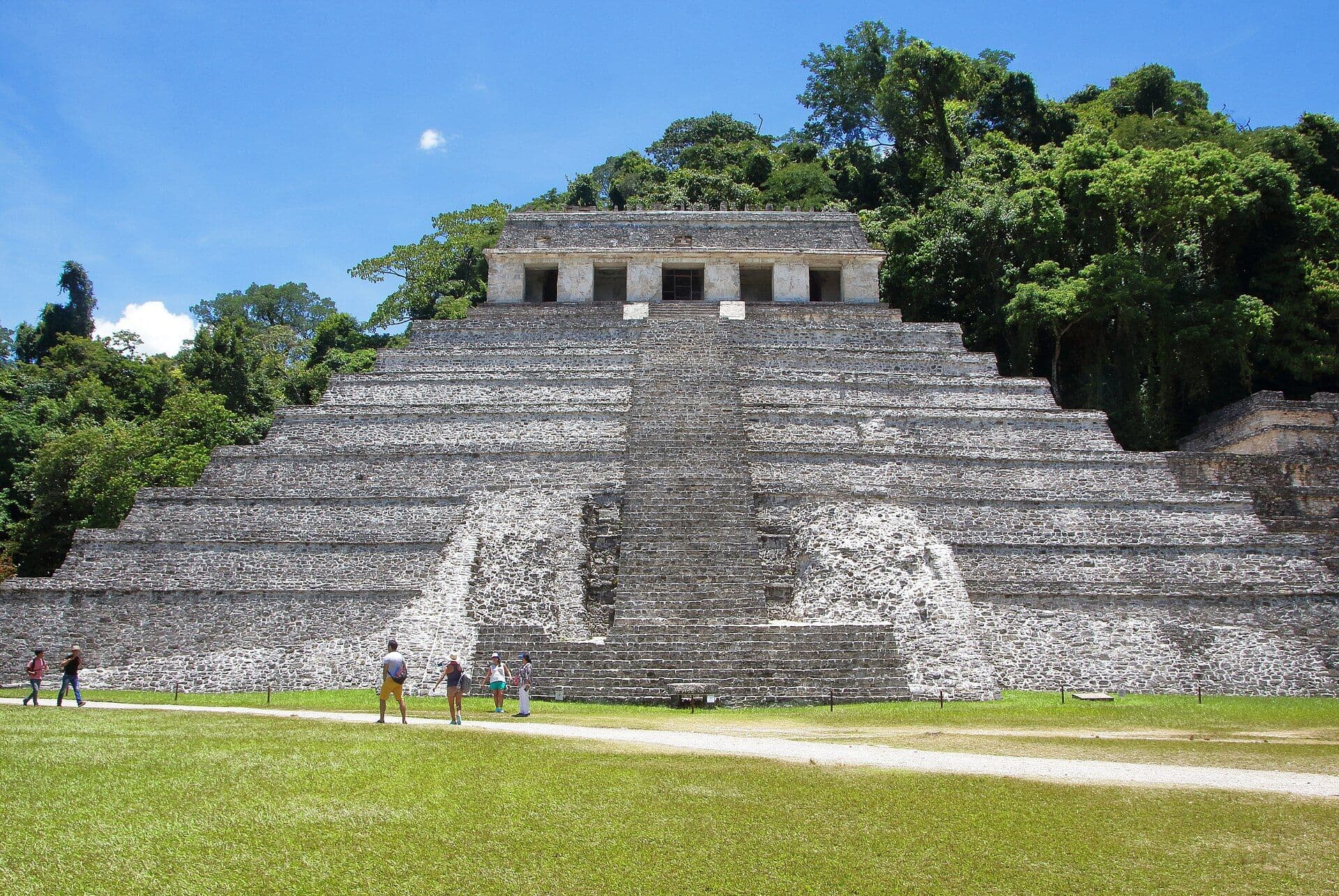
Palenque: Pakal, the king who went down to Xibalba (and was no astronaut)
In 1952 an archaeologist found a secret stairway inside a pyramid. At the bottom waited a Maya king, and his tomb lid sparked one of the most famous modern myths.