Easter Island: the dream of Hau Maka and the moai that walked
A spirit travelled in a dream to an island at the end of the world. Centuries later, the Rapanui say their statues walked.
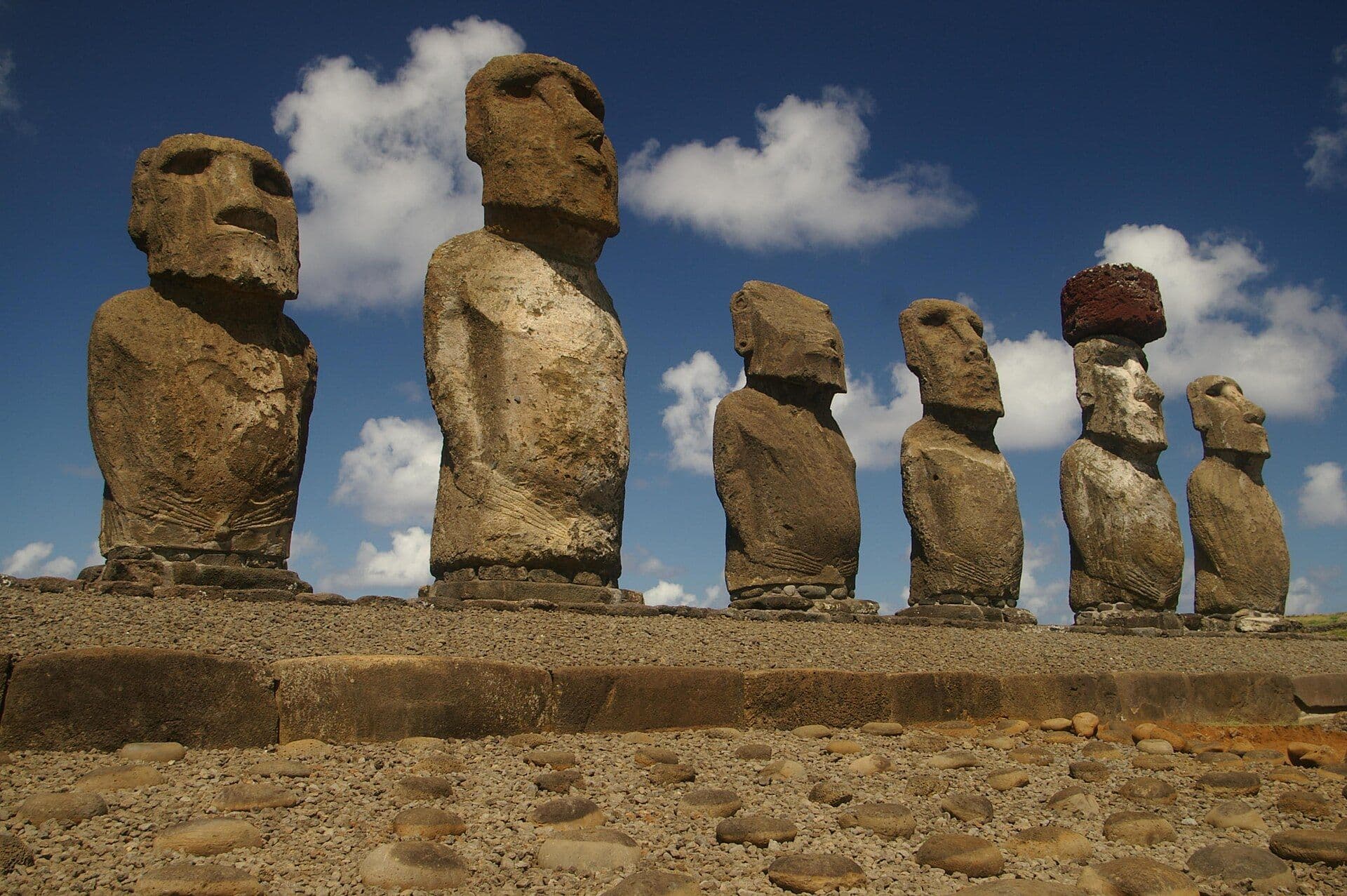
Rapa Nui (Easter Island, Chile) is one of the most isolated inhabited places on the planet. Its nearly one thousand moai are famous all over the world, but the story the Rapanui tell about their own origin is less well known — and science has just proved them right on one key point.
The dream of Hau Maka
In the homeland of Hiva, the spirit of Hau Maka, the king’s tattooist, travelled in a dream towards the rising sun. It passed several islands until it found a land of beaches and volcanoes, and named it Te Pito o te Kainga a Hau Maka, “the little piece of land of Hau Maka”. When he woke, he told his dream. King Hotu Matu’a sent seven explorers, and then set out himself in great canoes with his family and his people.
They landed on the beach of Anakena, where Hotu Matu’a founded the royal line (the Miru). The details change with the teller: which canoe arrived first, or how many people came. They are variants of an oral tradition.
The moai that walked
The Rapanui always said that the moai “walked” from the Rano Raraku quarry to their platforms, moved by mana, the spiritual power of the ancestors. For a long time this was treated as myth, and it was assumed they had been dragged on logs.
In 2013 the archaeologists Carl Lipo and Terry Hunt published experimental evidence in the Journal of Archaeological Science: with three ropes and a small team, a replica moai can be rocked from side to side and made to “walk” upright. The shape of the moai found along the ancient roads — a wide D-shaped base and a forward lean — fits that technique. In 2025 they answered their critics in the same journal. The debate continues, but oral tradition and archaeology now go hand in hand.
Plan your visit
Practical notes for travelling there. Conditions, schedules and prices change: check before you go.
Good to know
- Flights from Santiago (about five hours). Entry to Rapa Nui National Park (managed by the Ma’u Henua community) is compulsory, and several sites require a certified guide.
- Not to be missed: Rano Raraku, Ahu Tongariki at sunrise, Anakena beach and Orongo.
Related stories
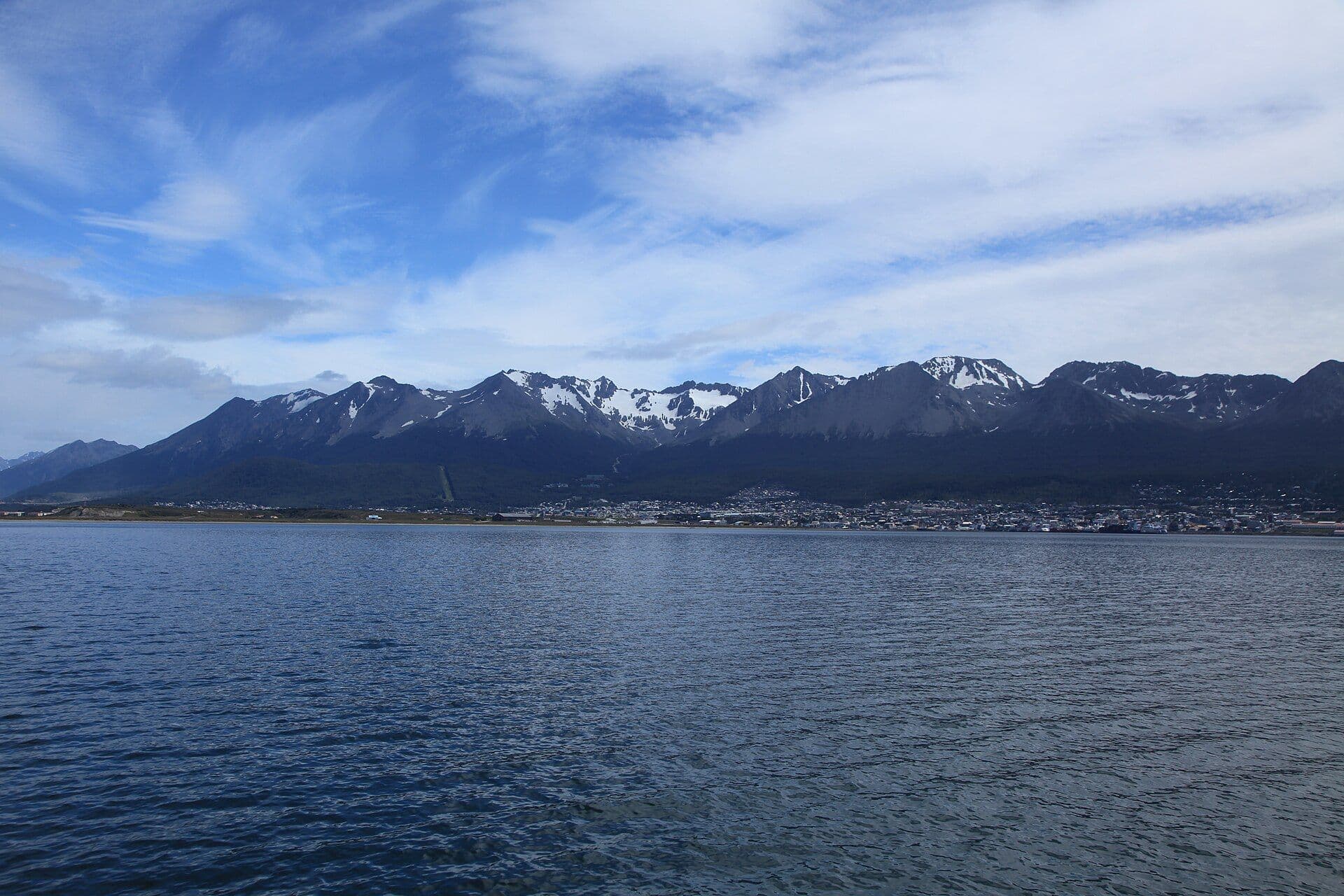
Peoples & Communities·Argentina
Tierra del Fuego: the Hain, the secret of the Selk’nam
At the end of the world, Selk’nam men painted their bodies and became spirits. It all began, they said, with a lie told by the women and a fight between the Sun and the Moon.
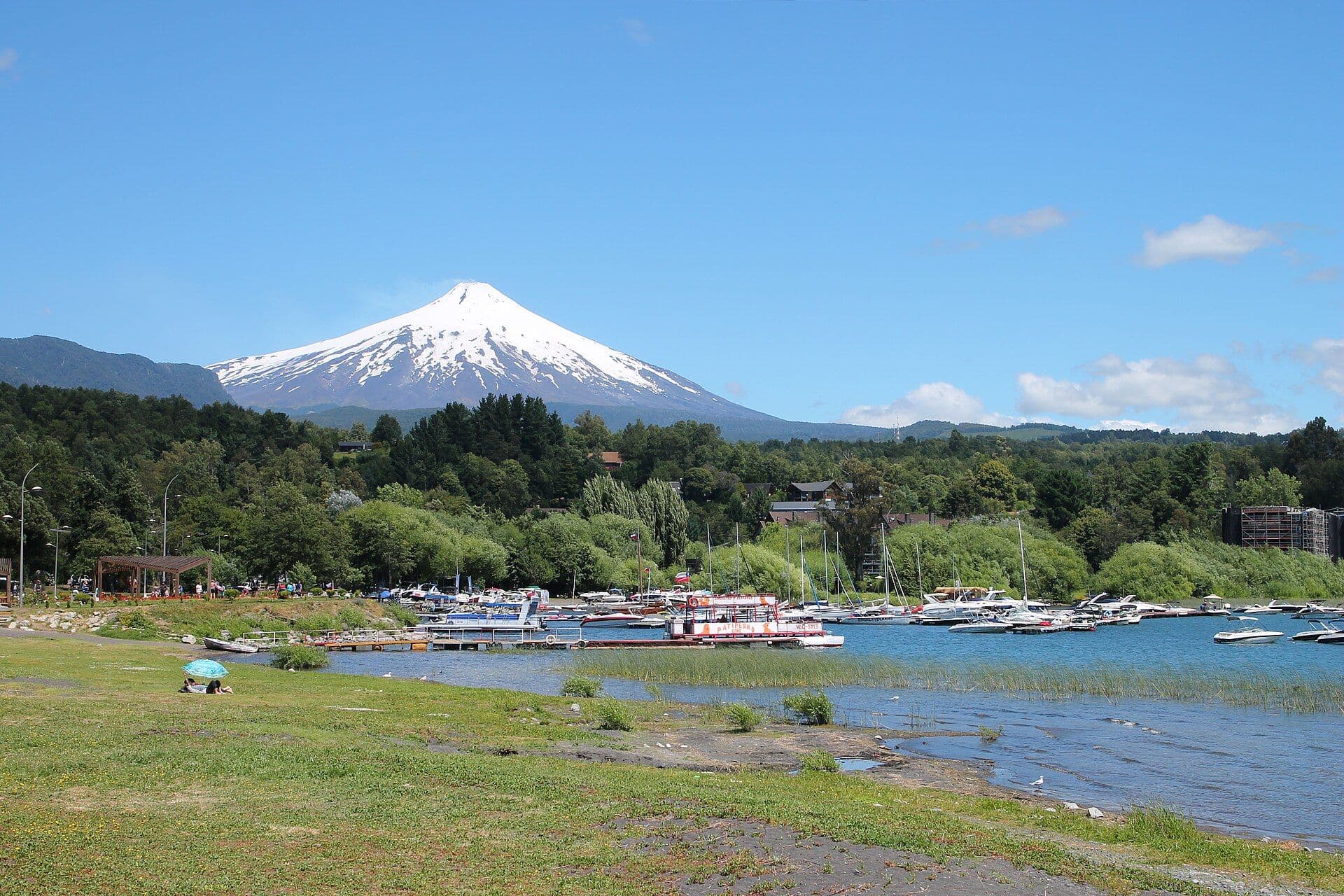
Nature & Geography·Chile
Pucón and Villarrica volcano: Rucapillán, the house of the spirits
For the Mapuche, the volcano that towers over Pucón is the home of the pillanes. And their land tells of a war between two serpents that almost drowned the world.
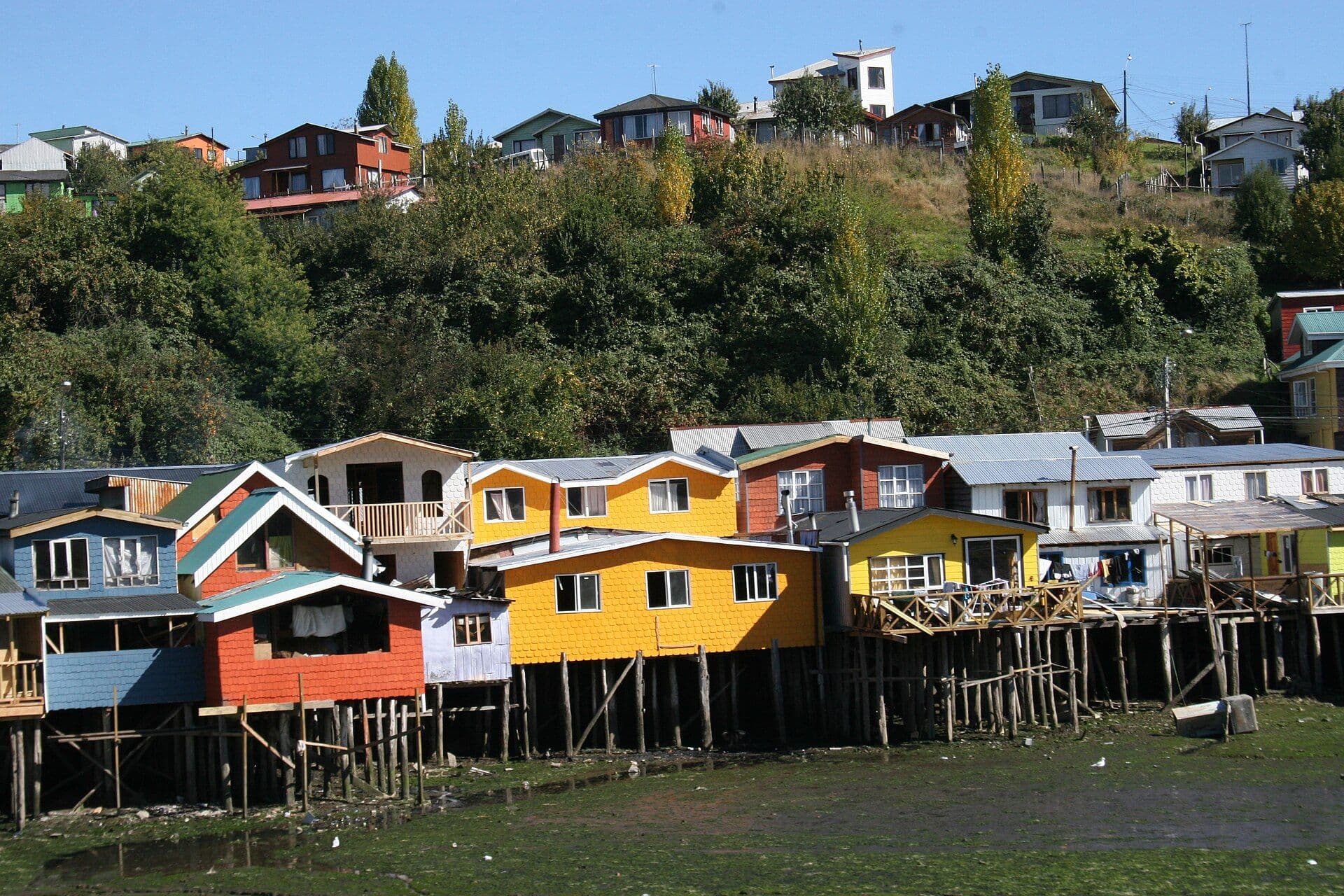
Extraordinary Places·Chile
Chiloé: the Caleuche, the ship that sails beneath the sea
Its crew are sorcerers, it turns into a rock if it is discovered, and an officer of the Chilean Navy wrote that he had seen it.