Chiloé: the Caleuche, the ship that sails beneath the sea
Its crew are sorcerers, it turns into a rock if it is discovered, and an officer of the Chilean Navy wrote that he had seen it.
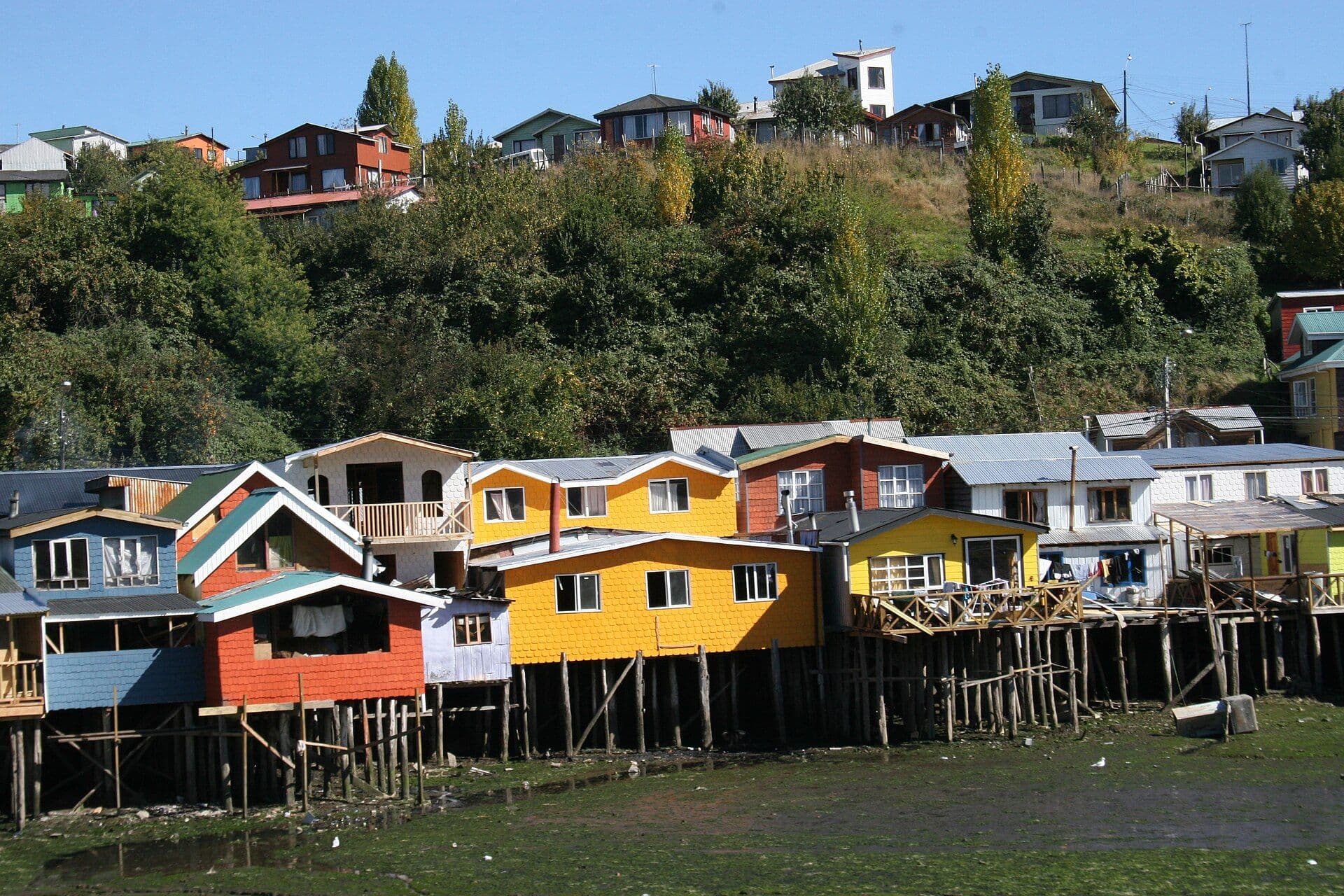
In the Chiloé archipelago, in southern Chile, foggy nights have a protagonist: the Caleuche, or “ship of art”, an illuminated vessel that sails beneath the sea and up the rivers, crewed by sorcerers. It is the heart of Chilote mythology, a blend of Huilliche and Spanish tradition.
The legend
The Caleuche travels the seas and rivers under the water. If someone takes it by surprise, it turns into a log or a rock, and its crew into sea lions or water birds. Its name is said to come from the Mapuche caleutun, “to change one’s condition”: people transformed.
In Chonchi people told of a boat that set out with several neighbours and a young man at the helm and never returned. When the father was told his son had drowned, he smiled. From that day on he began to grow rich, and at night, at the foot of his house, chains could be heard being let out: it was the Caleuche, leaving goods for him on the beach. His son was alive, on board.
What the Navy saw
In 1914 Francisco Cavada published a letter from the second commander of the patrol ship Huemul, Agustín Prat: at 3:45 in the morning, off Ancud, he saw two white lights “as if suspended in the air”, which separated and came together again and then disappeared towards Punta Ahui. The Revista Católica consulted sailors and naturalists, and no one could explain what they were.
Plan your visit
Practical notes for travelling there. Conditions, schedules and prices change: check before you go.
Good to know
- Ferry from Pargua to Chacao; stay in Ancud or Castro.
- Chiloé’s wooden churches (UNESCO World Heritage), the stilt houses of Castro, Chonchi and Chiloé National Park.
Related stories
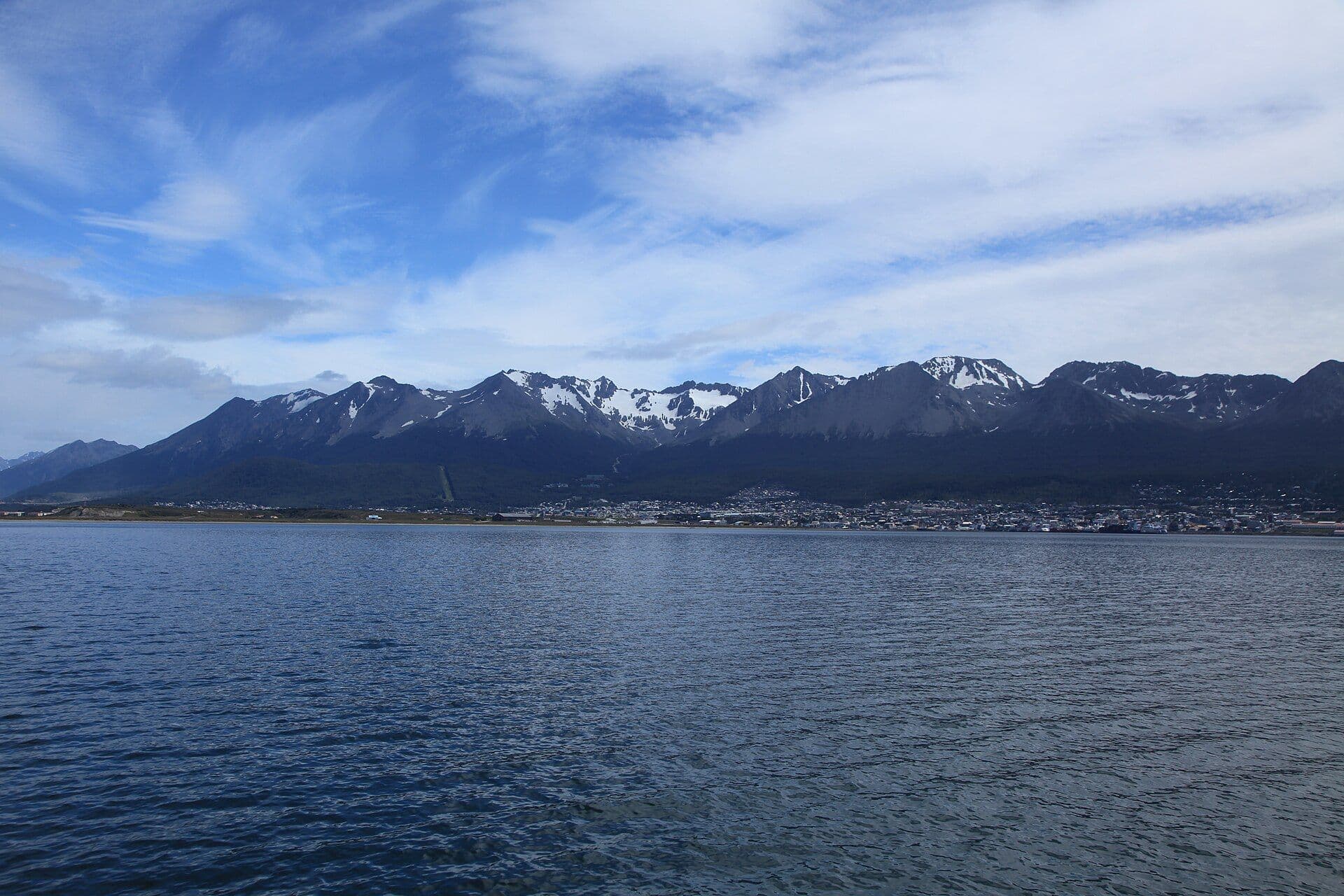
Peoples & Communities·Argentina
Tierra del Fuego: the Hain, the secret of the Selk’nam
At the end of the world, Selk’nam men painted their bodies and became spirits. It all began, they said, with a lie told by the women and a fight between the Sun and the Moon.
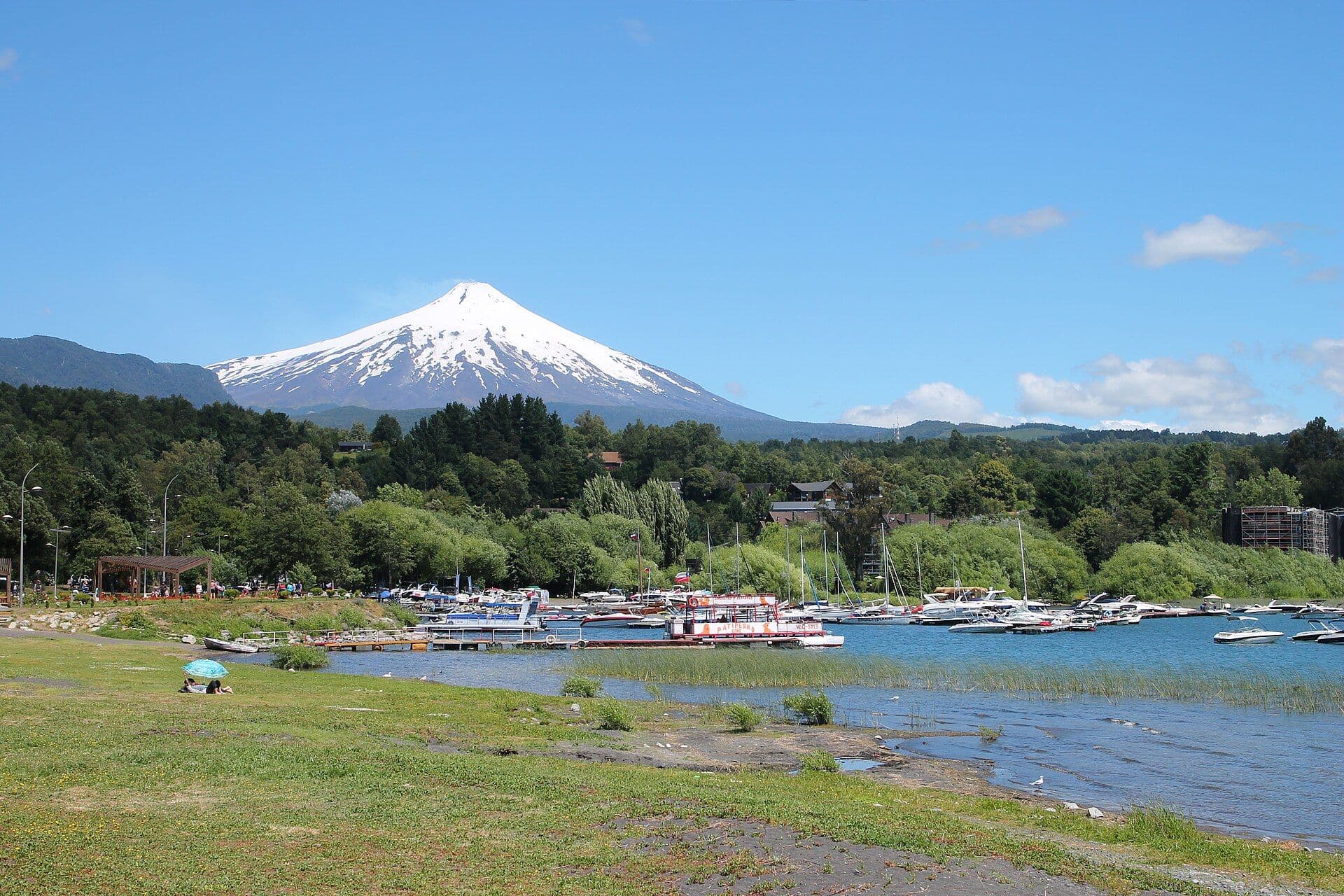
Nature & Geography·Chile
Pucón and Villarrica volcano: Rucapillán, the house of the spirits
For the Mapuche, the volcano that towers over Pucón is the home of the pillanes. And their land tells of a war between two serpents that almost drowned the world.
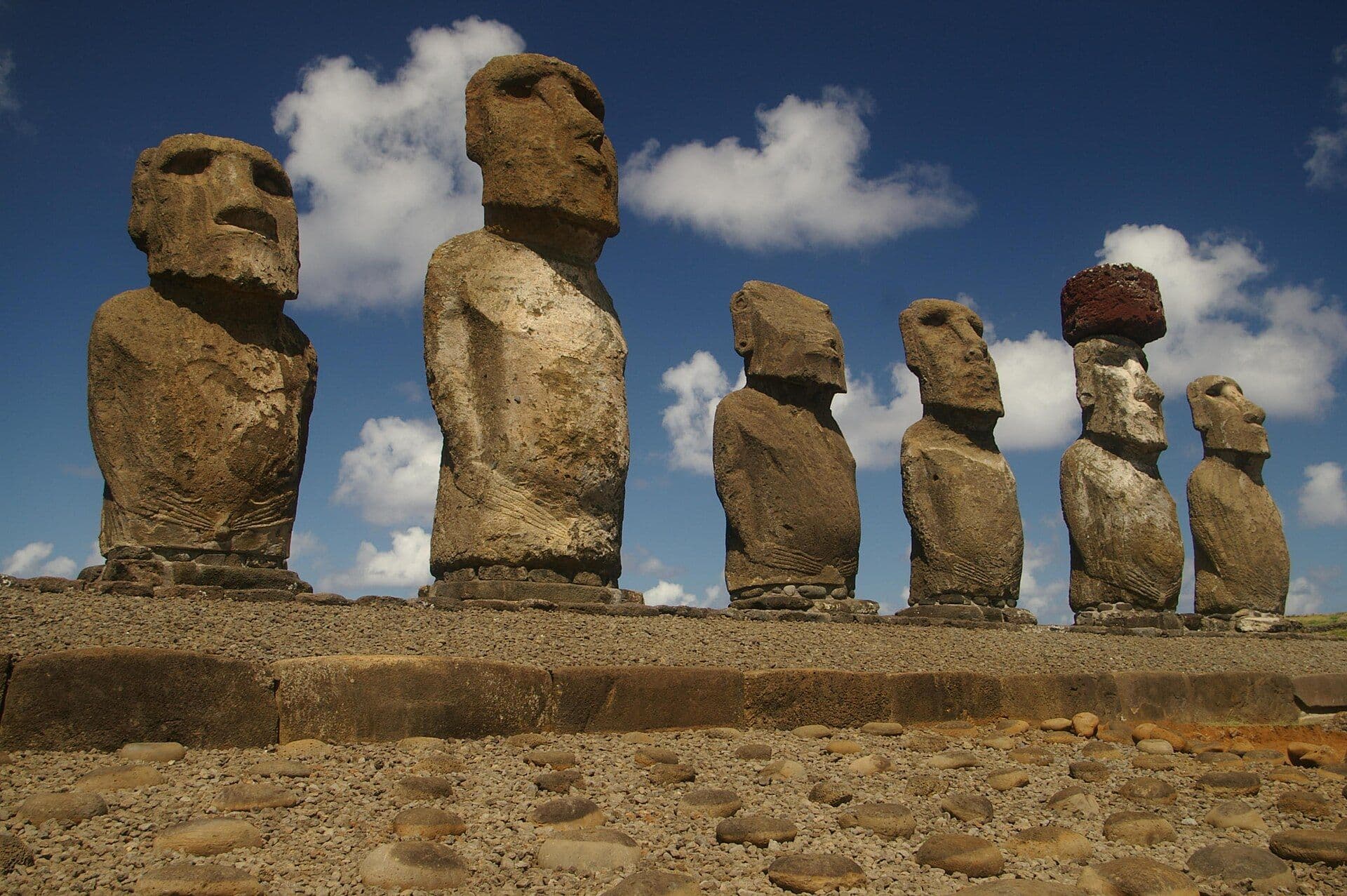
Extraordinary Places·Chile
Easter Island: the dream of Hau Maka and the moai that walked
A spirit travelled in a dream to an island at the end of the world. Centuries later, the Rapanui say their statues walked.